
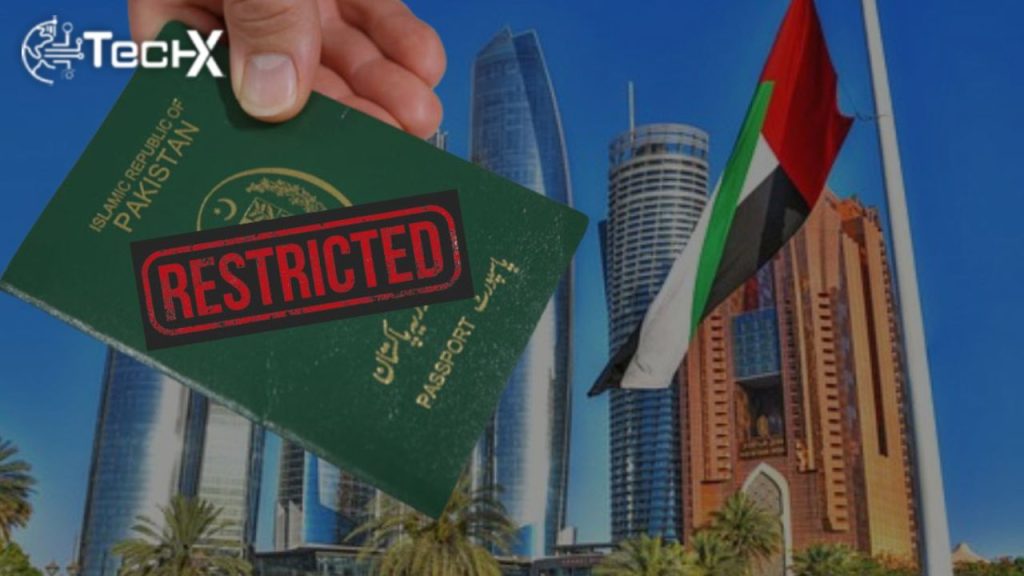
In recent months, a significant number of Pakistanis have traveled to the United Arab Emirates (UAE) despite ongoing visa restrictions. According to the Secretary of the Ministry of Overseas Pakistanis, 402,000 Pakistanis visited the Gulf country in the last four months. This surge highlights the easing of visa constraints and the growing demand for opportunities in the UAE.
Easing Visa Restrictions
The UAE has gradually relaxed visa restrictions for Pakistanis, allowing thousands to travel for work, tourism, and family visits. The Secretary informed the Senate Standing Committee on Overseas Pakistanis about this development, emphasizing the government’s efforts to address visa concerns. However, no formal meetings have yet taken place between the Pakistani embassy and UAE authorities to resolve lingering issues.
Government Efforts to Address Visa Concerns
The Pakistani government is actively working to facilitate smoother travel for its citizens. The embassy is engaging with UAE officials to streamline visa processes and reduce delays. Despite the absence of formal discussions, the recent increase in travel indicates progress. The Ministry of Overseas Pakistanis remains committed to resolving challenges faced by Pakistanis seeking opportunities abroad.
Profiling Overseas Pakistanis
In a significant move, the government has begun profiling 10 million overseas Pakistanis. This initiative aims to better understand the needs and challenges of the diaspora. By collecting data on their employment, living conditions, and contributions, the government hopes to create targeted policies to support overseas Pakistanis and strengthen their ties with the homeland.
Also Read: Saudi Arabia Introduces New Official Riyal Symbol
Tax Discussions on Mobile Phones
The Ministry of Overseas Pakistanis is also in talks with the Federal Board of Revenue (FBR) regarding taxes on mobile phones brought from abroad. Many overseas Pakistanis bring electronic devices as gifts or for personal use, and the government is working to establish a fair taxation system. This move aims to balance revenue generation with the convenience of travelers.
EOBI Registrations
The Secretary revealed that 10 million private-sector employees are registered with the Employees’ Old-Age Benefits Institution (EOBI). This registration ensures that workers receive pensions and other benefits upon retirement. The government is focused on expanding social security coverage to protect the rights and welfare of employees in the private sector.
Prisoner Transfer Agreements
Pakistan currently has prisoner transfer agreements only with Malaysia and Indonesia. These agreements allow for the repatriation of incarcerated citizens to serve their sentences in their home country. The government is exploring similar agreements with other nations to address the challenges faced by Pakistani prisoners abroad.
Overseas Employment Opportunities
South Korea has emerged as a popular destination for Pakistani workers seeking employment abroad. According to officials, 3,906 individuals from Lahore, 702 from Peshawar, 358 from Islamabad, 108 from Karachi, and 13 from Quetta have registered for jobs in South Korea. These opportunities provide a lifeline for many families and contribute to the country’s remittance inflows.
Community Welfare Attachés
To support overseas Pakistanis, 24 community welfare attachés are stationed in 19 countries with consular access. These officials assist Pakistanis with legal, financial, and social issues, ensuring their well-being abroad. The government is committed to expanding this network to provide better services to the diaspora.
Challenges and Opportunities
While the surge in travel to the UAE reflects positive developments, challenges remain. Visa restrictions, high travel costs, and bureaucratic hurdles continue to hinder many Pakistanis. However, the government’s efforts to address these issues and create new opportunities demonstrate a commitment to supporting its citizens abroad.
Conclusion
The recent increase in Pakistanis traveling to the UAE, despite visa restrictions, underscores the resilience and determination of the diaspora. With ongoing government efforts to address visa concerns, profile overseas Pakistanis, and create employment opportunities, the future looks promising. As Pakistan strengthens its ties with the UAE and other countries, the diaspora will continue to play a vital role in the nation’s development.