
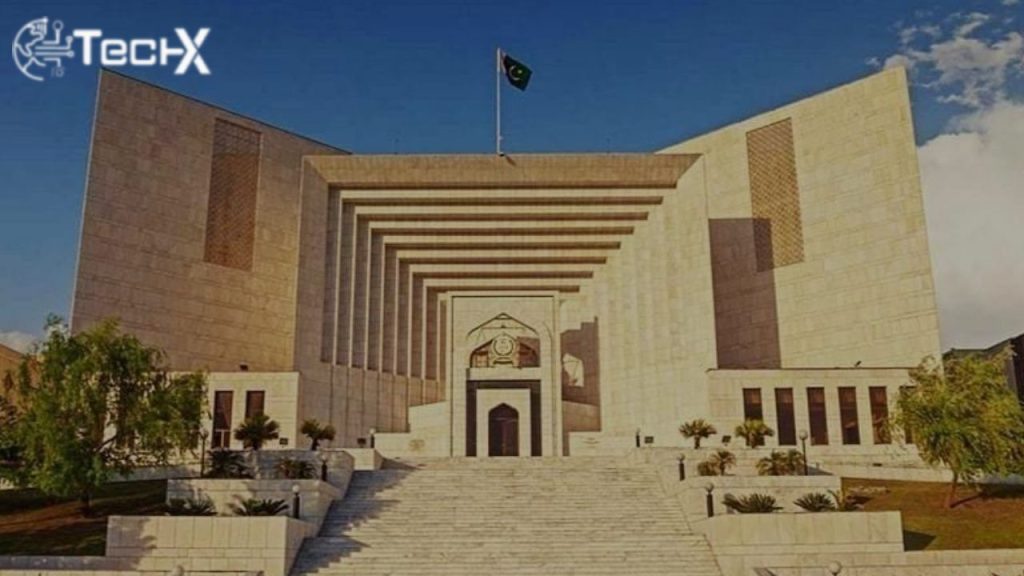
The Supreme Court of Pakistan has delivered a historic verdict, affirming that a divorced daughter’s right to her late father’s pension cannot be denied based on marital status. The court ruled that pension entitlement is a legal right, not charity, and divorce, whether before or after the father’s death, does not affect eligibility. This judgment sets a progressive precedent for gender equality in inheritance rights.
Pension as a Legal Right, Not Charity
Justice Ayesha Malik, in her 10-page verdict, clarified that a pension is a government employee’s legal right, not a discretionary benefit. Upon death, this right transfers to eligible heirs, and any delay violates the law. The court emphasized that denying a divorced daughter her rightful share undermines constitutional principles. The ruling reinforces that financial security is a matter of entitlement, not benevolence.
Sindh Government’s Discriminatory Policy Struck Down
The Supreme Court annulled a 2022 Sindh government circular that excluded daughters divorced after their father’s death from pension benefits. The judgment declared the policy unconstitutional, violating Articles 9, 14, 25, and 27 of the Constitution. The court highlighted that such discrimination contradicts Pakistan’s international commitments to gender equality, urging authorities to align policies with constitutional guarantees.
Pakistan’s Gender Equality Gap Criticized
The verdict lamented Pakistan’s poor performance on global gender equality indices despite ratifying international treaties. The court stressed that outdated policies perpetuate discrimination, depriving women of their rightful financial security. By striking down the discriminatory rule, the judiciary has taken a significant step toward ensuring equal rights for daughters, regardless of marital status.
Also Read: Chinese Firms Seek Licences to Legally Export Donkey Meat from Pakistan
Case Background: Surah Fatima’s Legal Battle
The case was initiated by Surah Fatima, a divorced daughter seeking her late father’s pension. The Sindh High Court’s Larkana Bench ruled in her favor, but the provincial government appealed. The state argued that only daughters divorced before the father’s death should qualify. However, the Supreme Court rejected this reasoning, reinforcing that marital status cannot dictate entitlement.
Supreme Court Upholds High Court’s Decision
Dismissing the Sindh government’s appeal, the apex court upheld the High Court’s ruling. The bench reiterated that pensions are constitutional entitlements, not favors. Imposing marital conditions violates fundamental rights, the judgment stated. This decision ensures that divorced daughters cannot be arbitrarily excluded from pension benefits, marking a victory for gender justice.
Constitutional and International Obligations Emphasized
The judgment underscored that Pakistan’s Constitution and international commitments mandate equal treatment. Discriminatory pension policies contravene constitutional protections of life, dignity, and non-discrimination. The court urged lawmakers to reform laws that hinder women’s financial rights, aligning them with constitutional and global equality standards.
Implications for Future Gender-Equity Cases
This ruling sets a crucial precedent for future cases involving women’s inheritance and financial rights. By rejecting marital status as a criterion, the judiciary has reinforced that gender cannot justify unequal treatment. The verdict empowers divorced daughters to claim their lawful share, promoting a more equitable interpretation of pension laws.
Conclusion: A Step Toward Gender Justice
The Supreme Court’s judgment is a milestone in Pakistan’s legal landscape, affirming that divorced daughters have an undeniable right to their father’s pension. By striking down discriminatory policies, the court has championed constitutional equality. This decision not only benefits Surah Fatima but also paves the way for a fairer, more just society where women’s rights are upheld without prejudice.