
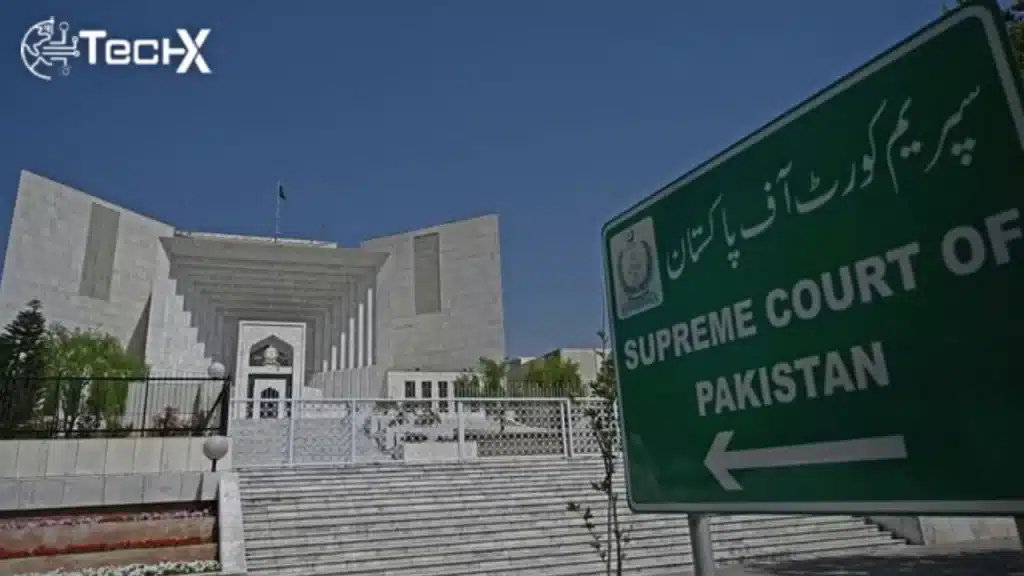
In a significant move to tackle case backlogs, the Chief Justice of Pakistan has shortened the Supreme Court’s summer vacation. Using powers under Rule 4 of Order II of the Supreme Court Rules, 1980, the vacation will now commence on Monday, 16th June 2025. The Court will resume regular functioning on Monday, 8th September 2025, ensuring minimal disruption to judicial processes.
Judges Directed to Limit Leave to One Month
To expedite case resolutions, judges have been instructed to take only one month of summer leave. They must communicate their leave dates in advance. This measure aims to balance judicial workload while allowing necessary breaks. By regulating leave periods, the Court ensures consistent case hearings, reducing delays that contribute to the growing backlog of pending cases.
Flexible Work Arrangements for Judges
Judges must also specify fifteen days during which they will work remotely from a location of their choice. The remaining leave period must be spent at the Principal Seat in Islamabad. This flexible approach maintains judicial productivity while accommodating personal schedules. It ensures that essential court functions continue even during the traditional recess period.
Also Read: PIA Issues Travel Advisory Amid Rising Tensions With India
Special Provisions for Constitutional Bench Judges
Judges serving on the Constitutional Bench face additional restrictions. Their one-month vacation will depend on ongoing constitutional proceedings. If required, their leave may be adjusted to prioritize critical cases. This highlights the Court’s commitment to resolving constitutional matters promptly, reinforcing judicial efficiency and accountability.
Ensuring Continuous Access to Justice
The reduced vacation period underscores the Supreme Court’s dedication to uninterrupted justice delivery. By minimizing recess duration, the Court addresses public concerns over case delays. This proactive step strengthens public trust in the judiciary, demonstrating responsiveness to the urgent need for timely legal resolutions.
Strengthening Institutional Responsiveness
The decision reflects a broader effort to enhance judicial efficiency. Traditional summer breaks often slow case progress, worsening backlogs. By limiting vacations, the Court ensures continuous operations, aligning with modern judicial demands. This reform sets a precedent for other courts to adopt similar measures, improving overall legal system performance.
Balancing Judicial Workload and Well-being
While reducing vacations increases productivity, the Court also considers judges’ well-being. Allowing flexible workstations and regulated leave periods prevents burnout. This balanced approach maintains judicial efficiency without compromising the health and effectiveness of the judiciary’s key stakeholders.
Public and Legal Community Reactions
The decision has garnered mixed reactions. Legal experts commend the move for addressing case delays, while some judges may find it restrictive. However, the overall consensus supports prioritizing justice delivery over extended breaks. Public opinion favors faster case resolutions, reinforcing the judiciary’s role in upholding citizens’ rights.
Conclusion: A Step Toward Judicial Reform
The Supreme Court’s decision marks a crucial step in judicial reform. By reducing summer vacations, the Court demonstrates its commitment to efficiency and accessibility. This measure, alongside flexible work policies, ensures justice remains uninterrupted, setting a benchmark for future reforms. The move reaffirms the judiciary’s role as a pillar of democracy, responsive to societal needs.