
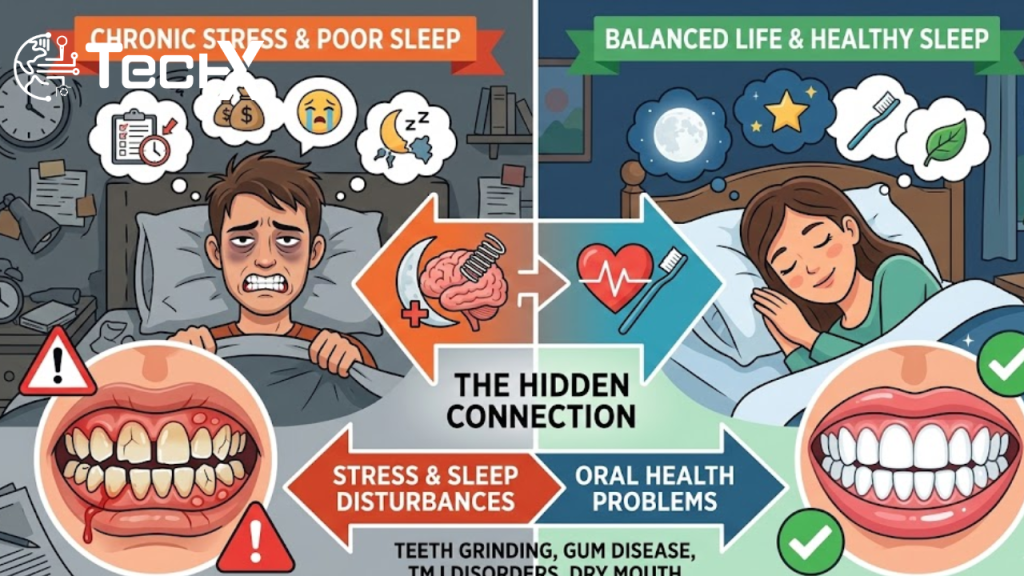
Modern life places enormous pressure on both mental and physical well-being. Work deadlines, financial concerns, academic demands, and constant digital stimulation often lead to chronic stress and poor sleep — two factors that quietly but significantly affect oral health.
Many people are unaware that stress and oral health are deeply interconnected. Persistent psychological strain and sleep disturbances can trigger a cascade of dental problems, from teeth grinding to gum disease and jaw disorders.
Understanding this hidden connection can help prevent long-term damage and protect both your smile and overall health.
How Stress Affects the Mouth and Teeth
Stress activates the body’s “fight or flight” response, releasing hormones such as cortisol and adrenaline. When this state becomes chronic, it weakens the immune system and alters normal bodily functions including those in the oral cavity.
Common stress related dental issues include:
- Teeth grinding (bruxism)
- Jaw pain and stiffness
- Gum inflammation
- Mouth ulcers
- Dry mouth
- Poor oral hygiene habits
These effects often develop gradually and may go unnoticed until symptoms become severe.
Teeth Grinding: The Silent Damage During Sleep
One of the most common consequences of stress is bruxism — unconscious clenching or grinding of teeth, especially at night.
Over time, grinding can cause:
- Worn or flattened teeth
- Cracked enamel
- Increased sensitivity
- Jaw muscle pain
- Headaches, especially in the morning
- Damage to dental restorations
Because it occurs during sleep, many individuals are unaware of the habit until a dentist identifies the signs.
Poor Sleep Intensifies Oral Problems
Sleep deprivation itself is harmful to oral health. During deep sleep, the body repairs tissues, regulates hormones, and supports immune function.
Inadequate sleep can lead to:
- Increased inflammation
- Higher susceptibility to infections
- Reduced saliva production
- Delayed healing
- Greater perception of pain
When combined with stress, the negative effects multiply.
Dry Mouth: A Hidden Risk Factor
Stress and certain medications used for anxiety or sleep disorders can reduce saliva flow.
Saliva plays a crucial protective role by:
- Neutralizing acids
- Washing away food particles
- Controlling bacteria
- Supporting remineralization of enamel
Reduced saliva increases the risk of cavities, gum disease, and bad breath.
Gum Disease and Chronic Stress
Research suggests that prolonged stress can worsen periodontal health by impairing immune response and promoting inflammation.
Stressed individuals may also:
- Neglect oral hygiene routines
- Consume sugary comfort foods
- Smoke or use tobacco
- Delay dental visits
These behaviors significantly increase the risk of gum disease progression.
If symptoms such as bleeding gums or persistent bad breath appear, consulting a qualified dentist in Peshawar can help detect early periodontal problems before irreversible damage occurs.
Jaw Disorders Linked to Stress
Clenching and grinding place excessive pressure on the temporomandibular joint (TMJ), which connects the jaw to the skull.
TMJ dysfunction may cause:
- Clicking or popping sounds
- Difficulty opening the mouth
- Facial pain
- Ear discomfort
- Neck and shoulder tension
- Headaches
Without treatment, symptoms can worsen and affect daily activities such as eating and speaking.
Lifestyle Changes That Harm Teeth During Stress
Stress often leads to coping behaviors that further damage oral health, including:
- Increased caffeine intake
- Consumption of sugary snacks
- Smoking or chewing tobacco
- Alcohol use
- Nail biting or chewing hard objects
These habits compound the biological effects of stress.
Warning Signs You Should Not Ignore
Seek dental evaluation if you notice:
- Morning jaw pain or stiffness
- Frequent headaches
- Tooth sensitivity without obvious cause
- Cracked or worn teeth
- Mouth sores that persist
- Dry mouth
- Changes in bite
Early detection prevents more complex treatment later.
For comprehensive assessment and management, visiting a reputable dental clinic in Peshawar ensures access to modern diagnostic tools and preventive care.
How to Protect Your Oral Health During Stressful Periods
- Maintain Consistent Oral Hygiene
Even during busy or difficult times:
- Brush twice daily with fluoride toothpaste
- Floss at least once daily
- Replace toothbrush regularly
Routine habits provide essential protection.
- Improve Sleep Quality
Healthy sleep supports both immune function and oral tissue repair.
Helpful strategies include:
- Maintaining a regular sleep schedule
- Limiting screen time before bed
- Avoiding caffeine late in the day
- Creating a calm sleep environment
- Stay Hydrated
Drinking sufficient water helps counteract dry mouth and supports saliva production.
- Manage Stress Effectively
Techniques such as exercise, mindfulness, breathing exercises, or counseling can reduce the physiological impact of stress.
- Consider Protective Dental Devices
For individuals who grind their teeth, dentists may recommend custom night guards to protect enamel and relieve jaw strain.
Consulting the best dentist in Peshawar can help determine whether such appliances are necessary.
The Importance of Regular Dental Checkups
Routine dental visits are crucial for identifying stress-related oral issues early. Dentists can detect subtle signs that patients may overlook, including enamel wear patterns and gum changes.
Preventive care may include:
- Professional cleaning
- Fluoride treatments
- Bite assessment
- Monitoring for TMJ problems
- Personalized advice
Regular monitoring is especially important for individuals with chronic stress or sleep disorders.
Final Thoughts
Stress and sleep disturbances affect far more than mental well-being they can quietly undermine oral health and lead to serious dental complications over time.
Recognizing the connection between stress and oral health empowers individuals to take proactive steps. Maintaining good hygiene, managing stress, improving sleep quality, and seeking regular dental care can prevent long-term damage and preserve a healthy smile.
Protecting your mental health ultimately helps protect your teeth as well.