
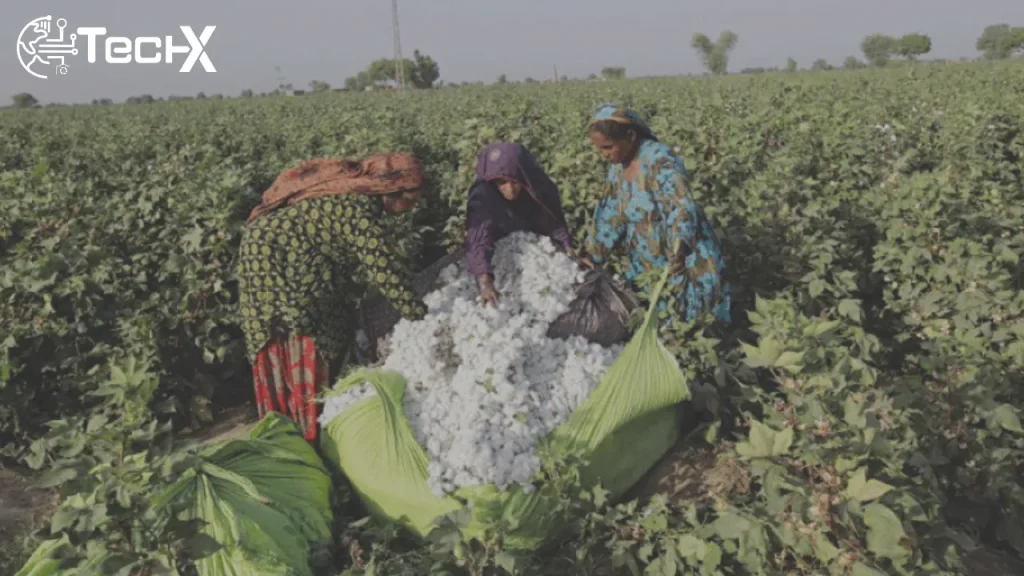
Pakistan’s national cotton arrivals have reached 5.3 million bales so far this season, according to data released by the Pakistan Cotton Ginners’ Association PCGA This figure shows a decline of 1.23 per cent compared to the same period last year. The latest numbers clearly show a change in the cotton landscape, with Sindh improving its share. At the same time, Punjab continues to face production pressure across key farming regions nationwide this season overall.
Sindh Leads with Higher Arrivals
As of December 15, Sindh supplied 2.85 million bales to ginning factories, which is higher than last year’s 2.77 million bales. This steady rise reflects better late-season performance, improved crop conditions and more vigorous picking activity. Industry sources say Sindh’s late-season momentum is helping stabilise national cotton supplies at a time when overall production remains under pressure from declining output elsewhere across the country.
Strong District Performance in Sindh
Sanghar remained the top cotton-producing district in Sindh, contributing around 1.25 million bales this season. Other districts also recorded strong growth. Nawabshah saw arrivals jump by more than 56 per cent, while Mirpur Khas posted an increase of nearly 25 per cent. These gains highlight improved recovery in several cotton belts and show how Sindh is compensating for losses seen in other regions of Pakistan during the ongoing season.
Also Read: Foreign Nationals Arrested in Karachi DHA Amid Large Scale Investor Fraud Investigation
Punjab Records Sharp Decline
Punjab reported cotton arrivals of 2.45 million bales, a 5.42 per cent decline from last year. The steepest drop was recorded in Lodhran, where arrivals fell by more than 74 per cent. Traditional cotton areas like Bahawalpur and Multan also saw notable declines. However, some recovery was observed in Dera Ghazi Khan and Rajanpur, offering limited relief but not enough to offset overall losses in the province.
Market Stocks and Season Outlook
PCGA data shows that 4.67 million bales have already been sold nationwide with textile mills purchasing 4.49 million bales Unsold stocks stand at 0.64 million bales slightly higher than last year Currently 309 ginning factories are operational Industry stakeholders are closely watching whether Sindh’s stronger output can balance Punjab’s continued decline as the remaining cotton season progresses and planning for future crops becomes more critical than ever.