
Karachi has always been the heartbeat of Pakistan’s economy, a city where roads carry stories and neighbourhoods reflect decades of growth, struggle, and hope. In a major step toward renewing this historic metropolis, Sindh Chief Minister Murad Ali Shah has approved the Karachi Transformation Plan, a large-scale development initiative aimed at bringing world-class urban standards to the city. The plan promises better roads, smoother traffic, improved connectivity, and a cleaner, more organised urban landscape.
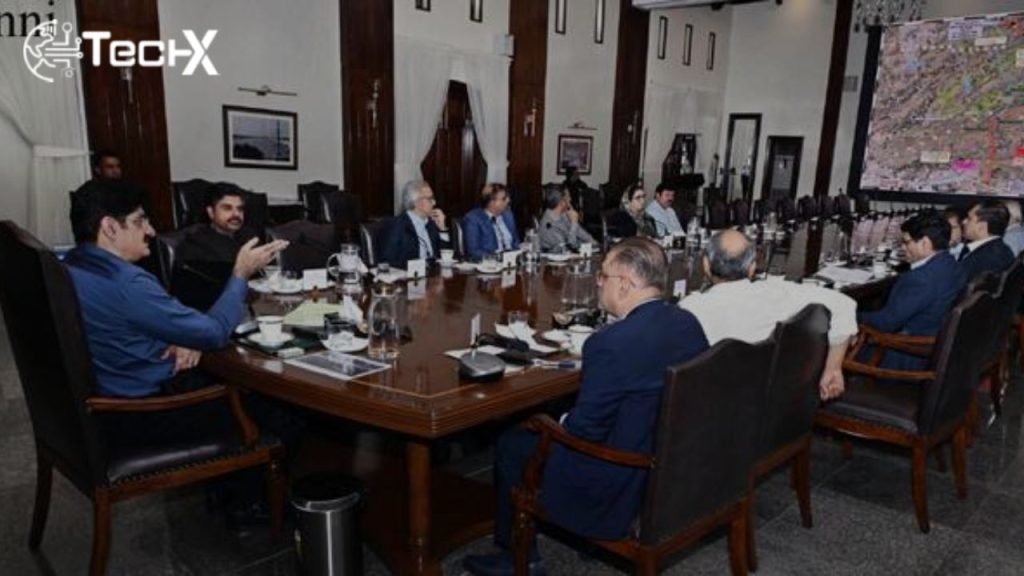
Approved during a high-level meeting at the Chief Minister’s House, the plan reflects a blend of traditional governance responsibility and a forward-looking vision for modern urban living. The government aims to reshape Karachi not overnight, but through steady, well-planned development rooted in quality and transparency.
High-Level Meeting and Key Participants
The approval came during a joint meeting chaired by CM Murad Ali Shah and attended by senior provincial and city officials. The presence of both administrative leaders and technical experts showed the seriousness of the plan.
Officials Present at the Meeting
The meeting brought together leadership from across Sindh’s governance structure, ensuring coordination at every level.
| Role | Name |
|---|---|
| Chief Minister, Sindh | Murad Ali Shah |
| Minister for Local Government | Nasir Hussain Shah |
| Chief Secretary | Asif Haider Shah |
| Mayor, Karachi | Murtaza Wahab |
| Principal Secretary to CM | Agha Wasif |
| Commissioner Karachi | Hassan Naqvi |
| DG, FWO | Major General Abdul Sami |
The Frontier Works Organisation (FWO) was invited as a key partner, reflecting the government’s intent to rely on experienced institutions for large infrastructure work.
Financial Backbone of the Transformation Plan
At the heart of the Karachi Transformation Plan lies strong financial backing. CM Shah approved a one-time grant-in-aid of Rs. 84.796 billion to fund development across the city. In addition, Rs26.282 billion has been allocated for Karachi-related projects under the Federal Public Sector Development Programme.
Funding Breakdown
These funds are designed to touch almost every corner of the city, from major highways to neighbourhood roads.
| Funding Source | Amount (Rs billion) | Purpose |
|---|---|---|
| Sindh Government Grant | 84.796 | 523 city-wide development schemes |
| FPSDP Allocation | 26.282 | Karachi-specific federal projects |
| Priority Projects | 10.72 | Immediate infrastructure upgrades |
This financial commitment signals that Karachi’s development is no longer piecemeal but part of a unified, long-term vision.
Partnership with FWO for Quality and Speed
CM Murad Ali Shah emphasised that major projects would be executed in collaboration with the FWO. This partnership aims to ensure three core principles: quality, speed, and transparency. According to the chief minister, Karachi deserves development on par with the world’s best cities.
The idea is simple yet powerful. Build once, build well, and build for generations. By adhering to international design and construction standards, the government hopes to avoid costly repairs and ensure long-lasting infrastructure.
Priority Infrastructure Projects in Karachi
To address urgent urban problems, six priority projects have been identified in the Karachi Division. These projects focus mainly on traffic congestion, connectivity, and smoother urban mobility.
Key Priority Projects
| Project | Area | Purpose |
|---|---|---|
| Road rehabilitation | M-9 to Malir-15 via Jinnah Ave & Shahrah-e-Faisal | Improve city entry and exit routes |
| Right-turn underpass | Malir Halt to Shahrah-e-Faisal | Reduce traffic bottlenecks |
| Flyover | Airport Road to Star Gate | Ease airport-bound traffic |
| Road rehabilitation | Y-Junction to Machli Chowk, Hawkes Bay | Improve coastal connectivity |
| Damaged road restoration | Masroor Base to Truck Stand | Support logistics and defence routes |
| Flyover | Sohrab Goth | Improve inter-district traffic flow |
Among these, the Sohrab Goth flyover, costing Rs5 billion, holds special importance as it serves as a gateway for traffic coming from other districts into Karachi.
Addressing Karachi’s Long-Standing Urban Challenges
During the briefing, Local Government Minister Nasir Hussain Shah and Mayor Murtaza Wahab highlighted the deep-rooted structural and environmental challenges Karachi faces. Years of rapid population growth have stretched roads, drainage systems, and public spaces beyond their limits.
Identified Development Schemes
Out of 10 to 12 major schemes identified, five have already received initial approval. These schemes focus on practical improvements rather than cosmetic fixes.
| Area of Work | Planned Improvements |
|---|---|
| Roads | Rehabilitation of damaged streets |
| Traffic | Modern traffic management systems |
| Connectivity | Restoration of major arteries |
| Infrastructure | Flyovers and underpasses |
| Public Spaces | Parks and road beautification |
Seven key roads will also undergo beautification, blending functionality with visual appeal, a reminder that cities should serve both movement and human comfort.
Role of City Institutions in Implementation
Implementation will be carried out through coordinated efforts of multiple city and provincial bodies. These include the Karachi Metropolitan Corporation (KMC), Karachi Development Authority (KDA), Karachi Mega Schemes, and other city government departments.
Mayor Murtaza Wahab noted that all projects were finalised after field verification, departmental assessments, and stakeholder consultations. This approach ensures that development reflects real ground needs rather than paper plans.
Vision for Connectivity and Urban Flow
One of the main goals of the Karachi Transformation Plan is to reduce congestion and improve connectivity, especially to critical points like the airport and inter-district routes. Improved logistics routes will not only ease daily commuting but also strengthen Karachi’s role as a commercial hub.
In many ways, the plan respects the city’s old paths while widening them for the future, allowing commerce, people, and ideas to move freely once again.
Thar Coal Railway Project and Port Connectivity
Alongside Karachi’s urban projects, CM Shah is also overseeing major energy and transport infrastructure in Sindh. Provincial Secretary for Energy Shahab Qamar Ansari, along with senior officials, inspected progress on the railway line linking Thar coalmines to Port Qasim.
Railway Project Overview
| Feature | Details |
|---|---|
| Railway Length | 105 km (Thar to Bin Qasim) |
| Extension | 9 km (Bin Qasim to Port Qasim) |
| Key Facility | Dedicated coal unloading terminal |
| Total Cost | Rs90 billion |
| Funding Split | 50% Sindh, 50% Federal |
The Sindh government has already released Rs6.61 billion as its share. This railway line will integrate the Thar coalfields with the national railway network, ensuring smooth movement of coal for power generation and industry.
A City Looking Ahead
The Karachi Transformation Plan is more than a collection of projects. It is a promise to restore balance between growth and livability. With strong funding, experienced partners, and careful planning, the government aims to guide Karachi toward a future that honours its past while embracing modern urban standards.
Like an old city renewing its foundations, Karachi stands at a turning point. If implemented with the same care and commitment shown in planning, this transformation could mark the beginning of a calmer, cleaner, and more connected chapter in the city’s long and storied life.