
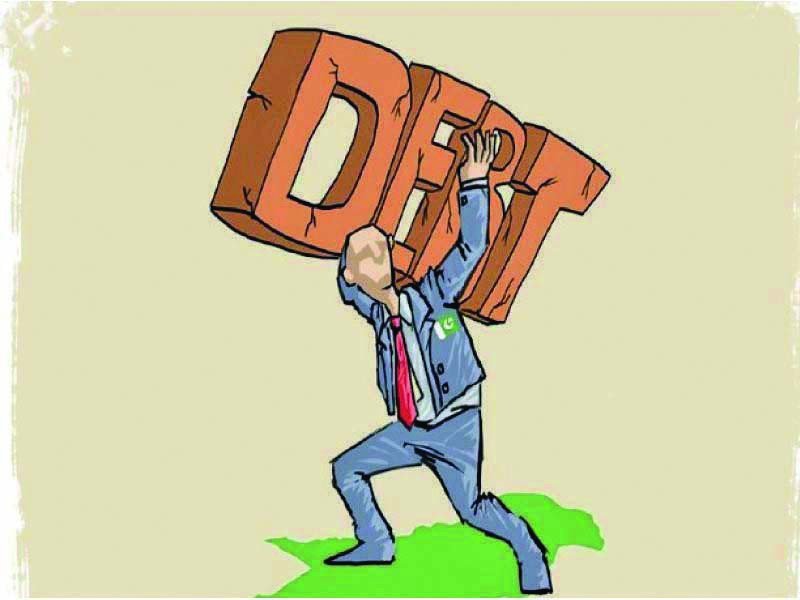
According to a fiscal policy statement issued to the National Assembly by the Ministry of Finance, each Pakistani citizen now owes Rs. 179,070 in debt.
The per-person debt load reached Rs. 179,070 at the end of FY 2021, according to the Fiscal Policy Statement 2021-22. When the existing administration took power in 2018, it was Rs. 120,099, a rise of 49% over the previous three years.
As required by the Fiscal Responsibility and Debt Limitation Act of 2005, the Budget Wing of the Finance Ministry formulates and presents a Fiscal Policy Statement to the National Assembly each year.
Finance specialists have labeled the current policy statement as self-contradictory, claiming that the Finance Ministry intentionally withheld essential information from policymakers, undermining the spirit of the law, which calls for a rational explanation of key fiscal data.
Furthermore, the economy’s size increased to Rs. 55.5 trillion at the end of FY 2021-2022, up from Rs. 47.7 trillion at the end of FY 2020-21.
In terms of key indicators, the budget deficit and debt-to-GDP ratios improved in FY 2021-2022, but tax-to-GDP and revenue-to-GDP ratios dropped.
According to statistics, the total debt and public debt situation worsened during the current Pakistan Tehreek-e-Insaf (PTI) government’s tenure.
To read our blog on “COVID-19 has destroyed all economic gains, SBP,” click here.