
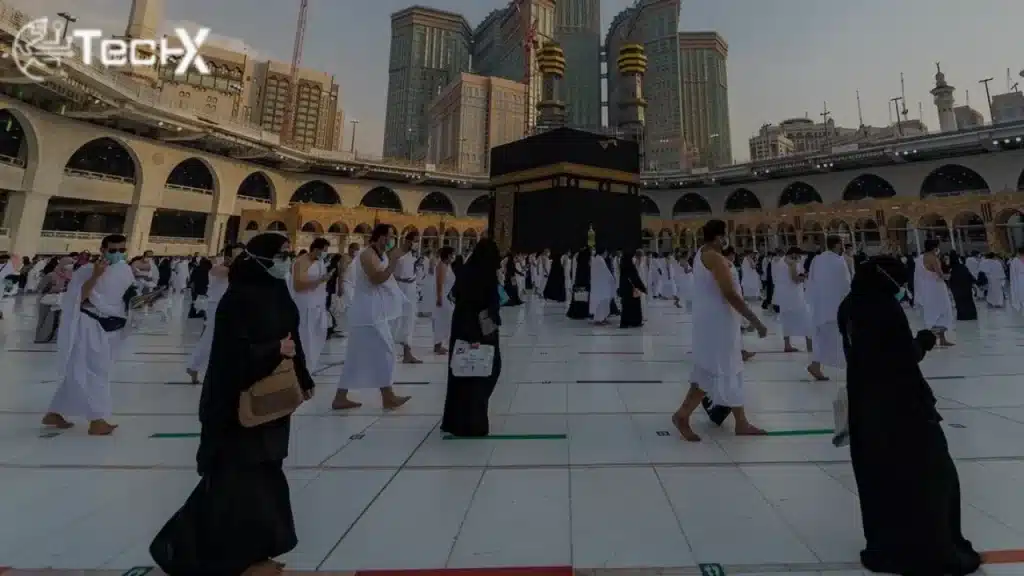
Saudi Arabia has abolished the rule requiring women to have a mahram (male guardian) for Hajj. This historic change allows women to perform Hajj independently, marking significant progress in gender equality. The decision empowers female pilgrims, offering them greater freedom in fulfilling their religious duties. Many Muslim women worldwide welcome this move, as it removes a major barrier to their spiritual journey.
Pakistan’s Religious Affairs Minister Announces the Update
Pakistan’s Religious Affairs Minister, Sardar Muhammad Yousaf, confirmed the policy shift. He highlighted Saudi Arabia’s commitment to improving Hajj accessibility. The minister also discussed Pakistan’s Hajj preparations, emphasizing smoother processes for pilgrims. This announcement reassures women who previously faced challenges due to the mahram requirement. The change aligns with Saudi Arabia’s Vision 2030 reforms, promoting inclusivity in religious practices.
Installment Plans to Ease Financial Burden
Starting in 2026, Pakistan will introduce Hajj payment installments to ease financial strain. Many families struggle with the pilgrimage’s high costs, and this initiative will help them budget effectively. The minister stressed that flexible payment options will enable more people to perform the Hajj. This step ensures that financial constraints do not hinder anyone’s spiritual journey, making the pilgrimage more accessible.
Enhanced Facilities for Pakistani Pilgrims
Pakistani pilgrims will benefit from improved facilities, including air-conditioned tents in Arafat. These upgrades ensure comfort during the demanding rituals. Minister Yousaf praised Saudi Arabia’s efforts in enhancing pilgrim services annually. Better accommodations reflect the strong collaboration between both nations. Such improvements demonstrate Saudi Arabia’s dedication to providing a seamless Hajj experience for all visitors.
Also Read: NADRA Karachi Center Closed for Two Weeks
Strong Pakistan-Saudi Arabia Partnership
The minister commended the growing cooperation between Pakistan and Saudi Arabia in Hajj operations. Both countries work closely to streamline procedures and enhance pilgrim welfare. This partnership has led to better transportation, lodging, and medical facilities. The mutual commitment ensures Pakistani pilgrims receive top-tier services, reinforcing trust in the Hajj process. Continued collaboration promises further advancements in future pilgrimages.
Over 455,000 Pakistanis Registered for Hajj
More than 455,000 Pakistanis have already registered for the upcoming Hajj season. The high demand reflects the deep spiritual significance of the pilgrimage. To accommodate more applicants, Pakistan is drafting a new Hajj policy. The government also anticipates an increased quota from Saudi Arabia, potentially raising it to 255,000 pilgrims. This expansion will help more faithful fulfill their religious obligations.
New Hajj Policy in the Works
Pakistan is preparing a revised Hajj policy to address growing pilgrim numbers. The updated framework aims to simplify registration, improve logistics, and ensure transparency. Minister Yousaf emphasized the need for an efficient system to handle the surge in applicants. The policy will also incorporate feedback from past pilgrims to enhance future experiences. These reforms align with Saudi Arabia’s efforts to modernize Hajj management.
Expected Increase in Pakistan’s Hajj Quota
Pakistan hopes Saudi Arabia will raise its Hajj quota to 255,000 pilgrims next year. A higher quota will allow more Pakistanis to perform Hajj without long waiting periods. The government is negotiating with Saudi authorities to secure this increase. If approved, it will be a significant relief for thousands of aspiring pilgrims. This step underscores Saudi Arabia’s support for Pakistan’s Hajj aspirations.
A Step Towards Inclusive Pilgrimage
The removal of the mahram rule and financial flexibility make Hajj more inclusive. Women, in particular, gain independence in their spiritual journey. These reforms align with global trends of empowering female travelers. Saudi Arabia’s progressive policies set a new standard for religious tourism. The changes ensure that Hajj remains accessible to all, regardless of gender or financial status.
Conclusion: A New Era for Hajj Pilgrims
Saudi Arabia’s decision to end the mahram rule marks a transformative moment for female pilgrims. Combined with Pakistan’s installment plans and improved facilities, these changes enhance Hajj accessibility. The strong Pakistan-Saudi partnership further ensures a smooth pilgrimage experience. As more reforms unfold, Hajj will become easier and safer for millions, fulfilling dreams of spiritual fulfillment worldwide.