
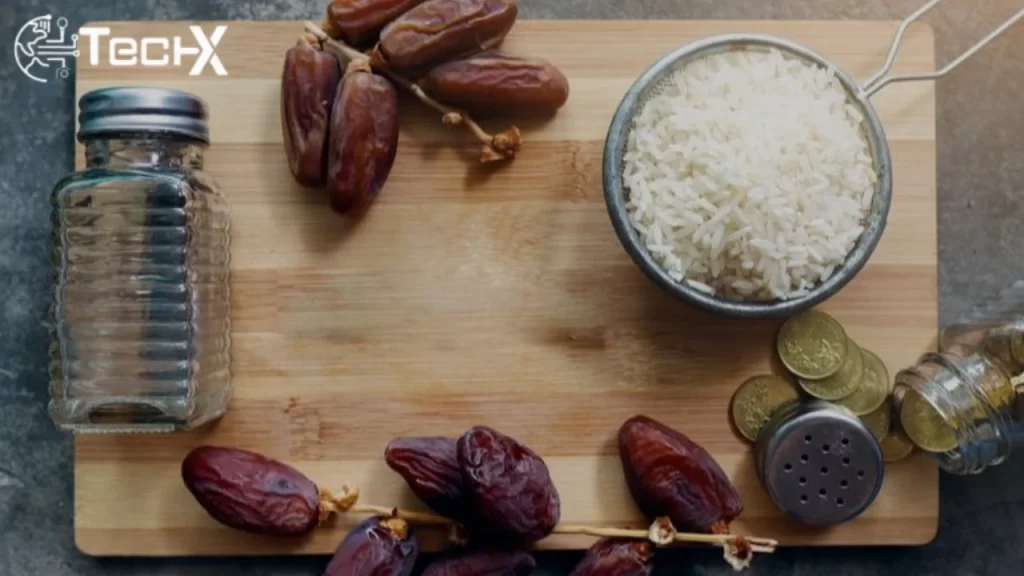
Sadqa-e-Fitr, commonly known as Fitrana, is a form of charity given by Muslims at the end of the holy month of Ramadan, before the Eid-ul-Fitr prayer. It is an essential act of worship that purifies the fasting person and ensures the poor can celebrate Eid with dignity.
The Prophet Muhammad (PBUH) emphasized its importance in two authentic hadith:
1. Hadith from Sahih Bukhari:
عَنِ ابْنِ عُمَرَ رَضِيَ اللَّهُ عَنْهُمَا قَالَ: «فَرَضَ رَسُولُ اللَّهِ صَلَّى اللَّهُ عَلَيْهِ وَسَلَّمَ زَكَاةَ الْفِطْرِ صَاعًا مِنْ تَمْرٍ، أَوْ صَاعًا مِنْ شَعِيرٍ، عَلَى الْعَبْدِ وَالْحُرِّ، وَالذَّكَرِ وَالْأُنْثَى، وَالصَّغِيرِ وَالْكَبِيرِ مِنَ الْمُسْلِمِينَ، وَأَمَرَ بِهَا أَنْ تُؤَدَّى قَبْلَ خُرُوجِ النَّاسِ إِلَى الصَّلَاةِ».
(صحيح البخاري ١٥٠٣)Translation:
“The Messenger of Allah (PBUH) made Zakat al-Fitr obligatory—one Sa’a of dates or barley—upon every Muslim, whether slave or free, male or female, young or old. He ordered that it be given before people go out for Eid prayer.”
2. Hadith from Sunan Ibn Majah:
عَنْ عَبْدِ اللَّهِ بْنِ عَبَّاسٍ رَضِيَ اللَّهُ عَنْهُمَا قَالَ: قَالَ رَسُولُ اللَّهِ صَلَّى اللَّهُ عَلَيْهِ وَسَلَّمَ: «فَرَضَ رَسُولُ اللَّهِ صَلَّى اللَّهُ عَلَيْهِ وَسَلَّمَ زَكَاةَ الْفِطْرِ طُهْرَةً لِلصَّائِمِ مِنَ اللَّغْوِ وَالرَّفَثِ، وَطُعْمَةً لِلْمَسَاكِينِ، فَمَنْ أَدَّاهَا قَبْلَ الصَّلَاةِ فَهِيَ زَكَاةٌ مَقْبُولَةٌ، وَمَنْ أَدَّاهَا بَعْدَ الصَّلَاةِ فَهِيَ صَدَقَةٌ مِنَ الصَّدَقَاتِ».
(سنن ابن ماجه ١٨٢٧)Translation:
“The Prophet (PBUH) ordained Zakat al-Fitr to purify the fasting person from vain speech and indecent talk, and to feed the poor. Whoever pays it before Eid prayer, it is accepted as Zakat, and whoever pays it afterward, it is counted as ordinary charity.”
Who Must Pay Fitrana?
Fitrana is obligatory (Wajib) for every Muslim who possesses the Nisab (minimum wealth threshold). This includes:
- All Muslims (men, women, children through guardians)
- Those with enough food beyond their daily needs
Also Read: What is Zakat and Its History
Amount and Payment Method
The traditional measure is one Sa’a (approx. 2.5–3 kg) of staple food, such as:
- Wheat
- Barley
- Dates
- Raisins
- Rice
Modern Practice: Many pay the equivalent cash value based on local prices.
When to Pay?
- Best time: Between sunset on the last day of Ramadan and before Eid prayer
- Late payment: If missed before Eid, it should still be given as a makeup charity.
Recipients of Fitrana
Fitrana is given to:
- The poor & needy
- Those in debt
- Struggling families
- Islamic welfare organizations
Benefits of Fitrana
- Purifies fasting from mistakes and shortcomings.
- Helps the poor celebrate Eid with dignity.
- Strengthens community bonds through shared responsibility.
Conclusion
Sadqa-e-Fitr is not just charity, it is a religious duty that completes Ramadan’s blessings. By fulfilling it, Muslims purify their fast, spread joy, and uphold social justice.
May Allah accept our fasting, charity, and good deeds. Ameen!