
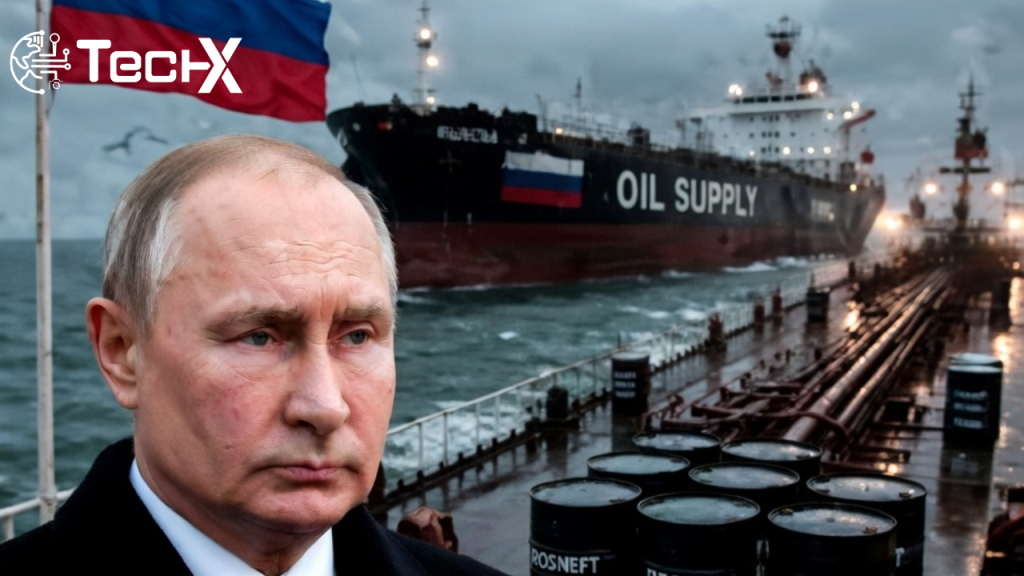
On March 27, 2026, Russian Deputy Prime Minister Alexander Novak instructed the Energy Ministry to draft a resolution banning gasoline exports from April 1, 2026, until July 31, 2026. The move was officially confirmed by the Russian government and reported by the state-run TASS news agency.
Duration and Scope of the Ban
The export restriction will remain in effect for four months, covering the period from April through July. It specifically targets refined gasoline, while Russia’s crude oil exports continue as normal.
Reason Behind the Ban
Novak cited global oil market turmoil and significant price fluctuations caused by the Middle East crisis as a major factor behind the decision. At the same time, he noted that the high demand for Russian energy in international markets remains strong.
Domestic Fuel Supply Considerations
The ban is also intended to stabilize domestic gasoline supply. Several regions in Russia, as well as Russian-controlled areas of Ukraine, reported fuel shortages last year due to Ukraine’s attacks on oil refineries and a seasonal rise in domestic demand.
Impact on Global and Domestic Markets
The ban is expected to influence global petrol prices temporarily, as Russia exported nearly 5 million metric tons of gasoline last year (about 117,000 barrels per day). Domestically, it may help manage fuel prices and prevent shortages during the ban period.
Russia History of Export Curbs
Russia has previously imposed similar restrictions on gasoline and diesel exports to control rising fuel prices and tackle shortages. Despite the ban, crude oil processing volumes remain stable, ensuring the country continues producing sufficient petroleum products for domestic consumption.
Strategic and Economic Implications
This gasoline export ban highlights Russia’s strategic management of energy resources. While affecting global petrol markets, the move prioritizes domestic stability and strengthens Russia’s leverage in the global energy sector amid ongoing geopolitical tensions.