
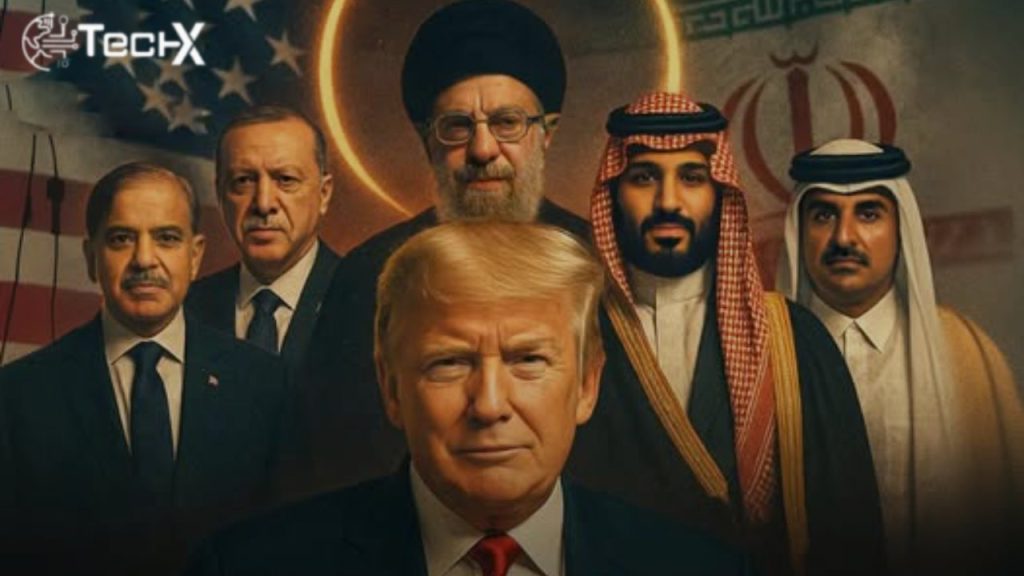
As tensions between Iran and Israel escalated following recent attacks, the United States sought urgent diplomatic intervention. Qatar emerged as a key mediator, leveraging its strong ties with both Western nations and Iran. The small Gulf nation’s strategic position and neutral stance made it an ideal broker for de-escalation. Its involvement marked a turning point in preventing further conflict.
Trump and Vance Seek Qatar’s Assistance
US President Donald Trump and Vice President JD Vance directly engaged Qatar’s Emir, Sheikh Tamim bin Hamad Al Thani, requesting mediation. Recognizing the urgency, Qatar swiftly initiated backchannel communications with Iranian officials. The White House acknowledged Qatar’s unique ability to bridge gaps between adversarial nations. This move underscored Qatar’s growing influence in global diplomacy.
Qatar’s Prime Minister Leads Negotiations
Sheikh Mohammed bin Abdulrahman Al Thani, Qatar’s Prime Minister, spearheaded talks with Iranian leaders. He conveyed US proposals while advocating for restraint. His diplomatic finesse helped navigate complex geopolitical sensitivities. Iran, responsive to Qatar’s trusted intermediary role, gradually softened its stance. These efforts were pivotal in shifting the focus from military action to dialogue.
Breakthrough: Iran Agrees to Ceasefire
After intense negotiations, Iran accepted the ceasefire terms proposed through Qatari channels. The agreement required both Iran and Israel to halt hostilities within specified timeframes. Qatar’s discreet yet persistent diplomacy ensured mutual concessions. This breakthrough averted a potentially catastrophic regional war. The swift resolution highlighted Qatar’s effectiveness in crisis diplomacy.
Also Read: Pakistan Stock Market Rises Over 6,500 Points After Iran-Israel Ceasefire
Trump Announces Successful Ceasefire
President Trump publicly confirmed the ceasefire, crediting Qatar’s pivotal role. He stated that military operations would cease within six hours, with full de-escalation in twelve. The announcement brought relief to global observers fearing prolonged conflict. Trump’s direct coordination with Israeli Prime Minister Netanyahu further solidified the agreement. Qatar’s mediation proved indispensable in achieving this outcome.
White House Confirms Qatar’s Mediation
A White House spokesperson affirmed that Qatar facilitated critical communications between the US and Iran. American officials relied on Doha’s discreet channels to convey terms effectively. This approach avoided public posturing, allowing for pragmatic solutions. Qatar’s involvement demonstrated how neutral intermediaries can resolve high-stakes disputes. The success reinforced its reputation as a diplomatic hub.
Why Qatar Was the Ideal Mediator
Qatar’s balanced relations with Iran, the US, and regional players enabled its mediation success. Unlike other Gulf states, it maintains open dialogue with Tehran while sustaining Western alliances. Its neutrality and diplomatic agility allowed for credible negotiations. Additionally, Qatar’s past mediation experience in Afghanistan and Lebanon bolstered its credibility. This crisis further cemented its role as a global peacemaker.
Lessons in Diplomacy and Conflict Resolution
The episode underscored the importance of backchannel diplomacy in averting wars. Qatar’s swift, behind-the-scenes efforts prevented further escalation. It also highlighted how smaller nations can influence global stability through strategic mediation. The US-Iran-Israel dynamic revealed that indirect talks, facilitated by trusted intermediaries, can yield faster results than direct confrontations.
A Model for Future Crisis Management
Qatar’s successful mediation offers a blueprint for resolving international disputes. Its ability to engage all sides without bias sets a precedent for conflict resolution. As geopolitical tensions persist, neutral mediators will remain essential. This case proves that diplomacy, not military action, often delivers lasting solutions. Qatar’s role may inspire similar interventions in future crises.
Conclusion: Qatar’s Diplomatic Triumph
Qatar’s intervention transformed a volatile situation into an opportunity for peace. Its strategic diplomacy averted a wider conflict, earning international recognition. The ceasefire demonstrated how neutral mediators can bridge divides between adversaries. As global tensions rise, Qatar’s model of quiet, effective diplomacy will remain invaluable. This success reaffirms its position as a key player in international peacemaking.