
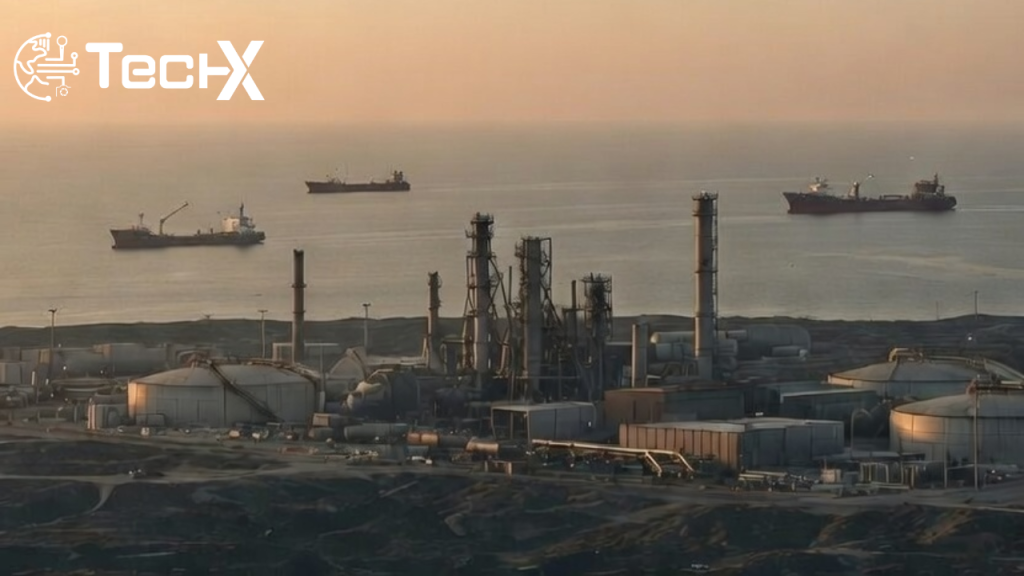
Qatar has declared force majeure on its liquefied natural gas (LNG) exports following escalating tensions in the Middle East involving the United States and Israel against Iran. This move temporarily suspends Qatar’s contractual obligations to deliver LNG amid the conflict.
Reason Behind the Declaration
The decision comes as geopolitical tensions threaten production and supply chains. QatarEnergy, the state-owned energy company, cited extraordinary circumstances, including potential security risks, as the reason for halting exports.
Global Impact on Gas Markets
Qatar supplies approximately 20% of the world’s LNG, making it a major player in global energy markets. The force majeure declaration is expected to cause shortages and price spikes in Europe, Asia, and other LNG-dependent regions.
Duration and Production Recovery
Even if the conflict ends immediately, sources indicate it may take at least a month for Qatar to restore production and resume normal export volumes. The delay is due to the complex process of safely restarting LNG facilities.
Market Reactions
Global gas markets are already responding to the news, with prices surging and trading volumes impacted. Energy analysts warn that supply constraints could persist for several weeks, affecting industries and households dependent on LNG.
Qatar Strategic Role in Energy Security
The situation highlights Qatar’s critical role in global energy security. The force majeure underscores how geopolitical tensions in the Middle East can have immediate and significant ripple effects on international energy markets and pricing.