
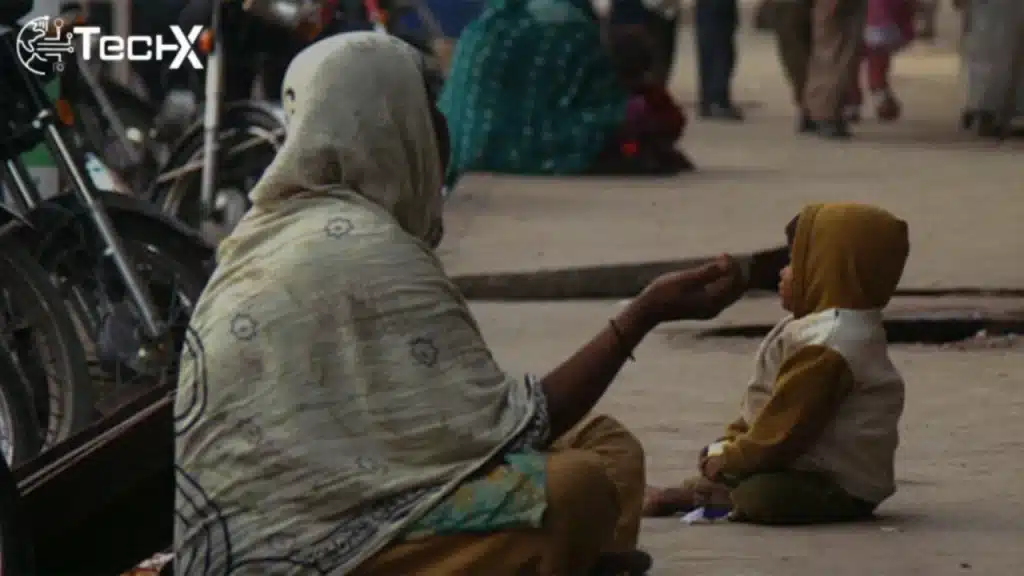
The Punjab government has taken a bold step to eliminate begging by passing a strict new law. This law targets not just beggars but also those forcing others into begging. The move has left many surprised, as streets may soon be free of beggars. The penalties are severe, making it a non-bailable offense. Let’s break down what this law means and its implications.
Begging and Forced Begging Now Non-Bailable Crimes
Under the new law, both begging and forcing someone to beg are now non-bailable offenses. This means offenders cannot secure bail easily and must face trial in custody. The government aims to curb exploitation, especially of vulnerable individuals. The law ensures that those involved in begging rackets face strict consequences. This move is expected to significantly reduce street begging across Punjab.
Punishment for Forcing One Person to Beg
If someone forces a single individual to beg, they will face three years in prison. Additionally, a hefty fine of three lakh rupees will be imposed. This strict penalty discourages individuals from exploiting others for financial gain. The law aims to protect vulnerable people from being coerced into begging. Such measures are crucial to breaking organized begging networks.
Also Read: Thousands of Afghans Leave Pakistan as Pressure to Return Intensifies
Harsher Penalties for Exploiting Multiple People
Those forcing multiple individuals to beg will face even stricter punishment. The imprisonment ranges from three to five years, with a fine of five lakh rupees. This targets organized begging rings that exploit many people. By increasing penalties, the government hopes to dismantle such operations. The law ensures that masterminds behind begging syndicates face severe consequences.
Child Begging Leads to Severe Consequences
Exploiting children for begging attracts the harshest penalties under this law. Offenders face five to seven years in prison and fines up to seven lakh rupees. Children are often the most vulnerable victims in begging rackets. The law aims to protect them from abuse and forced labor. Strict enforcement will help rehabilitate affected children and punish exploiters.
Brutal Punishment for Deliberate Maiming
The most severe punishment is reserved for those who disable people to force them into begging. Such criminals face seven to ten years in jail and a twenty lakh rupee fine. This addresses the horrific practice of intentionally injuring people to gain sympathy. The law sends a strong message that such inhumane acts will not be tolerated. Justice for victims is a top priority.
Double Punishment for Repeat Offenders
If a convicted person repeats the crime, their punishment doubles. This includes longer jail terms and higher fines. The law ensures habitual offenders face escalating consequences. It acts as a strong deterrent against re-entering the begging exploitation business. The government is determined to completely eradicate forced begging through strict enforcement.
Public Reaction and Expected Impact
The public reaction has been mixed, with some praising the law while others worry about rehabilitation. However, the focus remains on eliminating exploitation. The law is expected to reduce visible begging and dismantle criminal networks. Authorities will need to ensure proper enforcement and support for genuine beggars. Rehabilitation programs may be necessary for long-term success.
Conclusion
Punjab’s new anti-begging law is a major step toward ending exploitation. With strict penalties, it targets both beggars and those forcing them into begging. The law prioritizes protecting children and the disabled from abuse. Repeat offenders will face even harsher consequences. If enforced effectively, this law could transform Punjab’s streets and ensure justice for victims of forced begging.