
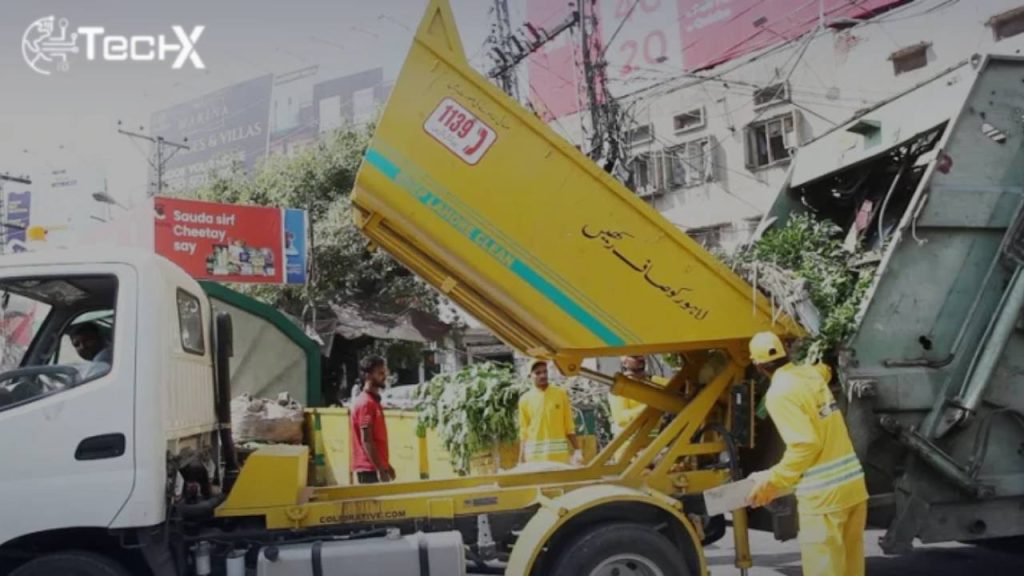
The Punjab government has introduced a new ‘garbage tax’ under the Rs200 billion ‘Suthra Punjab’ initiative. Starting July 1, residents will pay monthly fees for waste collection. The tax aims to enhance cleanliness in urban and rural areas. Properties will be charged between Rs200 and Rs5,000 based on size and type. Informal settlements, however, remain exempt from this levy.
Objective of the Clean Punjab Project
Chief Minister Maryam Nawaz launched the ‘Suthra Punjab’ project to improve sanitation standards. The goal is to ensure equal cleanliness in cities and villages. Proper waste management will reduce pollution and health risks. The initiative includes door-to-door garbage collection in multiple areas. Expanding services will ensure broader coverage, making Punjab cleaner and healthier for all residents.
How the Garbage Tax Will Be Implemented
Local bodies and waste management companies, like LWMC, will collect the tax. Fees vary: small properties pay Rs200, while larger ones pay up to Rs5,000. The system ensures fair contributions based on usage. Exemptions for informal settlements prevent financial strain on low-income households. Authorities are finalizing preparations for a smooth rollout in July.
Also Read: NADRA Introduces New Features to Non-Chip ID Cards
Impact on Urban and Rural Areas
The project bridges the sanitation gap between cities and villages. Urban areas already have waste services, but rural regions lag. Regular garbage collection will prevent littering and disease. Clean streets and proper disposal will enhance living standards. The government aims to create a uniform cleanliness system across Punjab.
Public Response and Concerns
While the initiative promises cleaner surroundings, some citizens worry about added expenses. Middle-class households may find higher charges burdensome. However, exemptions for informal settlements ease concerns for low-income groups. Transparency in fund usage will be crucial to gaining public trust. The government must ensure efficient service delivery to justify the tax.
Expected Benefits of the Initiative
The ‘Suthra Punjab’ project will reduce environmental pollution and health hazards. Proper waste management minimizes diseases like dengue and cholera. Cleaner streets improve aesthetics and tourism potential. The initiative also creates jobs in the waste management sector. Long-term benefits include a sustainable, eco-friendly Punjab.
Government’s Preparations for July Launch
All departments are finalizing logistics before the tax takes effect. Training staff, setting up collection systems, and public awareness campaigns are underway. The government is confident in meeting the July deadline. Successful implementation will set a precedent for future sanitation projects.
Conclusion: A Step Towards a Cleaner Punjab
The garbage tax marks a significant step in Punjab’s cleanliness drive. Though met with mixed reactions, its benefits outweigh the concerns. If executed well, it will transform sanitation standards. The government’s commitment to a ‘Suthra Punjab’ promises a healthier, greener future for all residents.