
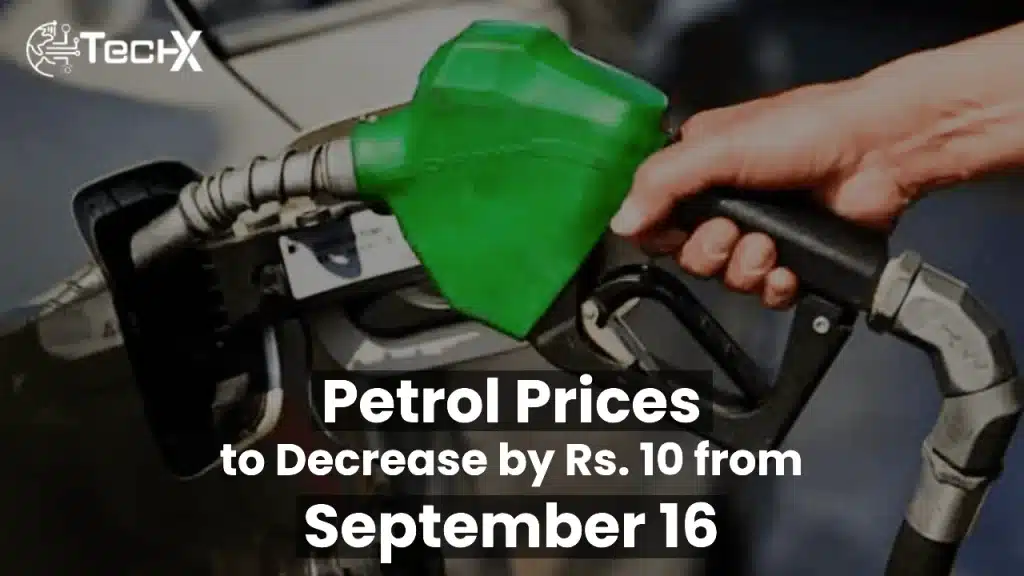
Pakistanis eagerly anticipate potential financial relief with the upcoming price review on September 15. Reports suggest a promising Petrol Prices to decrease, potentially lowering by Rs10 per litre. This adjustment also includes high-speed diesel, aligning with a recent decline in global oil rates. Currently, petrol retails at Rs259.1 per litre, with diesel at Rs262.75, but these figures might soon change.
Global Trends Influencing Local Prices
The anticipated decrease in petrol prices is a direct consequence of the $5 per barrel drop in global oil prices. This international downtrend provides a buffer against domestic price pressures, making it feasible for a Rs10 cut. If the government maintains the current petroleum levy, this reduction could substantially ease the burden on Pakistani consumers, enhancing their purchasing power amid rising living costs.
Impact on Household Economics
For middle and lower-income families in Pakistan, the petrol price cut could be a significant respite from the escalating expenses driven by inflation. While the direct effect on petrol might be swift, the trickle-down impact on transportation fares and essential goods prices might lag, as businesses typically adjust to new cost structures gradually.
Long-Term Effects on Daily Life
The potential decrease in petrol prices is seen as a vital step towards alleviating the cost of daily necessities and making commuting more affordable. Many Pakistanis hope this adjustment will lower general expenses, although the immediate impact on inflation might be limited. The broader expectation is that reduced fuel costs will eventually lead to lower prices in other sectors.
Cautionary Notes: Government Policies and Their Implications
While the prospect of cheaper petrol and diesel is appealing, there is a caveat. Any increase in the petroleum levy by the government could diminish the extent of the price cut, potentially curtailing the anticipated relief for consumers. Such a move would adjust the final petrol price, affecting how significant the financial relief would be for the average Pakistani.
Government’s Role in Shaping Fuel Pricing
The interplay between global market trends and governmental policy significantly impacts the retail pricing of petrol and diesel in Pakistan. The forthcoming decision on the petroleum levy will be critical in determining the actual reduction consumers experience at the pump. If the government opts for a higher levy, the promised Rs10 cut may not fully reach the consumers, thus diluting the intended economic relief.
Consumer Sentiment and Market Response
There is a palpable sense of anticipation among Pakistani consumers regarding the potential decrease in petrol prices. A reduction could not only boost household budgets but also enhance overall economic sentiment. However, the response from the market, especially transport and goods sectors, will be pivotal. These sectors’ rate adjustments in response to fuel price changes usually take time, affecting the immediate benefits of the decrease in petrol prices.
Analyzing the Broader Economic Impact
The reduction in petrol prices, if realized, could play a significant role in stabilizing Pakistan’s economy. By decreasing operational costs, businesses may be able to lower the prices of goods and services, potentially curbing the inflationary pressures that have burdened consumers. However, this outcome depends heavily on sustained reductions and stable economic policies supporting the lower petrol prices.
Challenges and Opportunities Ahead
Petrol Prices to decrease presents both challenges and opportunities. The main challenge lies in the timely adjustment of transport fares and goods prices to reflect the lower fuel costs. The opportunity, however, is for a broad-based economic relief that could stem from reduced commuting costs and lower prices of daily essentials, provided that the petrol price cut is substantial and sustained over time.
Looking Towards a Sustainable Future
As Pakistan navigates these economic adjustments, the focus also shifts towards sustainability. Reducing reliance on petrol and exploring alternative energy sources could be long-term goals. This Petrol Prices to decrease could serve as a catalyst for broader discussions on energy policies and environmental considerations, pushing for innovations that might lead to more sustainable economic practices.