
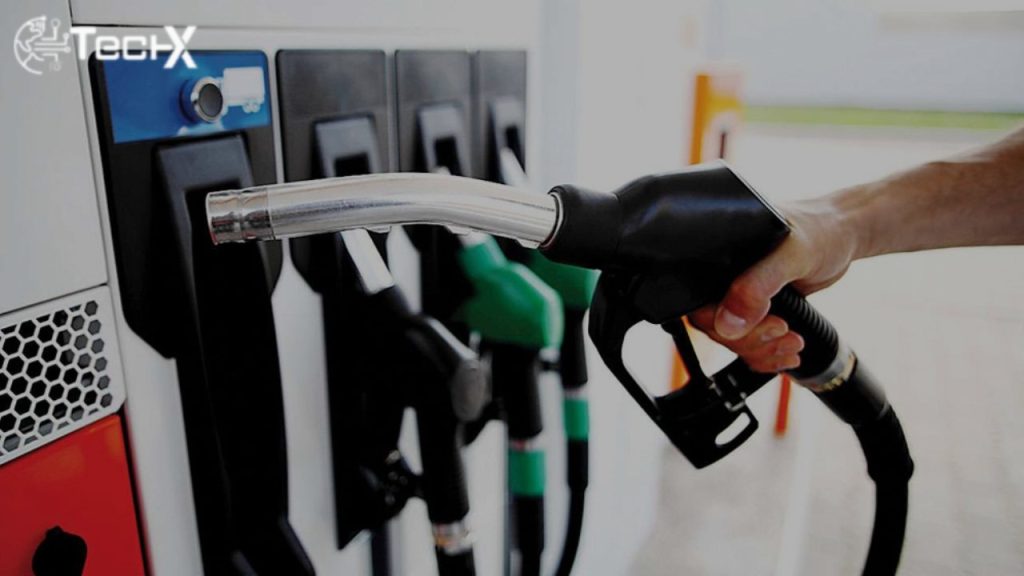
The federal government has raised petroleum prices again, worsening inflation. Petrol now costs Rs. 266.79 per liter after an Rs. 8.36 increase. High-speed diesel (HSD) surged by Rs. 10.39, reaching Rs. 272.98 per liter. This hike follows a previous increase of Rs. 4.80 for petrol and Rs. 7.95 for diesel. Consumers face growing financial strain amid relentless price surges.
Impact on Daily Life and Economy
Rising fuel prices directly affect transportation costs, leading to higher food and commodity prices. Public transport fares may rise, burdening low-income households. Businesses relying on logistics will also face increased expenses, potentially slowing economic growth. Inflation, already a pressing issue, could worsen, reducing purchasing power. The government must balance fiscal needs with public welfare to prevent further hardship.
Global Oil Market Influence
Recent geopolitical tensions have impacted global oil prices. The Israel-Iran conflict in June pushed prices above $80 per barrel before stabilizing below $70 after a ceasefire. However, Pakistan’s fuel prices remain high due to currency depreciation and taxes. International market fluctuations, combined with domestic economic challenges, make fuel affordability a persistent issue for the government and citizens alike.
Also Read: Govt Officially Launches App to Let Consumers Count Their Electricity Units
Government’s Fiscal Measures
The government attributes price hikes to rising global oil costs and IMF conditions. Subsidy reductions aim to cut fiscal deficits but increase public suffering. Critics argue for better tax reforms and energy sector efficiency. Without long-term solutions, frequent price adjustments will continue hurting consumers. Policymakers must explore alternatives like renewable energy to reduce dependency on imported fuel.
Public Reaction and Future Outlook
Citizens express frustration over relentless price hikes, demanding relief measures. Opposition parties criticize the government for failing to stabilize the economy. Experts warn of prolonged inflation if corrective steps are delayed. The government must prioritize sustainable policies to mitigate fuel price impacts. Until then, Pakistanis must brace for further economic challenges as petrol nears Rs. 270 per liter.