
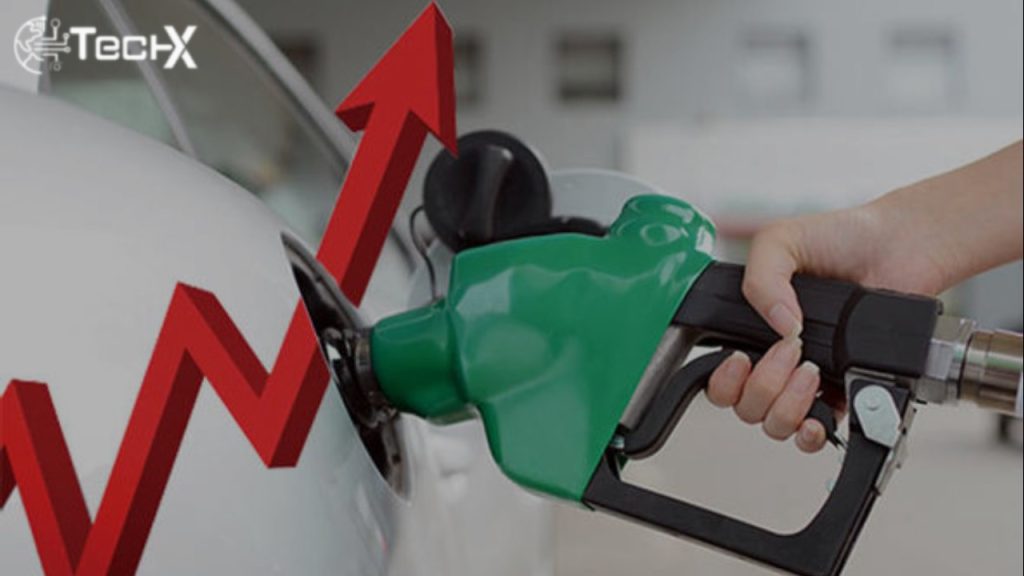
Petrol and diesel prices in Pakistan are set to rise significantly due to escalating global oil prices. According to Arif Habib Limited, High-Speed Diesel (HSD) may increase by Rs. 27/liter, while Motor Spirit (MS) Petrol could surge by Rs. 21/liter. This hike is linked to rising tensions in the Middle East, particularly the Israel-Iran conflict, disrupting global oil supply chains.
New Expected Fuel Prices
If the proposed increase takes effect, petrol prices will jump to Rs. 279-280 per liter, and diesel may reach Rs. 289-290 per liter. The new rates are expected to be implemented from July 1, 2025, further burdening consumers already facing high inflation. This follows a recent price hike on June 15, where petrol and diesel rose by Rs. 4.80 and Rs. 7.95 per liter, respectively.
Global Oil Market Trends
Since June 13, 2025, international oil prices have surged dramatically. Gasoline prices increased by 4.5%, reaching $83.4 per barrel, while Gas Oil (diesel) spiked by 9.6%, hitting $93.3 per barrel. These increases are driven by geopolitical instability and rising demand, pushing Pakistan’s fuel costs higher. If this trend continues, further price hikes are inevitable in the coming weeks.
Impact on Domestic Economy
Rising fuel prices will directly affect transportation costs, leading to higher prices for essential goods. Inflation, already a major concern, may worsen as businesses pass increased expenses to consumers. The government faces pressure to provide relief, but global market fluctuations limit its options. Without subsidies or tax adjustments, citizens must brace for prolonged financial strain due to soaring fuel costs.
Also Read: Azerbaijan to Buy 40 JF-17 Fighter Jets From Pakistan
Government’s Recent Price Adjustments
On June 15, the government raised petrol and diesel prices by Rs. 4.80 and Rs. 7.95 per liter, respectively. This adjustment reflected global oil trends but added to public frustration. With another major hike expected, policymakers must explore measures to mitigate the impact, such as reducing taxes or seeking alternative energy solutions to stabilize prices in the long term.
Future Outlook for Fuel Prices
If global oil prices remain high, Pakistan’s fuel costs will continue climbing. The Israel-Iran conflict and other geopolitical factors play a crucial role in market volatility. Experts warn that without significant changes in international dynamics, consumers should prepare for sustained high fuel prices. The government may need to revise its pricing strategy to balance economic stability and public affordability.
Conclusion
Pakistan is facing another sharp increase in petrol and diesel prices, driven by global market instability. With petrol potentially reaching Rs. 280/liter and diesel Rs. 290/liter, the economic impact will be widespread. The government must act swiftly to cushion the blow, but for now, consumers must adapt to rising fuel expenses amid ongoing inflation and economic challenges.