
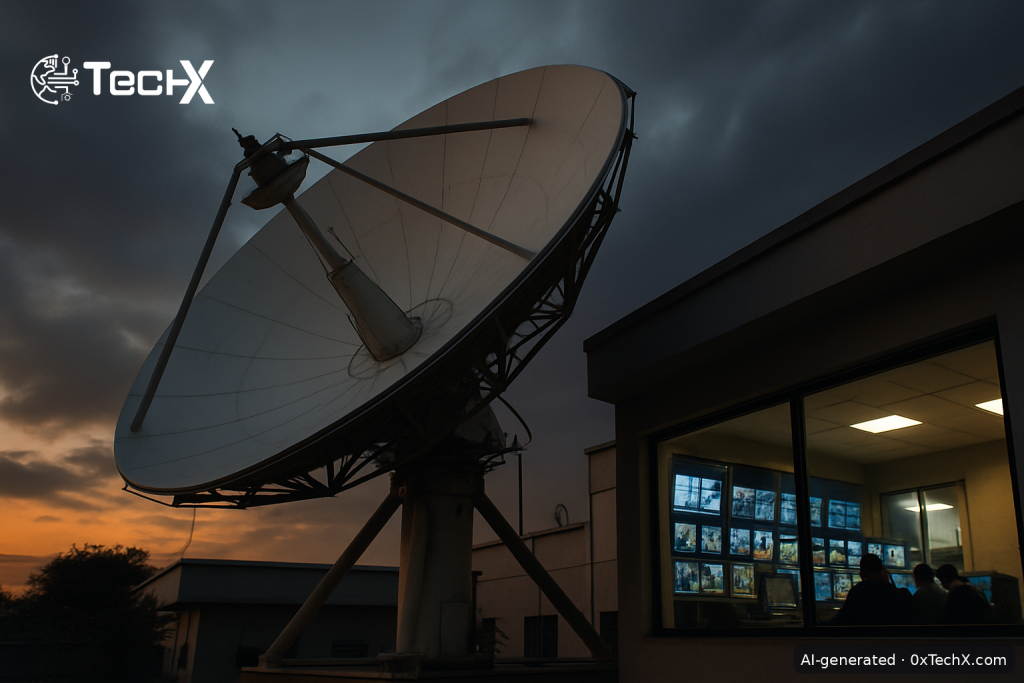
The PEMRA cybersecurity roadmap order issued on July 21, 2026 gives every satellite television channel licensee in Pakistan just three working days to hand over a detailed cybersecurity plan, with all measures fully in place by August 4. The directive comes after one of the worst broadcast security breaches in Pakistan’s history, and it signals that regulators have run out of patience with slow action from media companies.
What the PEMRA Cybersecurity Roadmap Order Actually Requires
The official notification from the Pakistan Electronic Media Regulatory Authority (PEMRA) spells out a clear list of steps. Each channel must submit a timeline for three big actions:
- Third-party cybersecurity audits carried out by independent firms, not the channel’s own IT team.
- Security Operations Centers (SOC) and SIEM systems, either built in-house or contracted out. A SOC is a team that watches for threats around the clock; a SIEM (Security Information and Event Management) tool collects and analyses security data in real time.
- Chief Information Security Officers (CISOs) appointed at every channel to own and lead cybersecurity decisions.
All three of these steps must be completed by August 4. The PEMRA cybersecurity roadmap requirement is not optional. Channels that miss the submission window risk regulatory action from the authority.
Satellite Interference Is Also on PEMRA’s Radar
Alongside the cybersecurity plan demand, PEMRA convened a high-level meeting at its Islamabad headquarters to deal with a second problem: satellite uplink frequency interference. Channels were told to send their Chief Technical Officers and Chief Cyber Security Officers to attend. At the same time, SUPARCO and Paksat International Limited were asked to nominate technical experts to help resolve what PEMRA called a matter of grave concern.
Interference with satellite uplinks is separate from a direct cyberattack, but it can produce the same result for viewers at home: a disrupted or hijacked broadcast signal. Both problems point to the same weakness in Pakistan’s broadcast chain.
The March 2026 Hack That Started All of This
To understand why PEMRA is moving so fast, you have to look back at March 1, 2026. That evening, shortly after Iftar during Ramadan, hackers broke into the live satellite feeds of Geo News, ARY News, and Samaa TV. Millions of viewers watching the 9 pm news bulletins suddenly saw unauthorised messages appear on their screens instead of regular programming. The breach specifically targeted PakSat-1R, Pakistan’s national communication satellite.
The content shown during the attack included pro-Israel and Mossad-related messages. Websites belonging to the affected channels were also defaced. The reach of the attack extended far beyond Pakistan’s borders, with reports that websites in 19 different countries were hit through unauthorised Google advertisement campaigns linked to the same operation.
Geo News confirmed it had been fighting off hacking attempts for nearly 24 hours before the attackers finally got through. The channel’s managing editor was clear that the messages had nothing to do with the channel’s editorial team.
Pakistan’s National Computer Emergency Response Team (PKCERT) opened investigations, and the government formed a dedicated committee specifically to raise cybersecurity standards across the broadcast sector. That committee has been watching compliance ever since, and the new PEMRA cybersecurity roadmap order is its most direct move yet.
Months of Groundwork Before the Deadline
The three-day submission window sounds sudden, but PEMRA and the government have been building toward this for months. On June 30, NCERT officials held a meeting with broadcasters where they explained cybersecurity protocols, risk management strategies, and ways to protect both broadcast signals and digital platforms. The session also pushed for stronger coordination between regulators, security specialists, and the media companies themselves.
The government committee formed after the March attacks is now responsible for checking that media organisations actually follow through on stronger security measures, not just plan for them. The August 4 final deadline means channels have roughly two weeks from the initial roadmap submission to show concrete results.
Why This Matters for Pakistani Viewers and the Broader Tech Sector
Most coverage of this story focuses on the regulatory angle. What gets less attention is what a broadcast hack means for ordinary Pakistanis at home. When a prime-time news signal is hijacked, viewers cannot easily tell if what they are seeing is real news or planted disinformation. That trust gap is hard to rebuild once it opens.
For Pakistan’s wider tech and digital infrastructure sector, the incident is a warning sign. If satellite feeds serving major national broadcasters can be compromised, the same vulnerabilities could exist in other critical systems. The push for SOCs, SIEM tools, and full-time CISOs inside media companies mirrors what financial and telecom sectors have already started doing. The broadcast industry is simply catching up, pushed by regulatory force rather than voluntary action.
The PEMRA cybersecurity roadmap order also matters for Pakistan’s digital economy ambitions. The country has been working to attract tech investment and grow its IT exports. A media sector with weak cybersecurity sends the wrong signal to international partners and investors who care about digital governance standards.
Frequently Asked Questions
What is the PEMRA cybersecurity roadmap order?
It is an official directive from Pakistan’s broadcast regulator PEMRA, telling all satellite TV channel licensees to submit a detailed cybersecurity plan within three working days. The plan must include timelines for third-party audits, SOC and SIEM system setup, and CISO appointments, all completed by August 4, 2026.
Which TV channels were hacked in March 2026?
Geo News, ARY News, and Samaa TV were among the major channels whose satellite feeds were hijacked on the evening of March 1, 2026. Unauthorised messages appeared during the prime-time 9 pm news slot, and the hackers also defaced the channels’ websites.
What is a SOC and why does PEMRA want channels to have one?
A Security Operations Center (SOC) is a dedicated team, either in-house or outsourced, that monitors an organisation’s digital systems around the clock for signs of attack or intrusion. PEMRA wants every satellite channel to have one so that future hacking attempts are caught and stopped before they reach viewers.
What happens if a TV channel misses the August 4 deadline?
PEMRA has not publicly listed specific penalties for missing the deadline, but as the broadcast regulator it has the power to issue fines, suspend licences, or take other regulatory action against channels that do not comply with its directives.