
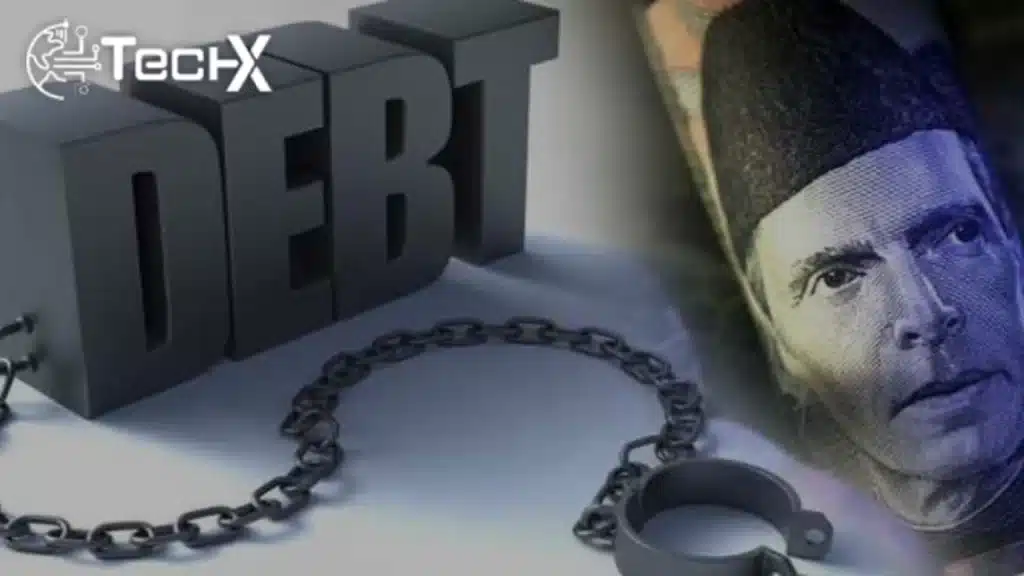
In a concerning development, Pakistan’s total debt has surged past Rs. 70 trillion in just two months, according to data from the State Bank of Pakistan (SBP). The government’s heavy reliance on borrowing to bridge its fiscal deficit has led to a 2.1% increase in debt during the first two months of the fiscal year 2024-25. The total debt reached Rs. 70.362 trillion, marking a rise of Rs. 1.448 trillion during this period.
The Rise in Domestic Debt
The significant portion of this increase comes from a sharp rise in Pakistan’s domestic debt, which grew by Rs. 1.179 trillion. As of now, the total domestic debt stands at Rs. 48.34 trillion. Domestic borrowing has surged due to the government’s efforts to meet its budgetary requirements amid slow revenue growth. The domestic debt continues to place a heavy burden on Pakistan’s fiscal management, contributing to rising inflation and economic uncertainty.
Impact of External Debt
In addition to the rise in domestic debt, Pakistan’s external debt increased by 1.2%, reaching Rs. 22.023 trillion. Although this rise is relatively smaller compared to the domestic debt surge, external debt remains a critical component of the country’s overall financial obligations. The increase in external debt was somewhat mitigated by a slight improvement in the value of the Pakistani rupee. However, managing external debt remains a challenge due to fluctuating exchange rates and international financial obligations.
Factors Contributing to Debt Growth
The increase in Pakistan’s total debt can be attributed to several factors. One of the primary reasons is the government’s struggle to balance its expenditures with its revenue collection. Ongoing fiscal deficits have forced the government to resort to borrowing, both domestically and internationally. Moreover, rising costs associated with debt servicing, subsidies, and defense spending have further strained the national budget, making borrowing a necessary, albeit unsustainable, solution.
The Fiscal Deficit and Borrowing
The persistent fiscal deficit is one of the main drivers of Pakistan’s rising debt. The government has struggled to increase its tax base and improve revenue collection, leading to a significant gap between expenditures and income. Borrowing has become a routine method of covering this deficit, but it comes at a high cost. The rising debt means higher interest payments, which in turn limits the government’s ability to invest in infrastructure and social programs.
Also read: SBP data reveals over a 27% increase in central Govt. debt
Challenges of Managing Domestic Debt
Managing the growing domestic debt is crucial for maintaining fiscal stability. The bulk of Pakistan’s debt burden comes from domestic sources, making it imperative for the government to find ways to manage and restructure this debt. However, high-interest rates and inflation make it difficult to reduce the debt without causing further economic disruptions. Policymakers are under increasing pressure to implement reforms that could help control the debt while encouraging economic growth.
External Debt and Global Financial Pressures
The rise in external debt presents its own set of challenges for Pakistan. The country remains vulnerable to fluctuations in global financial markets and foreign exchange rates. While the slight improvement in the rupee has helped slow the growth of external debt, long-term sustainability is still a concern. Any further depreciation of the rupee or increase in international interest rates could lead to higher debt servicing costs, putting additional strain on the economy.
Implications for Pakistan’s Economic Health
The rapid growth of Pakistan’s total debt has significant implications for the country’s overall economic health. High levels of debt increase the risk of default, reduce investor confidence, and limit the government’s ability to invest in critical sectors such as education, healthcare, and infrastructure. Moreover, rising debt servicing costs reduce the funds available for public welfare, exacerbating social inequalities and economic hardships for the population.
The Need for Urgent Reforms
To address the growing debt crisis, urgent reforms are needed to improve fiscal management and increase revenue collection. Pakistan’s rising debt is unsustainable, and without reforms, the country could face severe economic consequences. The government must focus on expanding the tax base, improving governance, and reducing wasteful expenditures. Additionally, efforts should be made to attract foreign investment and promote exports to generate the revenue necessary to manage and eventually reduce the national debt.
Conclusion
Pakistan’s total debt crossing Rs. 70 trillion in just two months underscores the severity of the country’s fiscal challenges. With domestic debt rising sharply and external debt adding to the burden, managing this growing debt is crucial for maintaining economic stability. Policymakers must take immediate steps to reform the country’s fiscal policies, improve revenue collection, and reduce reliance on borrowing. Failure to address these issues could lead to long-term economic instability, impacting the livelihoods of millions of Pakistanis.