
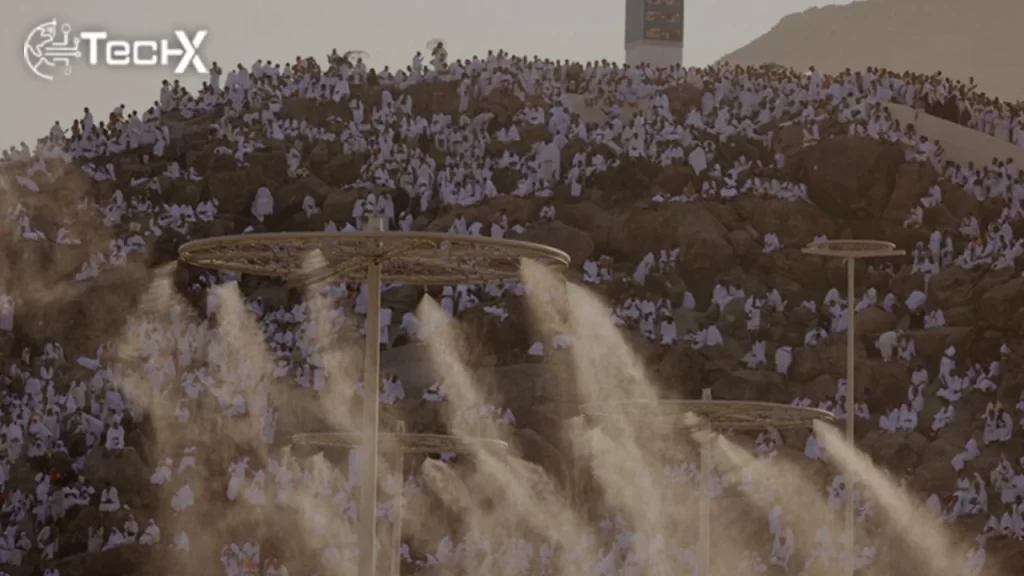
Pakistani pilgrims performing Hajj in 2025 will enjoy unprecedented upgrades, ensuring a seamless and comfortable experience. Director Hajj in Makkah, Azizullah Khan, confirmed these enhancements, marking this year’s pilgrimage as one of the most organized in Pakistan’s history. From improved accommodations to digital innovations, these facilities aim to elevate the spiritual journey for all participants.
Enhanced Camps and Accommodation in Mina and Makkah
For the first time, Pakistani pilgrims will stay in fully air-conditioned tents in Mina, featuring sofa-cum-beds instead of traditional floor mattresses. The upgraded tents include gypsum walls and elevated luggage racks, significantly enhancing comfort. In Makkah, pilgrims will reside in premium hotels and residential buildings in Azizia and Batha Quraish, ensuring proximity to holy sites and improved living conditions throughout their stay.
Tech-Driven Pilgrimage Experience
Saudi Arabia’s digital platforms, including Nusuk, Hajj Navigator, Tawakkalna, and Asefny, will streamline the pilgrimage. These apps offer real-time navigation, safety alerts, and health support. Pakistani pilgrims will receive Nusuk cards, functioning as both IDs and essential permits for sacred sites. The cards enable schedule tracking, service access, emergency alerts, and feedback submission, ensuring a hassle-free experience.
Also Read: Saudi Arabia Announces Umrah Schedule for 2025-26 Season
Customized Pilgrim Kits and Mobile App Support
Each pilgrim will receive a specially designed kit containing a Pakistani flag-themed bag, a QR code for identification, and printed pilgrimage guides. Additionally, the Pak Hajj 2025 Mobile App will provide vital information, including group details, training schedules, flight and accommodation updates, and live maps. This digital support ensures pilgrims stay informed and connected throughout their journey.
Comprehensive Health and Support Services
Pakistan’s Hajj Medical Mission will operate two hospitals (in Makkah and Madinah) and eleven dispensaries across both cities. These facilities will remain fully operational, offering round-the-clock healthcare. Dedicated medical teams will address emergencies, ensuring pilgrims’ well-being. The inclusion of specialized services, such as the Wheelchair Desk, further enhances accessibility for all participants.
Round-the-Clock Support Services
Continuous assistance will be available for food, health, and transportation needs. A dedicated Monitoring Cell has been established to address complaints and emergencies, particularly for private Hajj participants. These measures ensure prompt resolution of issues, allowing pilgrims to focus on their spiritual duties without logistical concerns.
Improved Training and Payment Options
Mandatory pilgrim training began on January 18, 2025, with schedules accessible via the mobile app. For the first time, the government introduced a three-installment payment plan, easing financial burdens. All transactions are digitized, enhancing transparency and reducing mismanagement risks. These initiatives reflect a commitment to making Hajj more accessible and convenient.
Conclusion
The 2025 Hajj promises to be a landmark year for Pakistani pilgrims, with upgraded accommodations, digital tools, healthcare, and financial flexibility. These efforts by Pakistani and Saudi authorities underscore their dedication to ensuring a safe, comfortable, and spiritually enriching pilgrimage. Pilgrims can now focus solely on their devotion, supported by state-of-the-art facilities and services.