
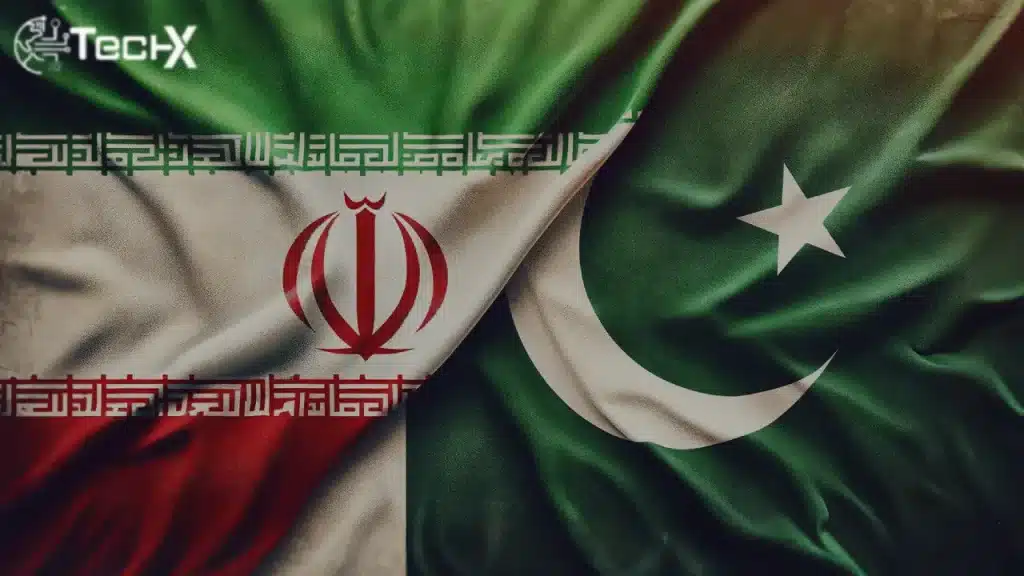
Reports from an Israeli channel reveal Pakistan’s stern message to the US. Islamabad warned that any nuclear attack on Iran would trigger a Pakistani nuclear response against Israel. This bold statement underscores Pakistan’s commitment to regional stability and its strategic alliance with Iran. The warning highlights escalating tensions in the Middle East and Pakistan’s readiness to defend its interests.
Diplomatic Communications with France and the US
Pakistan has reportedly extended its warnings to France and the US. It cautioned that direct intervention in the Iran-Israel conflict would prompt Pakistani military involvement on Iran’s side. This move signals Pakistan’s firm stance against foreign aggression in the region. The message aims to deter Western powers from escalating the conflict, emphasizing Pakistan’s geopolitical influence and strategic partnerships.
Implications for Regional Security
Pakistan’s warning carries significant implications for Middle Eastern stability. A nuclear exchange could devastate the region, drawing global powers into conflict. By aligning with Iran, Pakistan reinforces its role as a key regional player. The statement also reflects growing frustration with Western interventionism, potentially reshaping alliances in the Muslim world. The situation demands urgent diplomatic efforts to prevent further escalation.
Also Read: Government Likely to Increase Petrol and Diesel Prices in Pakistan
Pakistan’s Strategic Alliance with Iran
Pakistan’s strong stance highlights its deep-rooted ties with Iran. Both nations share cultural, religious, and strategic interests, particularly regarding regional sovereignty. By threatening military action, Pakistan reaffirms its commitment to defending allied nations against external threats. This alliance could strengthen further, altering the balance of power in the region and challenging US-Israel dominance in Middle Eastern geopolitics.
Global Reactions to Pakistan’s Warning
The international community has yet to respond formally to Pakistan’s warnings. However, the statement has likely sparked urgent discussions among global leaders. The US and its allies may reassess their strategies to avoid provoking a broader conflict. Meanwhile, Iran may view Pakistan’s support as a deterrent against potential strikes. The situation remains volatile, with diplomacy being the only viable path forward.
Conclusion: A Call for Restraint
Pakistan’s bold warnings underscore the fragile state of Middle Eastern geopolitics. The threat of nuclear retaliation highlights the high stakes involved. All parties must prioritize dialogue over confrontation to prevent catastrophic outcomes. The world watches closely as tensions rise, hoping for peaceful resolutions to avoid further destabilization in an already volatile region.