
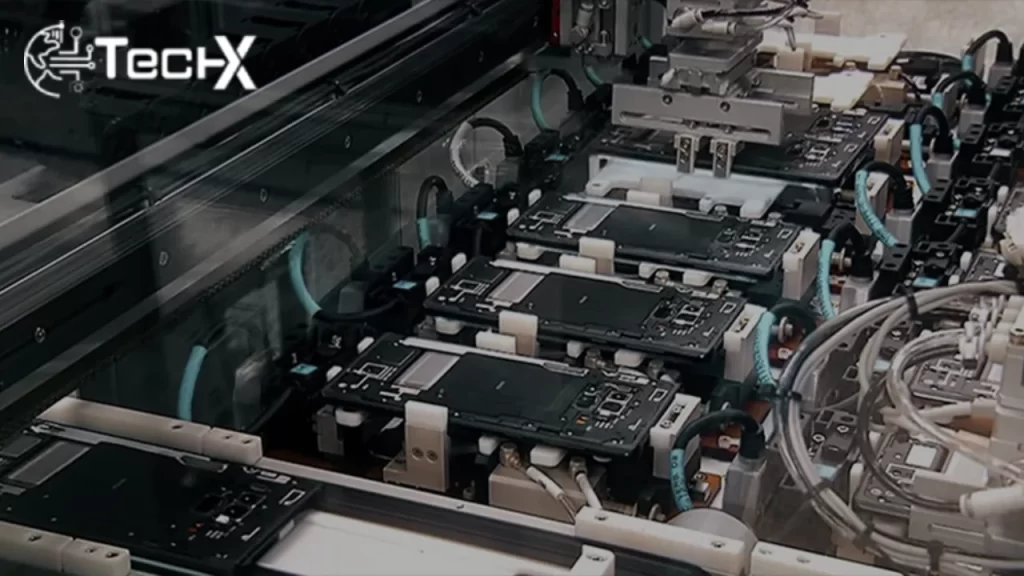
The government of Pakistan has announced a stretegy of new export policy aimed at boosting the export of locally manufactured mobile devices. This move, detailed in a session of the National Assembly, targets elevating Pakistan’s role in the global mobile market through enhanced domestic production capabilities. With 93% of mobile devices currently assembled within the country, the new export policy seeks to capitalize on the existing infrastructure and expertise developed through partnerships with leading global mobile brands.
Policy Objectives and Economic Implications
The primary objective of this new policy is to increase Pakistan’s IT exports to $5 billion within the next five years, setting a benchmark that aligns with the global mobile industry leaders. The policy outlines specific incentives, including a 3% research and development tax credit to foster innovation within the local manufacturing sector. By doing so, it aims to create a competitive advantage for Pakistan in the international market, making it an attractive destination for foreign investment in mobile technology.
Expansion of Local Manufacturing
The initiative grants production licenses to 35 companies for assembling smartphones, which marks a significant step towards reducing dependency on mobile imports. This strategic move is supported by previous successes in local production, which saw a substantial rise in the number of handsets produced from 13.05 million in 2020 to over 22 million in the following year. Such growth demonstrates the effectiveness of government policies in mobilizing the capabilities of local industries towards large-scale production.
Also Read: PTA Issues Warning Against Illegal Forex Trading Platforms
Technological Advancement and Industry Growth
With the policy, Pakistan plans to transition from merely assembling mobile phones to manufacturing high-end smartphones and their components. This includes local production of critical parts like batteries and motherboards. The goal is to foster a technologically advanced mobile manufacturing ecosystem that not only serves local markets but also competes internationally. Such advancements will require ongoing investment in technology, training, and development of human capital.
Challenges and Potential Solutions
While the policy sets a robust framework for growth, several challenges could impede progress, including the need for advanced technological infrastructure and skilled labor. To address these, the government plans continuous engagement with industry stakeholders to ensure that the manufacturing sector’s needs are met and that the workforce is adequately trained. Furthermore, regulatory support and protectionist measures such as tariffs on imports might be necessary to nurture and protect the nascent manufacturing industry until it can compete on its own.
Economic Benefits and Future Outlook
The economic benefits of this policy extend beyond increased exports. By fostering a local manufacturing industry, Pakistan can significantly reduce its trade deficit in the telecommunications sector. Additionally, the development of this industry is expected to create numerous jobs, drive technological innovation, and attract foreign direct investment. Looking ahead, the success of this policy will depend on sustained governmental support, industry collaboration, and adherence to international quality standards.
Conclusion: New Export Policy to Boost Mobile Device
Pakistan’s new export policy represents a pivotal shift towards transforming the country into a hub for mobile device manufacturing and export. This strategic move not only aligns with global economic trends but also leverages Pakistan’s existing capacities in assembly and production. If successfully implemented, the policy will position Pakistan prominently on the map of global mobile device markets, driving economic growth and technological advancement. By focusing on exports, the government aims to secure a sustainable and prosperous future for the nation’s technology sector.