
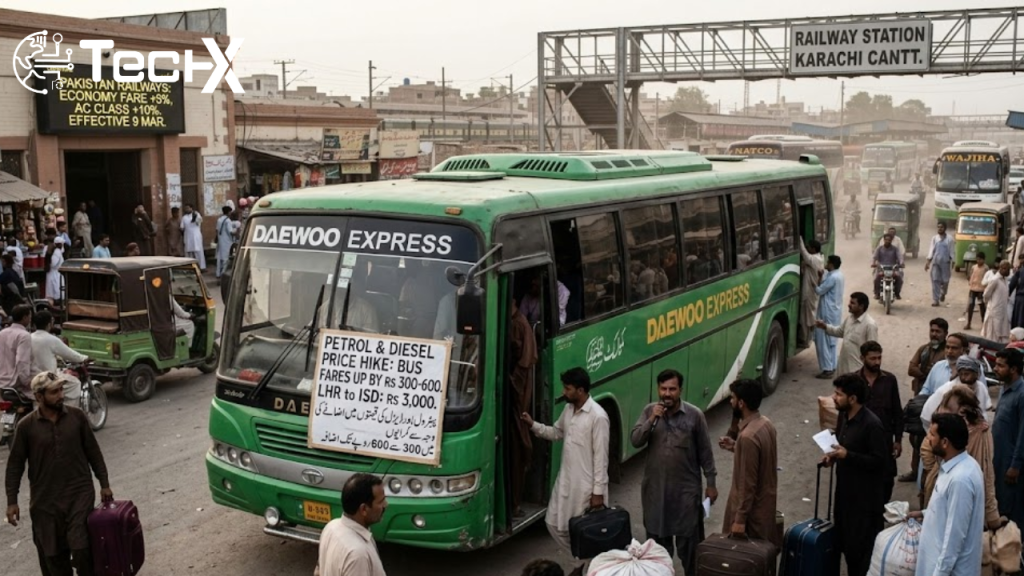
Recent increases in petrol prices in Pakistan have directly impacted the daily lives of citizens. Rising international oil prices and adjustments in government subsidy policies have caused fuel costs to surge, creating challenges for the economy and the general public.
Transport Fares Increase
Following the petrol price hike, buses, coaches, and railway services have increased their fares. Transport authorities stated that fare adjustments are necessary to cover rising operational costs and to continue providing reliable services. This increase mainly affects daily commuters and long-distance travelers.
Impact on Daily Commuters
Daily travelers now have to spend more on transportation, affecting their monthly budgets. Low-income citizens and students, who rely heavily on public transport, feel the burden the most. Increased fares may also reduce accessibility for some people who depend on buses and trains for their routine travel.
Railway Services Adjustments
Pakistan Railways has also revised ticket rates in response to higher diesel and fuel costs. Officials emphasized that these changes were essential to maintain service quality and train schedules. Some long-distance routes have seen a more noticeable fare increase.
Public Reaction and Outlook
The public has expressed frustration over the fare hikes, with discussions and complaints circulating widely on social media. Experts warn that if international oil prices continue to rise, further adjustments in public transport fares may be unavoidable.