
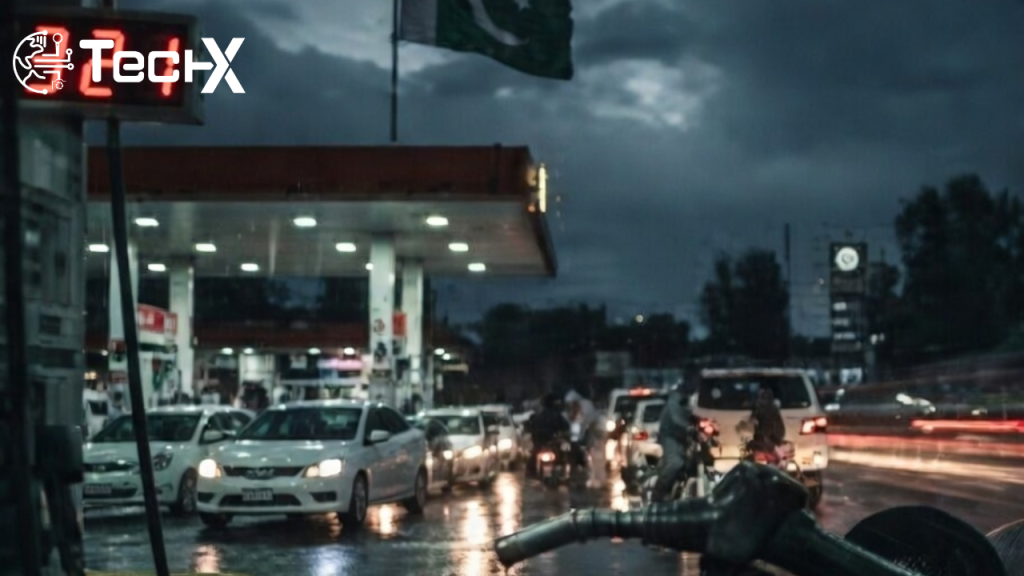
Recent data shows that Pakistan currently has some of the highest petrol and diesel prices in South Asia. The country is witnessing a significant surge in fuel costs, driven by rising global oil prices and local economic factors. This increase is putting added pressure on consumers and businesses across the country.
Rising Fuel Costs Across Neighboring Countries
Other South Asian nations, including India, Bangladesh, Nepal, and Sri Lanka, have also seen moderate increases in fuel prices. Although the hikes are smaller compared to Pakistan, they indicate a regional trend of escalating fuel costs that could impact transportation, trade, and daily life.
Global Fuel Prices Pre War vs March 2026 Comparison
| Country | Before War Price | 7 Mar 2026 Price |
| Pakistan | 266.17 PKR/L | 321.17 PKR/L |
| India | 94.77 INR/L | 94.77 INR/L |
| Bangladesh | 125 BDT/L | 130 BDT/L |
| Afghanistan | 57 AFN/L | 57 AFN/L |
| Nepal | 186 NPR/L | 190 NPR/L |
| Sri Lanka | 365 LKR/L | 370 LKR/L |
| Turkey | 41 TRY/L | 43 TRY/L |
| Iran | 0.3 USD/L | 0.32 USD/L |
| Saudi Arabia | 0.62 USD/L | 0.66 USD/L |
| UAE | 0.65 USD/L | 0.68 USD/L |
| China | 1.2 USD/L | 1.26 USD/L |
| UK | 1.78 USD/L | 1.85 USD/L |
| Germany | 1.82 USD/L | 1.89 USD/L |
| USA | 0.85 USD/L | 0.9 USD/L |
Global Trend of High Petrol and Diesel Prices
Fuel price increases are not limited to South Asia. Countries around the world, including parts of Europe, the Middle East, and North America, are experiencing rising petrol and diesel rates due to geopolitical tensions, supply chain disruptions, and fluctuations in crude oil markets. This global trend is contributing to economic pressures everywhere.
Impact on Economy and Citizens
The surge in fuel prices has broad implications for the economy. Higher petrol and diesel costs can lead to increased transportation and production costs, which may further drive inflation. Governments are being urged to take steps to stabilize the market, prevent hoarding, and ensure fair distribution to protect citizens from the full impact of rising fuel prices.