
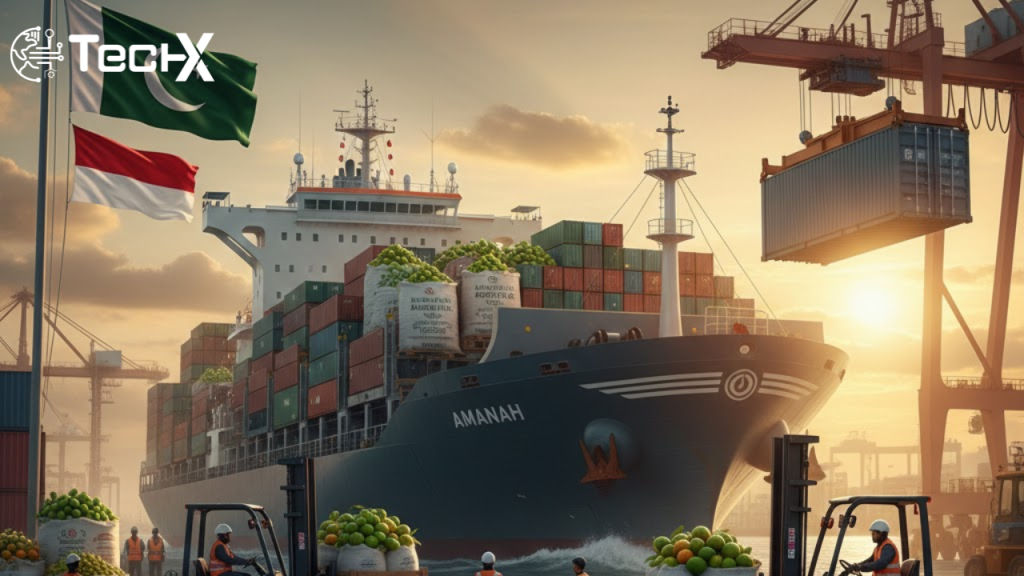
The call for more agricultural exports is in the wake of top-level talks between the Pakistani and Indonesian governments, in which the two governments decided to improve trade cooperation. Agricultural exports have been a key focus of the Pakistani government, given the sector’s importance to export sector performance and foreign exchange earnings.
High Level Talks to Boost Bilateral Trade
The call for an increase in agricultural exports comes after top-level talks between officials of Pakistan and Indonesia, following which an agreement has been reached to improve trade cooperation between the two countries. Improvement in agriculture has been made a priority by the Pakistani administration.
Renewed Focus on Rice Export Cooperation
Rice is one of the core components of Pakistan export policy aimed at Indonesian markets. The government is making efforts to revive and renegotiate previous government-to-government agreements to ease and predict the rice exports. The objective is to develop long-term mechanisms that will be beneficial to both sides.
Expanding Market Access for Other Farm Products
Aside from rice, Pakistan is also looking forward to having better market access with respect to other agricultural products, such as fruits and value-added agricultural products. Measures are also being taken to rectify the regulatory, testing, and importing aspects pertaining to making exports more convenient and competitive within the Indonesian market.
Strengthening Institutional and Trade Mechanisms
In order to facilitate these plans, both nations are to strengthen their engagement through trade consultations and activate their bilateral trade committees. This is to ensure faster resolution of trade concerns and maintain momentum on agricultural cooperation.
Long Term Benefits for Pakistan Economy
This implies that by increasing agricultural exports to Indonesia, Pakistan will be in a position to diversify its export base, decrease trade imbalances, and open up more opportunities for farmers and exporters. If implemented, it may become a key factor for developing the economic resilience and regional trading position of Pakistan beyond 2026.