
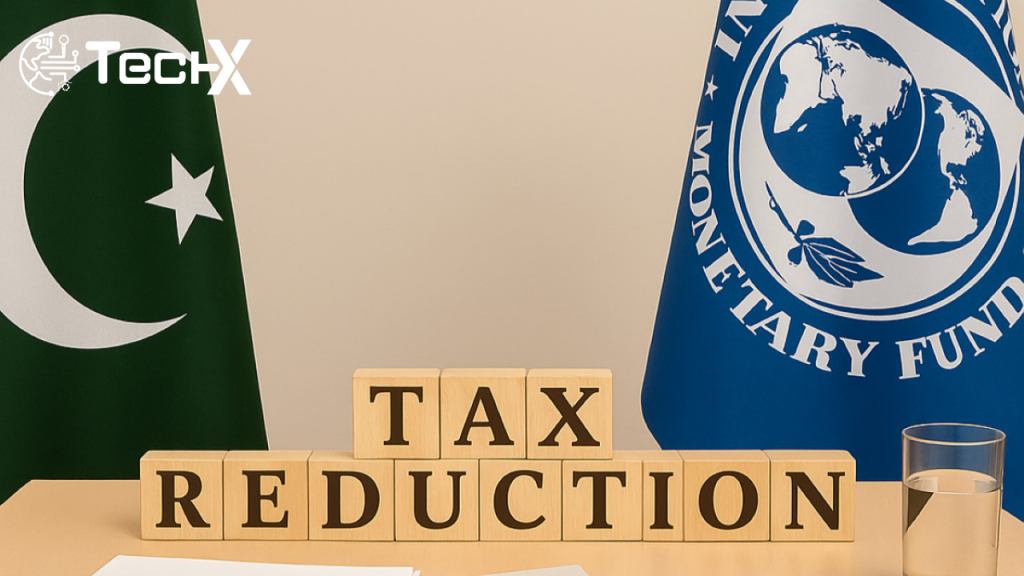
Pakistan has officially asked the International Monetary Fund (IMF) to reduce its revenue (tax collection) target by about Rs200 billion under the ongoing $7 billion Extended Fund Facility (EFF) programme. The request comes amid ongoing virtual negotiations between Pakistani officials and IMF staff as part of the programme’s periodic review.
Reason Behind the Request
The government and the Federal Board of Revenue (FBR) argue that hitting the originally agreed tax target is becoming very difficult due to slower‑than‑expected revenue collection in the current fiscal year. For the first eight months of the year, tax receipts have lagged behind targets by around Rs428 billion, putting pressure on Islamabad to seek a downward adjustment.
Negotiations on Revised Target
Under the discussions, Pakistan and the IMF are close to a staff‑level agreement to revise the FBR’s tax collection target downward to approximately Rs13.45 trillion by the end of June 2026. This is a further reduction from a previously revised target of about Rs13.97 trillion that was agreed earlier with IMF support.
Tax to GDP Ratio Challenges
One of the key issues in talks is that Pakistan is expected to miss the 11% tax‑to‑GDP ratio target agreed with the IMF for fiscal year 2025‑26. Officials now project that tax collections might rise to around 10.6 percent of GDP by June 2026, but still fall short of the original goal.
Economic and Policy Context
The push for lowering the tax target reflects broader economic challenges a combination of weak revenue performance, inflationary pressures, and slower growth that have made achieving ambitious fiscal goals difficult. Pakistan must also adjust its government spending plans to align with any revised targets under IMF conditions.
What Happens Next
Both sides are continuing virtual consultations to finalize the updated macroeconomic and fiscal framework. Once an agreement is reached, Islamabad will integrate the revised tax target into its budgetary framework for the remaining fiscal year and adjust fiscal policies in accordance with IMF programme conditions.