
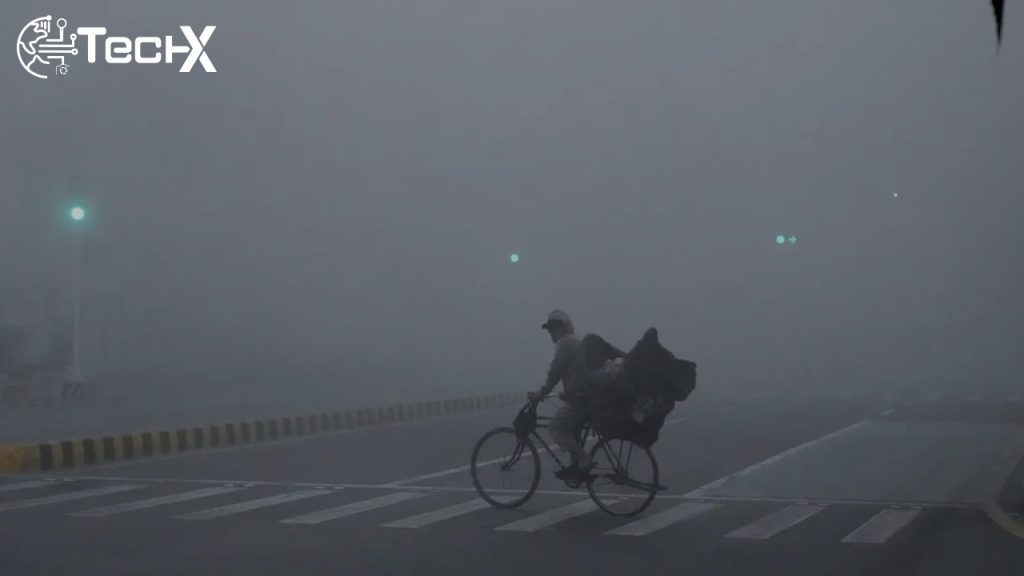
Pakistan has shared its first full national assessment on air pollution, marking a strong step toward understanding the country’s growing environmental troubles. The study was prepared by the Pakistan Air Quality Initiative and unveiled at the Clean Air Summit in Lahore. Experts called it a major moment, one that blends science and policy to help leaders make better choices for cleaner and safer air in the years ahead.
Impact of Pollution on Public Health Highlighted
The assessment shows that air pollution is now the toughest environmental and health issue facing the country. It warns that average life expectancy has fallen by almost four years due to poor air quality. The report links fine particles like PM2.5 to a rise in breathing and heart diseases. It also states that people living in major cities face long-term health dangers as pollution continues to build.
Detailed Analyses Across Four Major Airsheds
Using satellite images, chemical transport models and real-time data, the report breaks down air quality in Lahore, Karachi, Rawalpindi-Islamabad and Peshawar. It lists main pollution sources and explains how they harm health. This approach gives a clearer picture of the problem in each area. The study helps people understand why these cities struggle with smog and what is needed to protect those who breathe this air every day.
Also Read: Major Motorway Expansion Announced, Upgraded to Six Lanes
Lahore and Karachi Identified as Major Hotspots
In Lahore, emissions from transport, industries and brick kilns are highlighted as the biggest contributors, with winter weather making conditions worse. Karachi, on the other hand, suffers mainly due to industrial sites that use poor fuel and face weak checks. These industries produce nearly half of the city’s emissions. Both cities show deep-rooted issues that demand steady action if cleaner air is to be achieved.
Challenges in Rawalpindi, Islamabad and Peshawar
The report states that fast-rising traffic is the main reason for pollution in Rawalpindi and Islamabad. In Peshawar, the natural shape of the valley traps dirty air, while heavy movement of goods raises exposure levels. These problems show how each region needs its own plan. The air people breathe in these cities remains unsafe, and long-term solutions must consider each city’s unique conditions.
Experts Call for Evidence-Based Policy Shifts
PAQI founder Abid Omar said the report is the result of many years of careful data gathering meant to shift debates toward facts. It includes chapters on rights, justice and reforms written by leading voices. The report states that cleaner transport, modern industries, improved brick kilns and strong emissions checks can cut pollution by half. These steps can lower health risks and guide Pakistan toward a safer future.