
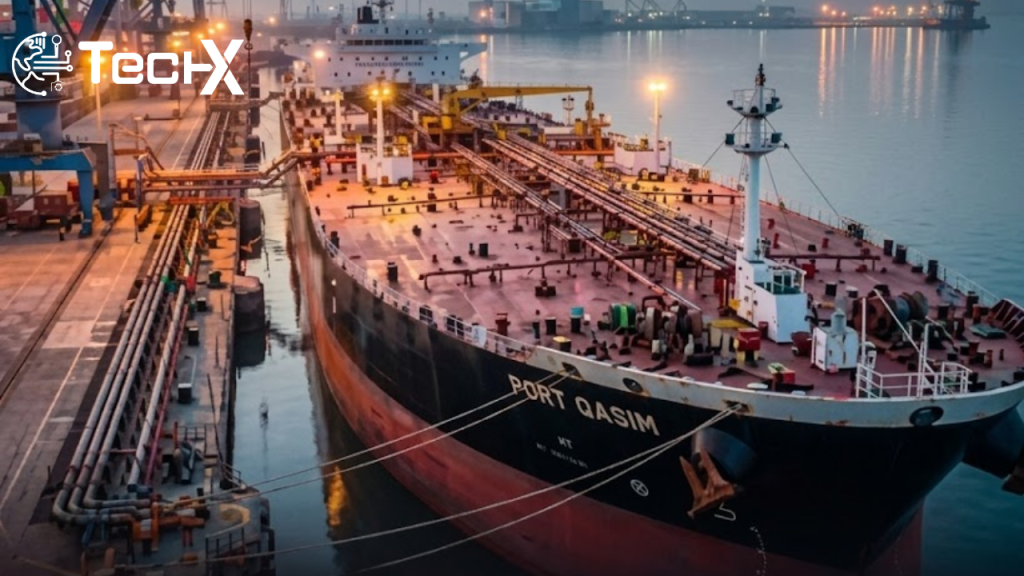
Pakistan has recently received multiple petrol and crude oil tankers at Port Qasim, helping to stabilize fuel supply amid global energy disruptions. These shipments are crucial to meet domestic demand for petrol, diesel, and crude oil, especially in light of rising international fuel prices.
Key Tankers Arriving at the Port
One of the major arrivals includes MT Nave Atropos, carrying approximately 50,000 metric tonnes of petrol to the FOTCO terminal at Port Qasim. Other vessels, such as Torm Damini, delivering around 37,000 tonnes of diesel, are scheduled to dock in the coming days. These arrivals ensure a steady supply of petroleum products for local distribution.
Importance Amid Global Energy Tensions
The timing of these shipments is significant due to supply disruptions caused by tensions around the Strait of Hormuz and other geopolitical factors. Pakistan, being heavily dependent on imported fuel, benefits from these timely deliveries, which ease fears of shortages and price spikes in the domestic market.
Port Qasim Role in Energy Imports
Port Qasim serves as one of the main gateways for Pakistan’s energy imports. Its FOTCO oil terminal is equipped to handle large crude and petroleum product tankers, ensuring that fuel can be efficiently offloaded and transported to refineries and storage facilities across the country.
Impact on Domestic Fuel Supply
The arrival of these tankers helps maintain adequate fuel reserves, ensuring continuous availability of petrol and other petroleum products. While diesel imports face challenges due to high global prices and limited supply, petrol availability has improved with the recent tanker arrivals.
Looking Ahead for Fuel Stability
Authorities continue to monitor incoming shipments and global market trends to secure Pakistan’s fuel supply. These measures are expected to prevent shortages, stabilize prices, and support energy security in the short term, ensuring that consumers and industries have access to essential petroleum products.