
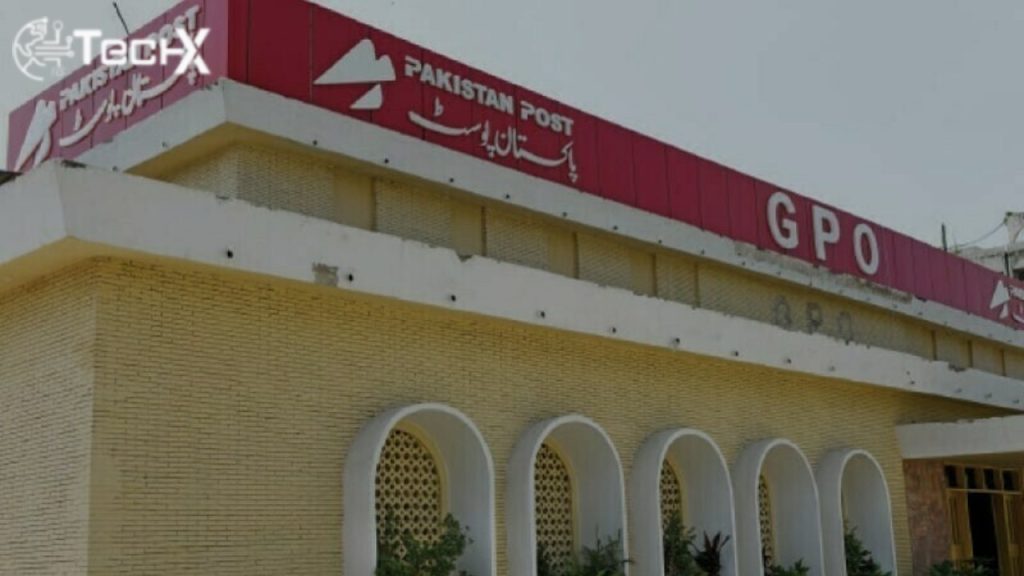
Pakistan Post and the country’s electricity distribution companies (DISCOs) have reached an agreement to transfer electricity bill printing and distribution nationwide. A senior Pakistan Post official confirmed that directives were issued to all Postmaster Generals to coordinate with DISCOs. The first-phase distribution plan must be finalized by July 25, marking a significant shift in bill delivery operations.
Decision Made in Key Meeting
The decision was finalized during a meeting held on July 17. Both parties agreed to launch the initiative as a pilot project before full-scale implementation. If successful, Pakistan Post will fully take over bill printing and delivery within six months. This phased approach ensures smooth execution while minimizing disruptions for millions of electricity consumers across the country.
Pilot Project to Test Efficiency
In the initial phase, postal staff—assisted by DISCO employees—will deliver bills in one subdivision per postal circle. This trial phase aims to identify potential flaws, inefficiencies, or system gaps before nationwide rollout. By testing the process on a smaller scale, authorities can refine logistics, workforce allocation, and delivery timelines to enhance efficiency and consumer satisfaction.
Gradual Transition for Smooth Operations
The official stated that printing and distribution responsibilities will be transferred gradually. This step-by-step transition allows Pakistan Post to adapt its workforce and infrastructure to handle the massive task efficiently. It also ensures DISCOs can monitor progress and provide necessary support during the initial stages, reducing risks of delays or errors in bill delivery.
Also Read: UBL Branches Will Now Remain Open Even on Sundays
Workforce and Route Review
To manage over 50 million residential, commercial, and agricultural consumers, Pakistan Post will review its workforce and delivery routes (postal beats). This assessment ensures sufficient manpower and optimized delivery paths for timely bill distribution. Efficient route planning will also reduce operational costs and improve service reliability, benefiting both the postal service and consumers.
Benefits of the New System
The collaboration between Pakistan Post and DISCOs is expected to streamline bill delivery, reducing delays and errors. With an extensive postal network, even remote areas can receive bills promptly. Additionally, centralizing distribution under Pakistan Post may lower administrative costs for DISCOs, potentially leading to better resource allocation and improved customer service in the long run.
Challenges and Solutions
Despite the advantages, challenges such as workforce training, logistical adjustments, and system integration must be addressed. Pakistan Post will work closely with DISCOs to resolve these issues during the pilot phase. Continuous feedback and real-time monitoring will help refine processes, ensuring a seamless transition before full implementation.
Future Prospects
If successful, this initiative could expand to include other utility bills, further enhancing Pakistan Post’s role in public service delivery. It also sets a precedent for public-sector collaborations, demonstrating how inter-departmental cooperation can improve efficiency and service quality for citizens. The next six months will be crucial in determining the project’s long-term viability.
Conclusion
The partnership between Pakistan Post and DISCOs marks a progressive step toward efficient utility bill distribution. By leveraging Pakistan Post’s widespread network, millions of consumers can expect more reliable and timely bill deliveries. The phased approach ensures thorough testing and refinement, paving the way for a smoother, more effective system in the future.