
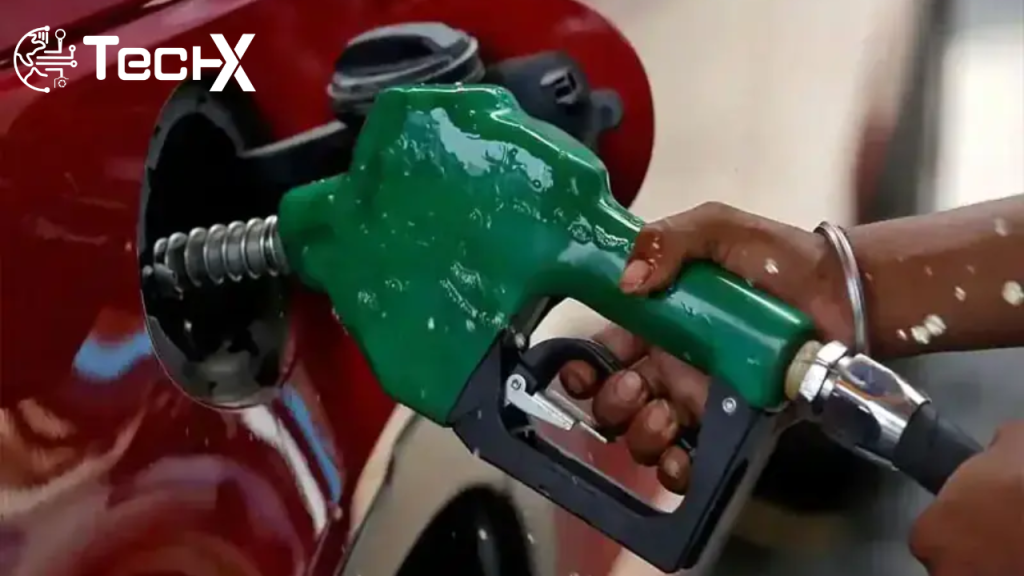
Pakistan has witnessed a significant increase in fuel prices. The government has set the new petrol price at PKR 321.17 per litre and high-speed diesel at PKR 335.86 per litre. This sharp rise in fuel rates is a major change affecting both the general public and the transport sector. Such increases directly impact the cost of living and contribute to inflation across the country.
Impact of Petrol Price Hike on the Public
The rise in petrol prices particularly affects people who rely on bikes and small vehicles for daily commuting. Many middle-class and working-class families depend heavily on petrol for their routine travel. With petrol becoming more expensive, the cost of commuting to work, school, and other daily activities also rises, putting additional pressure on household budgets.
Diesel Price and the Transport Sector
High-speed diesel is now priced at PKR 335.86 per litre, which can significantly increase transportation and logistics costs. Diesel is primarily used in buses, trucks, and heavy vehicles. When diesel prices go up, the cost of transporting goods rises, which affects prices of essential items like fruits, vegetables, and other daily commodities. This increase can ripple through the entire supply chain.
Reason for the Price Surge
The recent fuel price hike is largely due to disruptions in the global oil supply. Conflicts and tensions in the Middle East have caused major oil suppliers to reduce output or halt exports, leading to a sharp increase in international oil prices. Pakistan, being heavily dependent on imported petroleum, directly feels the impact of these global supply shortages. This supply disruption, combined with currency fluctuations, has forced domestic petrol and diesel rates to spike.
Future Implications of High Fuel Prices
The current fuel rates pose a serious challenge for both individuals and businesses. Expensive petrol and diesel increase the cost of transport, goods, and daily life, forcing people to adopt cost-saving measures such as reducing travel, carpooling, or using alternative transportation. In the coming weeks, it will be important to watch whether fuel prices stabilize or continue to rise further.