
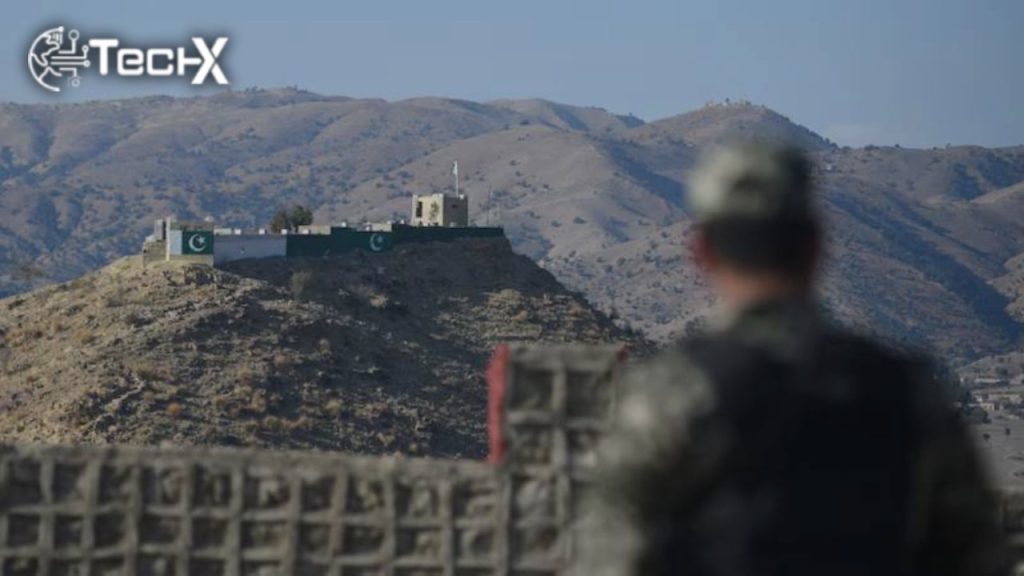
In a dramatic turn of events along the Pakistan-Afghanistan border, Pakistan has formally launched Operation Ghazab Lil Haqq, meaning “Wrath for the Truth” or “Righteous Fury.” The military campaign, announced in late February 2026, signals a major shift in strategy. Unlike previous operations focused mainly on insurgent networks such as the Tehreek-e-Taliban Pakistan (TTP), this move directly targets the military infrastructure of the Afghan Taliban regime.
Officials have described the operation as a decisive and powerful response to what they call repeated and unprovoked aggression.
Background of the Escalation
Tensions had been building for weeks before the operation began. A series of deadly attacks inside Pakistan pushed the situation to a breaking point.
On February 6, a suicide bombing at a Shiite mosque in Islamabad killed more than 30 worshippers. The tragedy sent shockwaves across the country.
On February 16, another suicide attacker targeted a security post in Bajaur, killing 11 soldiers and a child. Pakistani authorities later stated that the attacker was linked to the Afghan Taliban’s special forces.
Just days later, on February 21, a suicide bombing in Bannu claimed the lives of two soldiers, including a Lieutenant Colonel.
In response, Pakistan carried out intelligence-based airstrikes on February 22 in Afghan provinces, including Nangarhar, Paktika, and Khost. These strikes reportedly targeted hideouts of the TTP and ISIS-K. The Afghan Taliban condemned the action, calling it a violation of sovereignty and alleging civilian casualties.
The situation escalated further on February 26 when Afghan Taliban forces reportedly launched retaliatory attacks, claiming to have captured several Pakistani border outposts.
Key Details of Operation Ghazab Lil Haqq
The operation officially began late on February 26, 2026. According to Pakistan’s Ministry of Information, it represents a “crushing response” to cross-border aggression.
The clashes are concentrated in five main border sectors:
- Chitral
- Khyber
- Mohmand
- Kurram
- Bajaur
Pakistani forces are using heavy artillery, drone strikes, and support from the Pakistan Air Force to target Afghan military positions.
Reports indicate significant damage to Afghan Taliban assets, including:
- Over 30 tanks, artillery guns, and armored personnel carriers
- A large ammunition depot in Nangarhar
- Multiple battalion and sector headquarters
Casualty Figures So Far
As of February 27, the reported casualties are as follows:
| Side | Reported Fatalities | Reported Injuries |
|---|---|---|
| Afghan Taliban | At least 72 operatives killed | Over 120 injured |
| Pakistan | 2 security personnel martyred | Several wounded |
These numbers may change as the situation develops.
Current Situation Along the Border
The Durand Line remains tense and volatile. Both sides continue to exchange heavy fire. Afghan Taliban spokesperson Zabihullah Mujahid has claimed that several Pakistani posts were captured, but Islamabad has rejected these statements as propaganda.
At the Torkham border crossing, the repatriation of Afghan nationals has been temporarily halted. Families are reportedly being moved to holding centers for safety as fighting continues.
Diplomatic Efforts and Regional Impact
Before the launch of the operation, regional actors such as Turkey and Saudi Arabia had attempted to mediate and reduce tensions. However, the initiation of formal military action suggests that diplomatic efforts have stalled.
The situation remains fluid. With both nations deeply entrenched, the coming days will be critical in determining whether the conflict intensifies further or moves toward de-escalation through renewed diplomatic engagement.