
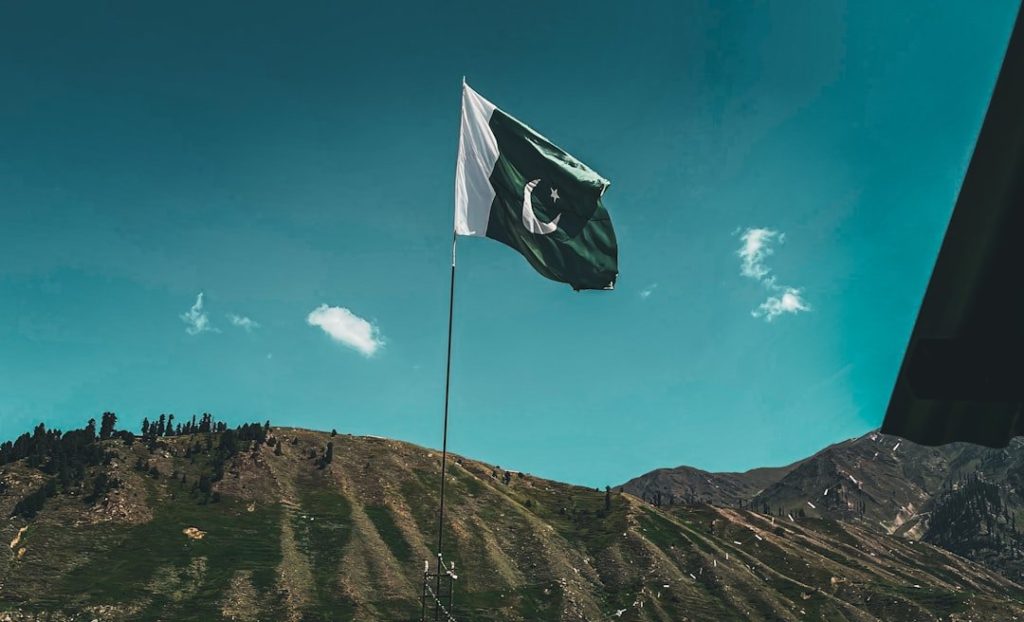
The Pakistan football team ranking is an important indicator of the national team’s performance on the international stage. Published by FIFA, the global ranking system evaluates national teams based on their results in official international matches, including FIFA World Cup qualifiers, AFC Asian Cup qualification, regional tournaments, and international friendlies. The ranking reflects not only recent performances but also the overall competitiveness of a team compared to other football nations. Alongside following FIFA rankings and international fixtures, many football enthusiasts explore dedicated online platforms such as https://sikkaro.bet/ to stay connected with the wider football community and match-day experience.
For Pakistan, the FIFA ranking has fluctuated significantly over the years due to a combination of sporting, administrative, and developmental factors. Periods of inactivity, limited international fixtures, and governance challenges have affected the team’s position, while improvements in domestic football and participation in international competitions have provided opportunities to regain valuable ranking points.
Although Pakistan is still developing its football infrastructure, the national team continues to work toward improving its standing within both Asia and the global football community. Every official match offers the chance to earn points, gain experience, and climb the FIFA rankings, making each competition increasingly important for the team’s long-term progress.
This article explores the history of the Pakistan football team ranking, explains how the FIFA ranking system works, reviews Pakistan’s current position, compares the team with other South Asian nations, and examines the key factors that could influence its future rise in the world rankings.
How the FIFA Ranking System Works
The FIFA World Ranking is calculated using a points-based system that evaluates the results of men’s national teams in official international matches. Since 2018, FIFA has used the SUM method, where points are added or deducted after each match depending on the result, the strength of the opponent, and the importance of the fixture.
In simple terms, a team can gain ranking points by winning or drawing matches, especially against stronger opponents. A team can lose points when it performs worse than expected, particularly against lower-ranked teams.
The main factors that influence FIFA ranking points include:
- Match result: win, draw, or loss.
- Strength of the opponent.
- Importance of the competition.
- Existing ranking points before the match.
- Whether the match is part of a major tournament or qualification campaign.
|
Ranking Factor |
How It Affects Points |
|
Match result |
Wins usually increase points, while losses usually reduce them |
|
Opponent strength |
Beating a higher-ranked team gives more value |
|
Match importance |
World Cup qualifiers and continental matches carry more weight than friendlies |
|
Previous points total |
The points calculation depends on both teams’ rating before the match |
|
Official status |
FIFA-recognized matches count toward the ranking |
For Pakistan, this means that regular participation in official competitions is essential. Matches in FIFA World Cup qualification, AFC Asian Cup qualification, and the SAFF Championship can have a stronger impact than friendly matches because they are more competitive and carry greater ranking value.
A consistent schedule of international fixtures gives Pakistan more chances to gain points, improve team chemistry, and gradually climb the FIFA rankings.
Ranking History
Pakistan’s FIFA ranking history has reflected the country’s football development over the past several decades. Since the introduction of the FIFA World Ranking in 1992, the national team has experienced periods of progress as well as significant declines caused by limited international activity, administrative challenges, and interruptions to domestic football.
During its most successful periods, Pakistan improved its position through positive results in regional competitions and FIFA World Cup qualifying matches. However, long gaps between official fixtures and governance issues within the Pakistan Football Federation affected the team’s ability to maintain consistent progress.
Several milestones have shaped Pakistan’s ranking history:
- Entry into the FIFA World Ranking after its introduction in 1992.
- Gradual improvements following competitive international performances.
- Ranking declines during periods of limited international competition.
- Recovery efforts after the resumption of official matches.
- Continued participation in FIFA World Cup and AFC Asian Cup qualification campaigns.
The team’s ranking has fluctuated because FIFA awards points only through official international matches. Countries that play regularly have more opportunities to earn points, while nations with fewer fixtures often struggle to improve their position.
|
Period |
Ranking Trend |
Main Reason |
|
Early FIFA Ranking Era |
Gradual development |
Regular participation in international matches |
|
Years of Progress |
Ranking improved |
Positive results in regional and qualifying competitions |
|
Periods of Decline |
Ranking dropped |
Administrative issues and fewer official matches |
|
Recent Years |
Gradual recovery |
Return to international competition and improved stability |
Although Pakistan has not yet established itself among Asia’s highest-ranked football nations, recent efforts to strengthen football governance and increase international participation provide opportunities for future improvement. Consistent performances in official competitions will be essential for achieving a higher FIFA ranking in the coming years.
Current Pakistan Football Team Ranking
Pakistan’s current FIFA ranking reflects the national team’s recent performances in official international competitions. The ranking changes after every FIFA update, with points gained or lost depending on match results, the strength of opponents, and the importance of each fixture.
Although Pakistan remains outside the top-ranked football nations in Asia, the team has shown signs of progress through increased participation in FIFA World Cup qualifiers and AFC competitions. Regular international matches provide valuable opportunities to improve both experience and ranking points.
Compared with many other Asian football nations, Pakistan is still in the rebuilding phase. Continued participation in official competitions is essential because every FIFA-recognized match offers an opportunity to earn ranking points and improve the team’s international standing.
Looking ahead, consistent performances in World Cup qualifiers, AFC Asian Cup qualification, and other official tournaments will play a major role in determining Pakistan’s future position in the FIFA World Ranking.
Factors Affecting Pakistan’s FIFA Ranking
Pakistan’s FIFA ranking is influenced by much more than simply winning or losing matches. The number of official fixtures played, the quality of opponents, and the importance of each competition all contribute to changes in the team’s position. Consistent participation in international football is one of the most important requirements for improving the ranking over time.
One of the biggest factors is the number of FIFA-recognized matches. Teams that compete regularly in qualifiers, continental tournaments, and official friendlies have more opportunities to earn ranking points than nations that play only a few matches each year.
Several key factors affect Pakistan’s FIFA ranking:
- Results in FIFA World Cup qualifiers.
- Performances in AFC Asian Cup qualification.
- Matches in the SAFF Championship.
- Number of official international fixtures played.
- Strength of opposing teams.
- Administrative stability within the Pakistan Football Federation.
- Development of domestic football and player pathways.
Performance against stronger opponents can also have a significant impact. Victories or draws against higher-ranked teams usually generate more ranking points than results against lower-ranked nations, while unexpected defeats may lead to larger point deductions.
Domestic football plays an indirect but important role as well. A competitive league, effective youth academies, and regular player development help strengthen the national team, increasing its chances of achieving better international results.
As Pakistan continues to improve its football infrastructure and participate more consistently in official competitions, the national team’s FIFA ranking has greater potential to rise. Long-term progress will depend on sustained development both on and off the pitch.
Pakistan Compared with Other South Asian Teams
Pakistan competes within the South Asian football region, where national teams regularly face one another in tournaments such as the SAFF Championship and FIFA World Cup qualification. Comparing FIFA rankings across the region provides useful insight into each country’s level of development and international competitiveness.
In recent years, India has generally been the highest-ranked South Asian team, benefiting from a more established domestic league and greater international exposure. Bangladesh, Nepal, Maldives, Bhutan, Sri Lanka, and Pakistan continue to compete closely, with rankings changing as teams earn points through official matches.
Several factors explain the differences between South Asian teams:
- Frequency of international matches.
- Strength of domestic football leagues.
- Investment in youth development.
- Coaching standards and football infrastructure.
- Performance in FIFA and AFC competitions.
While Pakistan currently trails some of its regional rivals, the gap is not impossible to close. Regular participation in official competitions, improved domestic football, and continued investment in player development can help the national team become more competitive within South Asia.
Regional tournaments remain particularly important because they provide valuable FIFA ranking opportunities while allowing Pakistan to measure its progress against neighboring football nations.
Recent Progress and Future Outlook
In recent years, Pakistan has taken important steps toward rebuilding its national football program. Greater stability within the Pakistan Football Federation, increased participation in international competitions, and renewed attention to youth development have created a stronger foundation for future progress. While climbing the FIFA rankings takes time, consistent improvement is becoming a realistic goal.
One of the biggest positives has been the return to regular international competition. Every official match gives Pakistan an opportunity to gain valuable FIFA ranking points while allowing players to gain experience against different styles of opposition.
Several developments could help improve Pakistan’s ranking in the coming years:
- More frequent participation in FIFA World Cup qualifiers.
- Better performances in AFC Asian Cup qualification.
- Continued involvement in the SAFF Championship.
- Investment in youth academies and grassroots football.
- Improved coaching education and player development.
- Stronger domestic competitions supporting the national team.
- Increased opportunities for overseas Pakistani players to contribute.
Young footballers are expected to play a key role in the team’s future. As clubs continue investing in youth development, more talented players should progress to the senior national team, increasing competition for places and improving overall squad quality.
The Pakistan Football Federation also continues to work with FIFA and the Asian Football Confederation to strengthen football governance and support long-term development. Improvements in infrastructure, coaching, and competition management will contribute not only to better performances on the field but also to higher FIFA rankings over time.
Although Pakistan still faces significant challenges, the outlook is more encouraging than in previous years. With consistent international participation, effective football administration, and sustained investment in player development, the national team has the potential to steadily climb the FIFA World Ranking and become more competitive within South Asia and across Asia.
Conclusion
The Pakistan football team ranking reflects the national team’s progress in international football and serves as an important measure of its competitiveness. Although Pakistan has faced challenges that have affected its position in the FIFA World Ranking, continued participation in official competitions and investment in football development are creating opportunities for improvement.
With stronger domestic football, effective governance, and consistent international performances, Pakistan has the potential to steadily climb the rankings and strengthen its position within South Asian and Asian football.
FAQ
What is Pakistan’s current FIFA ranking?
Pakistan’s FIFA ranking changes with each official FIFA update. Check the latest FIFA World Ranking for the most up-to-date position and points total.
What is the highest FIFA ranking achieved by Pakistan?
Pakistan has reached higher positions at various stages of its football history. The exact highest ranking should be verified using the latest official FIFA historical records.
Why is Pakistan ranked low in FIFA?
Pakistan’s ranking has been affected by limited international matches, administrative challenges, and periods of inactivity. Regular participation in official competitions is essential for improving its position.
How is the FIFA ranking calculated?
FIFA uses the SUM points system, which considers match results, the strength of opponents, and the importance of each official international fixture.
Which South Asian team has the highest FIFA ranking?
India has generally been the highest-ranked South Asian national team in recent years, although rankings change with each FIFA update.
Source of this article: https://sikkaro.bet/