
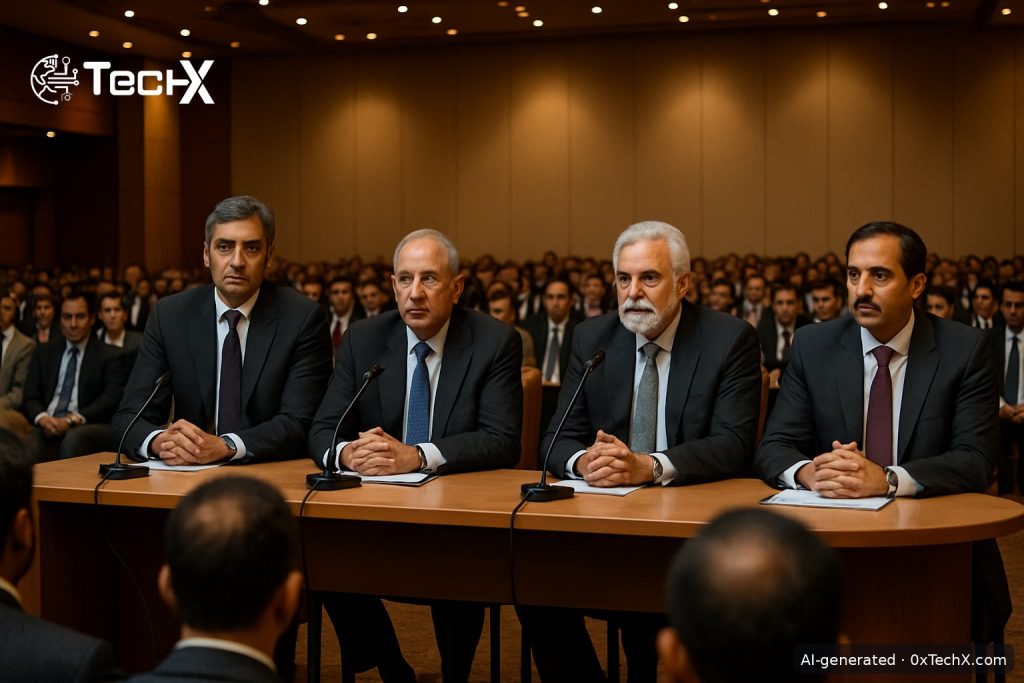
The Pakistan Fintech Forum brought all four of Pakistan’s top financial regulators onto one stage in Karachi on 2 September 2026, a moment that many in the industry had been waiting for. The State Bank, SECP, Pakistan Digital Authority and PVARA sat together under one roof, each spelling out what comes next for digital credit, payments and virtual assets. This was not a routine gathering. It was the clearest signal yet that coordinated policy action is being planned across the whole fintech stack.
What Happened at the Pakistan Fintech Forum 2026
The Pakistan Fintech Network hosted the Pakistan Fintech Forum (PFF IV), its fourth edition, at a time when the country’s digital finance sector is growing fast. The event ran under the theme ‘Building the Financial Future: Scale, Trust and Inclusion,’ and it drew regulators, bankers, fintech founders, technology firms and investors into one room.
SBP Deputy Governor Muhammad Ali Malik served as chief guest. He shared a striking number: 92 percent of all payments in Pakistan are now made digitally. Yet he was quick to say that scale alone is not the end goal. Building trust, strengthening accountability and making digital finance translate into real economic activity are the priorities now.
SECP Commissioner Imtiaz Haider spoke on expanding access to credit, calling it the next frontier of financial inclusion. Pakistan Digital Authority Chairperson Dr Sohail Munir discussed digital public infrastructure, while PVARA Chairman Bilal Bin Saqib addressed the future of digital assets. Raast Payments Pakistan CEO Ahson Saeed rounded out the lineup, giving a ground-level view of the payments infrastructure that ties it all together.
Why Four Regulators in One Room Matters
Pakistan’s fintech sector has historically operated under what feels like a split system. The SBP covers payments, banking and money movement. The SECP handles investment products, lending platforms and non-banking services. The Pakistan Digital Authority focuses on digital policy and data governance. PVARA, the newest body, regulates virtual assets under the Virtual Assets Act 2026, which formally legalised crypto-related activity in the country earlier this year. Seeing all four together at a single industry forum suggests these bodies are now talking to each other in a more structured way than before.
For fintech founders, this matters a great deal. Many startups fall under more than one regulator and have struggled to get clear answers from different offices. A shared platform, even if informal, reduces confusion and speeds up the process of getting products to market. It also reduces the risk of conflicting rules emerging from different regulators at the same time.
Digital Credit Takes Centre Stage
One of the forum’s biggest themes was digital credit. Pakistan has a large segment of its population that remains outside the formal banking system, and small businesses still rely heavily on informal lending. The regulators agreed that unlocking responsible digital credit is the clearest path to fixing this gap.
The SBP has been pushing banks and fintechs to work together on this rather than compete. SECP has been moving on alternative credit scoring and lending frameworks. With 450 fintech companies that had collectively raised $391 million in venture capital by late 2025, there is clearly private-sector appetite. The missing piece has been regulatory clarity, and that is what this forum is beginning to provide.
Virtual Assets Get a Clearer Place in the System
Pakistan enacted the Virtual Assets Act 2026 and formally set up PVARA as the dedicated licensing and supervision body for all virtual asset service providers. Banks can now open accounts for PVARA-licensed firms, something that was not possible before. PVARA has also opened its Regulatory Sandbox, giving startups a supervised space to test digital asset products before going fully live.
Pakistan is thought to have around 40 million crypto users, putting it among the highest-ranked countries for crypto adoption in the world. For years those users operated in a legal grey zone. With PVARA now active and its licensing portal open, the shift to a regulated environment is well underway. PVARA Chairman Bilal Bin Saqib speaking at the Pakistan Fintech Forum was a strong signal that the virtual asset regulator sees itself as part of the broader fintech conversation, not a separate silo.
If you want to understand how Pakistan’s digital infrastructure layer fits into this picture, our piece on the National Digital Stack launched at LEAP 2026 gives useful context on the foundations being built beneath these financial services.
What This Means for Pakistani Fintech Startups
The practical impact for startups and developers is straightforward. Regulators who share a stage and a common language are far more likely to issue guidelines that fit together. Cross-sector products, think a lending app that also handles digital assets or a payment platform that plugs into public infrastructure, become easier to build when the rules from different regulators do not conflict.
The SBP has already signalled it wants banks and fintechs to move fast on digital credit. SECP is working on open banking and alternative scoring. PVARA’s sandbox is live. The Pakistan Digital Authority is building the identity and data layer. All of these are moving at once, and the Pakistan Fintech Forum gave each body a chance to say so publicly in the same breath.


Frequently Asked Questions
What is the Pakistan Fintech Forum?
The Pakistan Fintech Forum is an annual event hosted by the Pakistan Fintech Network. The fourth edition, PFF IV, was held in Karachi on 2 September 2026. It brings together regulators, banks, fintech companies, investors and technology firms to discuss the direction of digital finance in Pakistan.
Which regulators attended the 4th Pakistan Fintech Forum?
Senior leaders from four regulators attended: the State Bank of Pakistan (SBP), the Securities and Exchange Commission of Pakistan (SECP), the Pakistan Digital Authority and the Pakistan Virtual Assets Regulatory Authority (PVARA). Raast Payments Pakistan was also represented.
What is PVARA and what does it regulate?
PVARA stands for Pakistan Virtual Assets Regulatory Authority. It was set up under the Virtual Assets Act 2026 as the body responsible for licensing, supervising and overseeing virtual asset service providers in Pakistan. All crypto exchanges and similar businesses must get a PVARA licence before operating in the country.
What does 92 percent digital payments mean for Pakistan?
The SBP Deputy Governor said at the forum that 92 percent of all payments in Pakistan are now processed digitally. This shows that basic digital adoption has happened fast. The next challenge, which regulators are focused on now, is moving beyond payments into digital credit and investment products so that more people can access financial services beyond just sending and receiving money.