
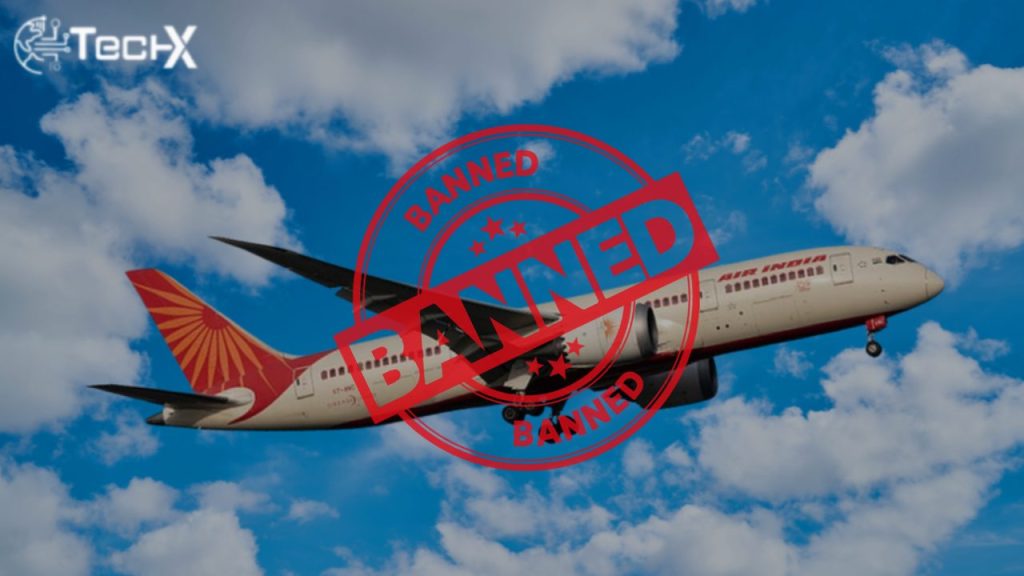
The Pakistan Airports Authority (PAA) has extended its airspace ban on Indian aircraft for another month. According to a Notice to Airmen (NOTAM), Pakistani airspace will remain closed to Indian flights until July 23, 2025. This decision continues restrictions imposed earlier this year, reflecting ongoing tensions between the two neighboring nations.
Ban Affects All Indian-Registered Aircraft
The restriction applies to all aircraft registered in India or leased by Indian operators, including commercial and military planes. The move disrupts flight operations for Indian carriers, forcing them to seek alternative routes. Pakistan’s decision follows a series of extensions since the initial ban was implemented in April 2025, signaling no immediate easing of restrictions.
Origins of the Airspace Closure
The ban was first imposed on April 24, 2025, following the Pahalgam incident, which escalated tensions between India and Pakistan. Both nations subsequently closed their airspace to each other’s aircraft, affecting regional aviation. The prolonged restrictions highlight the strained diplomatic relations and security concerns persisting between the two nuclear-armed neighbors.
Economic and Operational Impact on Airlines
Indian airlines face increased fuel costs and longer flight durations due to rerouted paths. Flights to the Middle East, Europe, and North America now require detours, adding hours to travel time. The financial burden on carriers has grown, with rising operational expenses passed on to passengers. The aviation industry continues to urge diplomatic resolutions to restore normalcy.
Also Read: Pakistan Stock Market Rises Over 6,500 Points After Iran-Israel Ceasefire
Reciprocal Measures by India
In response to Pakistan’s airspace closure, India imposed similar restrictions on Pakistani aircraft. This tit-for-tat has further strained bilateral relations, with no signs of reconciliation. The mutual airspace bans disrupt regional connectivity, affecting trade, tourism, and diplomatic engagements. Analysts warn that prolonged closures could deepen economic losses for both nations.
Diplomatic Stalemate Persists
Despite international calls for dialogue, India and Pakistan remain at odds over multiple issues, including territorial disputes and security concerns. The airspace ban reflects broader geopolitical tensions, with neither side willing to compromise. Efforts by mediators have so far failed to ease hostilities, leaving the aviation sector in limbo.
Future Prospects for Airspace Normalization
Aviation experts suggest that reopening airspace requires confidence-building measures and diplomatic breakthroughs. However, with both governments maintaining firm stances, an immediate resolution seems unlikely. The extended ban indicates a prolonged standoff, with economic and logistical repercussions for airlines and passengers alike.
Conclusion: A Lingering Crisis
The extended airspace ban underscores the deep-rooted tensions between India and Pakistan. As both nations prioritize security over connectivity, the aviation sector bears the brunt of this impasse. Until diplomatic efforts yield progress, airlines and travelers must adapt to prolonged disruptions and heightened costs. The July 23 deadline may see further extensions unless relations improve.