
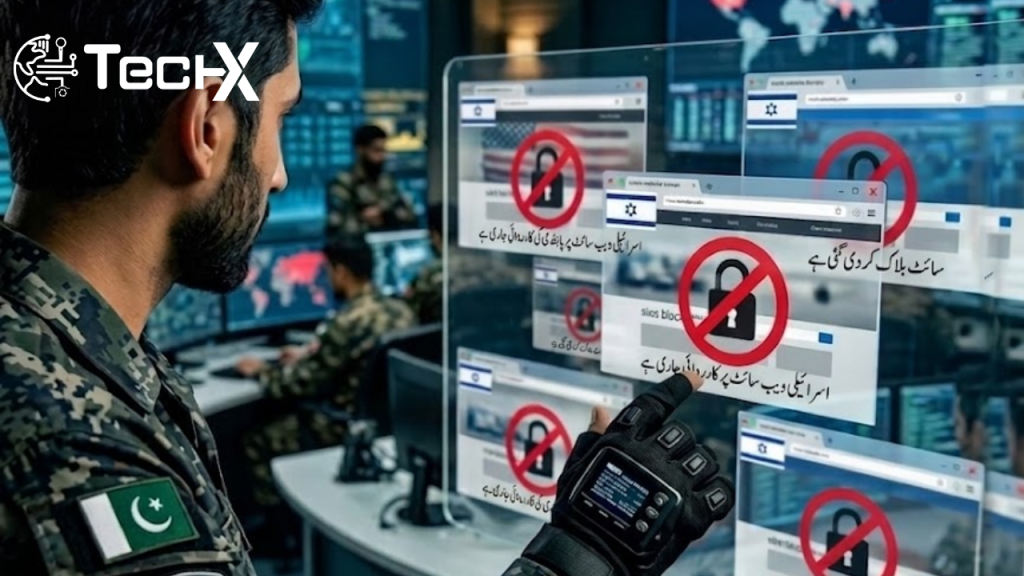
Pakistan’s National Cyber Emergency Response Team (NCERT) has officially placed all government ministries, financial institutions, and power grids on high alert. This warning comes amid credible intelligence suggesting coordinated cyber attacks including DDoS and Ransomware targeting Pakistan’s digital infrastructure. The alert is specifically timed around the anniversary of the 2025 conflict, a period traditionally associated with heightened regional tensions.
Securing Government Ministries and Digital Assets
In response to the NCERT directive, government departments have been instructed to implement immediate security protocols.
-
Strict Monitoring: 24/7 monitoring of all official servers and communication networks.
-
Access Control: Restricting external access to sensitive databases and updating firewall configurations.
-
Employee Vigilance: Advisory issued to all government staff to avoid suspicious links and report any phishing attempts immediately.
Protection of Critical National Infrastructure (CNI)
Beyond government offices, the alert extends to the nation’s “Critical Infrastructure,” which includes the energy sector, water supply systems, and telecommunications.
-
Power Grids: Technical teams are on standby to prevent any unauthorized attempts to breach industrial control systems.
-
Aviation & Transport: Digital systems for airports and railway signaling are under enhanced surveillance to ensure uninterrupted operations.
Public and Financial Sector Vigilance
The financial sector has also been warned to brace for potential disruptions. Banks have been advised to strengthen their online transaction security and inform customers about potential temporary maintenance windows. NCERT has urged the public to stay calm but remain vigilant, advising against sharing unverified information or “fake news” that could incite panic during this sensitive period.
Strategic Importance of the Marqa-e-Haq Anniversary
The anniversary of the 2025 Marqa-e-Haq carries immense national significance, symbolizing resilience and defense. However, authorities believe that “state-sponsored actors” and “hacktivists” might use this date to launch digital sabotage to dampen the national spirit. The current high-alert status is a preemptive measure to ensure that celebrations proceed smoothly without any technological or physical security breaches.