
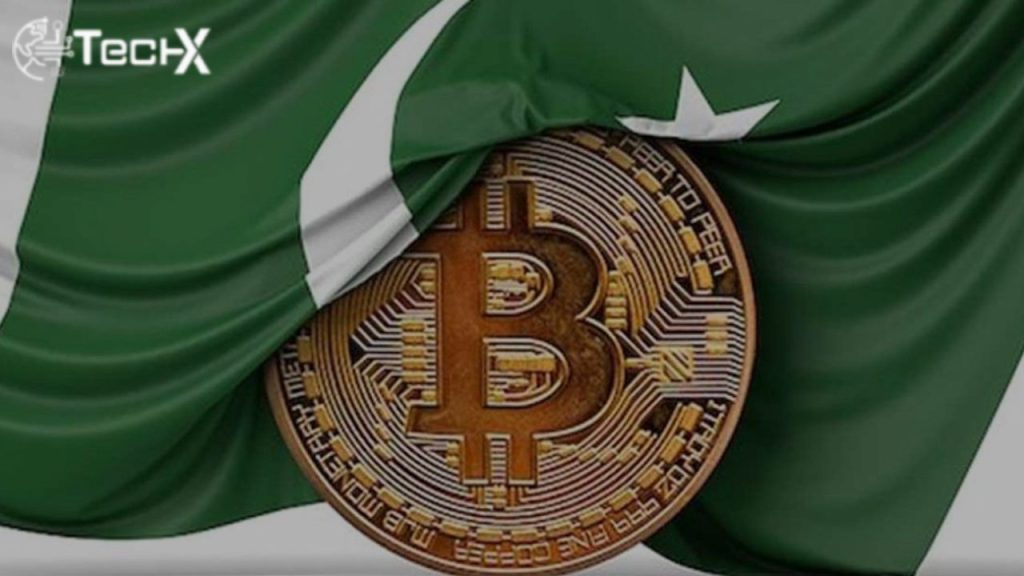
Pakistan has emerged as the 8th-largest cryptocurrency market globally, with citizens holding over $25 billion in digital assets. Surprisingly, this amount exceeds the country’s foreign exchange reserves. Despite a 2023 government ban on crypto trading, adoption has surged, with more than 25 million Pakistanis actively investing in Bitcoin and other cryptocurrencies.
Economic Instability Drives Crypto Adoption
The Pakistani rupee’s depreciation and soaring inflation have pushed citizens toward cryptocurrencies. Many see digital assets as a hedge against currency devaluation and rising prices. Crypto provides an alternative to traditional banking, allowing people to preserve their wealth. This shift highlights growing distrust in conventional financial systems amid economic uncertainty.
Government Bans Fail to Deter Crypto Growth
Despite the 2023 ban, Pakistan’s crypto market continues to expand. Citizens use peer-to-peer (P2P) platforms and VPNs to bypass restrictions. The ban inadvertently fueled innovation, with traders finding new ways to participate in the market. This resilience underscores the strong demand for digital assets, even under regulatory pressure.
New Regulatory Authority to Oversee Crypto
In July 2025, Pakistan established the Pakistan Virtual Assets Regulatory Authority (PVARA). This body aims to create clear rules for crypto trading, protecting investors and preventing fraud. Regulation could legitimize the industry, encouraging more institutional participation. The move signals a shift from outright prohibition to controlled adoption.
Energy Allocated for Bitcoin Mining and AI
Pakistan plans to dedicate 2,000 megawatts of electricity to Bitcoin mining and AI projects. This decision reflects ambitions to join the global digital economy. Mining could attract foreign investment and create jobs, boosting the economy. However, energy costs and infrastructure challenges remain key hurdles.
Crypto as a Solution for Financial Inclusion
With limited banking access, many Pakistanis rely on crypto for transactions and savings. Digital wallets enable cross-border remittances, crucial for expatriate workers. Crypto’s decentralized nature empowers the unbanked, offering financial services without traditional intermediaries. This trend could reshape Pakistan’s financial landscape.
Youth Embrace Blockchain and AI
Young Pakistanis are increasingly learning blockchain, mining, and AI skills. Educational initiatives and online courses are fueling this interest. Many see crypto and tech as pathways to lucrative careers. This tech-savvy generation could drive Pakistan’s digital transformation, positioning it as a future crypto hub.
Challenges Ahead for Crypto Regulation
While PVARA is a positive step, enforcing regulations remains difficult. Balancing innovation with consumer protection is crucial. The government must address money laundering and tax evasion risks. Clear policies will determine whether Pakistan can harness crypto’s potential responsibly.
Global Implications of Pakistan’s Crypto Boom
Pakistan’s rapid crypto adoption sets a precedent for other developing nations. If successful, regulated growth could inspire similar moves worldwide. The country’s experience offers lessons in managing digital assets amid economic instability.
Future Prospects for Pakistan’s Digital Economy
Experts believe Pakistan could become a major player in the crypto space. With proper regulation, infrastructure, and education, digital assets may drive economic growth. The world watches as Pakistan navigates this evolving financial frontier.