
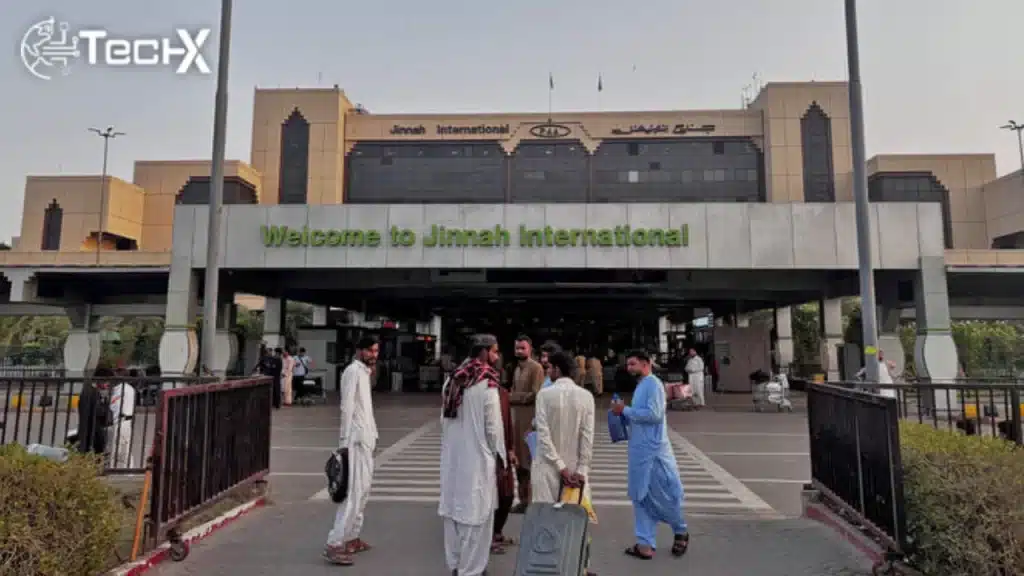
The Pakistan Airports Authority (PAA) has announced the complete reopening of Pakistan’s airspace. All flight restrictions have been lifted, allowing domestic and international operations to resume. The decision, effective immediately, follows a temporary closure due to security concerns. Airlines and passengers can now expect normal operations across all airports in the country.
Precautionary Closure Amid Military Tensions
The airspace was temporarily closed as a precautionary measure amid escalating regional tensions. Authorities prioritized national security, leading to flight suspensions until May 11. The move aimed to mitigate risks during heightened military activity. Passengers faced delays and cancellations, but officials assured the closure was necessary. The restoration signals a de-escalation of tensions, allowing aviation activities to return to normal.
Statement from Pakistan Airports Authority
In an official statement, the PAA confirmed the airspace reopening, emphasizing full operational readiness. The spokesperson stated that all airports are now secure for flight movements. Airlines have been notified to adjust schedules accordingly. The decision reflects improved security assessments and coordination with defense authorities. Travelers are advised to check with airlines for updated flight information.
Also Read: PIA Issues Travel Advisory Amid Rising Tensions With India
Impact on Domestic and International Travel
The airspace closure disrupted numerous flights, affecting both domestic and international travel. Major airlines rerouted or canceled services, causing inconvenience. With restrictions lifted, operations are expected to stabilize swiftly. Aviation authorities are working to minimize further disruptions. Passengers stranded due to the closure can now rebook flights without additional restrictions.
Regional Stability and Aviation Safety
The reopening follows a ceasefire agreement, easing regional tensions. Aviation experts highlight the importance of airspace security during conflicts. Pakistan’s decision to close and later reopen airspace aligns with global safety protocols. The restoration is a positive step for regional connectivity. Airlines operating in South Asia will benefit from normalized flight paths.
Economic Implications for the Aviation Sector
Flight suspensions had financial repercussions for airlines and airports. Prolonged closures could have worsened economic losses. The swift reopening helps mitigate revenue impacts. Pakistan’s aviation sector is crucial for trade and tourism, making stability vital. Industry stakeholders welcome the decision, anticipating a quick recovery in flight operations.
Passenger Advisory and Future Precautions
Authorities urge passengers to monitor flight updates as operations normalize. While security measures remain stringent, no further disruptions are expected. Travelers should confirm schedules before heading to airports. The PAA assures continuous coordination with airlines to ensure smooth services. Future airspace closures will depend on security assessments.
Conclusion: A Step Toward Normalcy
The airspace reopening marks a return to stability for Pakistan’s aviation industry. The precautionary closure underscored security priorities, while the restoration reflects improved conditions. Airlines and passengers can now resume travel plans with confidence. The move also signals regional de-escalation, fostering safer skies for all.