
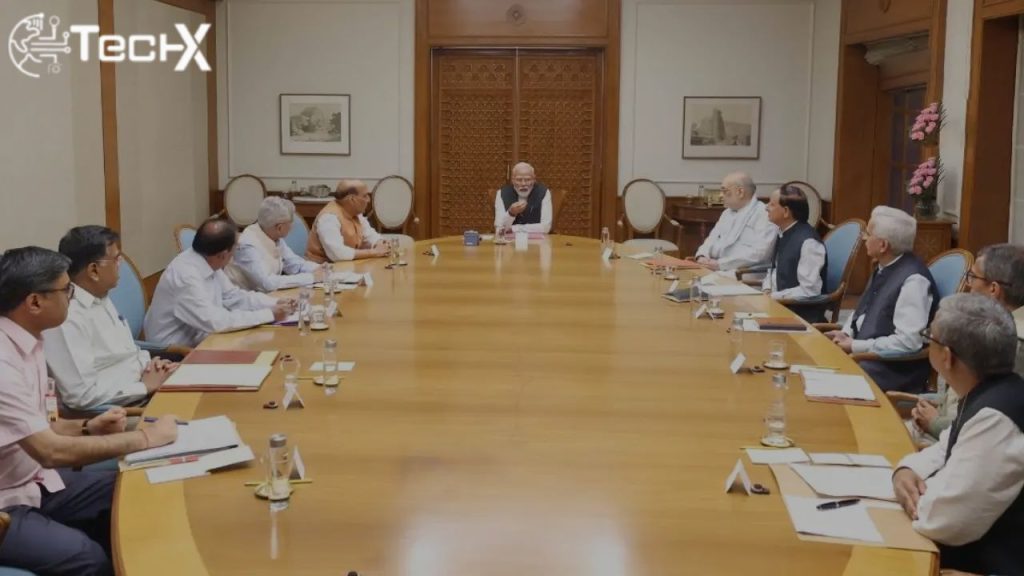
Following the deadly Pahalgam terror attack, Jammu & Kashmir, India has taken stringent measures against Pakistan. Foreign Security Advisor Vikram Misri announced that all Pakistani nationals must leave India within 48 hours. Additionally, visas for Pakistani citizens under the SAARC Visa Exemption Scheme (SVES) stand canceled immediately. The decision comes after a high-level Cabinet Committee on Security (CSS) meeting.
CSS Condemns Attack, Announces Tough Measures
The CSS, chaired by PM Narendra Modi, condemned the April 22, 2025, attack that killed 25 Indians and one Nepali. Misri stated that global leaders expressed solidarity, condemning the terror strike. The CSS noted cross-border involvement, linking the attack to disrupt J&K’s post-election stability. In response, India banned Pakistani nationals from entering under SVES and revoked existing visas.
Pakistani Diplomats Given Deadline to Exit
India declared Pakistani defence, naval, and air advisors in New Delhi as persona non grata, giving them a week to leave. Simultaneously, India will withdraw its defence advisors from Islamabad. Both high commissions will reduce staff from 55 to 30 by May 1, 2025. This move aims to curb espionage and diplomatic misuse linked to terrorism.
SAARC Visa Exemption Scheme Suspended for Pakistan
The SAARC Visa Exemption Scheme previously facilitated travel among member nations, including Pakistan. However, India has now barred Pakistani citizens from using SVES visas. Business visas for SAARC nations remain, but Pakistanis are excluded. The India Business Card, aiding expedited immigration for SAARC businessmen, will no longer apply to Pakistani nationals.
Global Support for India’s Counter-Terrorism Stance
Misri highlighted international backing for India’s actions, with nations condemning the Pahalgam attack. The CSS reiterated zero tolerance for terrorism, vowing to bring perpetrators and sponsors to justice. Enhanced security vigilance was ordered across India, particularly in border regions. The measures reflect India’s firm stance against cross-border terrorism.
Economic and Diplomatic Fallout Expected
The expulsion of diplomats and visa bans may escalate India-Pakistan tensions. Trade and travel between the nations, already limited, will face further restrictions. Analysts warn of diplomatic strain, but India remains resolute in prioritizing national security. The CSS emphasized that economic progress in J&K will not be derailed by terror threats.
Also Read: Pakistani Umrah Pilgrims Die in Bus Accident in Saudi Arabia
Pakistan’s Response and Escalating Tensions
Pakistan has condemned India’s decision, calling it an “overreaction” and warning of diplomatic consequences. Islamabad may retaliate by expelling Indian diplomats or imposing similar travel bans. Experts fear further deterioration in bilateral relations, which have been strained since the 2019 Pulwama attack. The move could also impact backchannel peace talks, pushing reconciliation further out of reach.
Impact on SAARC and Regional Cooperation
India’s suspension of SVES for Pakistan raises questions about SAARC’s future. The bloc, already weakened by geopolitical disputes, may face further dysfunction. Other member nations, including Bangladesh and Nepal, have expressed concern but stopped short of criticizing India. With SAARC summits stalled since 2016, the latest developments could deepen the divide, pushing India to focus on alternative regional forums.
Security Measures Intensified in Jammu & Kashmir
Following the Pahalgam attack, security forces have launched counter-terror operations across J&K. Increased drone surveillance, checkpoints, and intelligence-sharing have been implemented. The government has also accelerated the deportation of illegal immigrants with suspected links to terror groups. Residents have been urged to remain vigilant, while tourists are being reassured of enhanced safety protocols in popular destinations like Pahalgam.
Public and Political Reactions in India
The opposition has largely backed the government’s tough stance, calling for stronger anti-terror policies. However, some leaders have cautioned against escalating tensions without concrete evidence of Pakistan’s direct involvement. Meanwhile, public sentiment remains strongly in favor of decisive action, with social media campaigns demanding justice for the victims. Families of the deceased have called for swift retribution against the attackers.
International Mediation and Diplomatic Channels
The U.S., Russia, and EU have offered to mediate, but India has rejected third-party intervention, insisting on bilateral resolution. The UN has urged restraint, while China a key ally of Pakistan has called for dialogue. India maintains that Pakistan must first dismantle terror infrastructure before any talks can resume. Global intelligence agencies are monitoring potential retaliatory strikes or further terror plots.
Conclusion: Pahalgam Terror Attack
India’s decisive actions post-Pahalgam attack signal a hardened approach toward Pakistan-sponsored terrorism. By expelling diplomats, banning visas, and reducing diplomatic presence, India aims to isolate terror networks. The global community’s support strengthens India’s position as it seeks justice for the victims and safeguards its sovereignty. Further measures may follow if cross-border terrorism persists.