
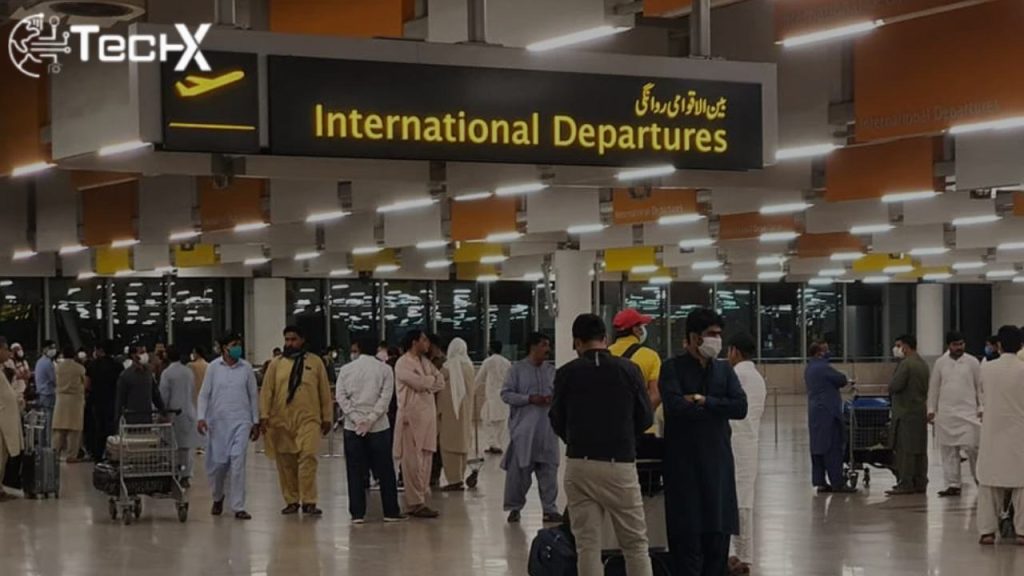
Official data reveals that 172,144 Pakistanis left the country in the first quarter of 2025 for overseas employment. The Bureau of Immigration and Overseas Employment (BI&OE) reported this significant migration trend, highlighting the growing reliance on foreign job markets. Nearly 100,000 of these individuals were classified as general laborers, indicating a demand for low-skilled workers abroad.
Saudi Arabia Tops Destination List
Saudi Arabia remained the most preferred destination, attracting 121,190 Pakistani workers. Oman followed with 8,331 migrants, while the UAE employed 6,891. Qatar also saw a substantial influx, with 12,989 Pakistanis securing jobs. Bahrain recorded 939 workers, reflecting the Gulf region’s continued appeal. These countries offer employment in construction, hospitality, and other labor-intensive sectors.
Other Notable Employment Hubs
Beyond the Gulf, Pakistanis migrated to diverse locations. The UK welcomed 1,454 workers, while Turkiye, Greece, and Malaysia employed 870, 815, and 775 individuals, respectively. China, Azerbaijan, Germany, and the US also featured prominently. This global spread underscores the varied opportunities available, from skilled trades to professional roles, catering to Pakistan’s diverse workforce.
Pakistani Workers Migrated Abroad (Jan-Mar 2025)
| Destination Country | Number of Migrants |
|---|---|
| Saudi Arabia | 121,190 |
| Qatar | 12,989 |
| Oman | 8,331 |
| United Arab Emirates (UAE) | 6,891 |
| United Kingdom (UK) | 1,454 |
| Bahrain | 939 |
| Turkiye (Turkey) | 870 |
| Greece | 815 |
| Malaysia | 775 |
| China | 592 |
| Azerbaijan | 350 |
| Germany | 264 |
| United States (USA) | 257 |
| Italy | 109 |
| Japan | 108 |
Key Takeaways:
- Saudi Arabia remained the top destination, absorbing 70% of total migrants.
- Gulf countries (Saudi Arabia, Qatar, UAE, Oman, Bahrain) accounted for over 150,000 workers.
- European and East Asian countries attracted smaller but notable numbers.
Alos Read: Pakistani Umrah Pilgrims Die in Bus Accident in Saudi Arabia
Breakdown of Professions
The majority of emigrants (99,139) were general laborers, indicating a high demand for unskilled work. Skilled laborers included 38,274 drivers, 1,859 masons, and 2,130 electricians. Additionally, 1,689 cooks, 3,474 technicians, and 1,058 welders found jobs abroad. This distribution highlights the importance of vocational skills in international labor markets.
Migration of Professionals
Highly qualified Pakistanis also sought opportunities abroad, with 849 doctors and 1,479 engineers relocating. Additionally, 390 nurses and 436 teachers secured foreign employment. This trend raises concerns about brain drain, as professionals leave for better prospects. However, authorities argue that overseas workers contribute to Pakistan’s economy through remittances and skill development.
Army Chief’s Perspective on Brain Drain
Army Chief General Asim Munir addressed the issue at the Overseas Pakistanis Convention, rejecting the term “brain drain.” Instead, he called it “brain gain,” praising expatriates as national ambassadors. He emphasized their role in showcasing Pakistan’s talent and resilience globally. His remarks aimed to boost morale, urging overseas workers to take pride in their contributions to the country’s reputation.
Economic Implications of Emigration
The mass departure of workers has mixed economic effects. Remittances from overseas Pakistanis strengthen the national economy, but the loss of skilled professionals poses long-term challenges. Policymakers must balance these factors by creating domestic opportunities while supporting expatriates. Strengthening vocational training and improving local job markets could reduce dependency on foreign employment.
Future Trends in Labor Migration
If current trends continue, Pakistan’s labor export will remain vital for economic stability. The government must negotiate better employment terms with host countries and ensure worker welfare. Additionally, incentivizing professionals to return with enhanced skills could turn migration into a sustainable development strategy. The focus should be on transforming challenges into opportunities for national growth.
Conclusion
The first quarter of 2025 saw over 172,000 Pakistanis seeking jobs abroad, reflecting persistent economic challenges. While labor migration supports households through remittances, retaining skilled talent remains crucial. By reframing emigration as “brain gain,” Pakistan can harness its diaspora’s potential while addressing domestic employment gaps for a more balanced future.