
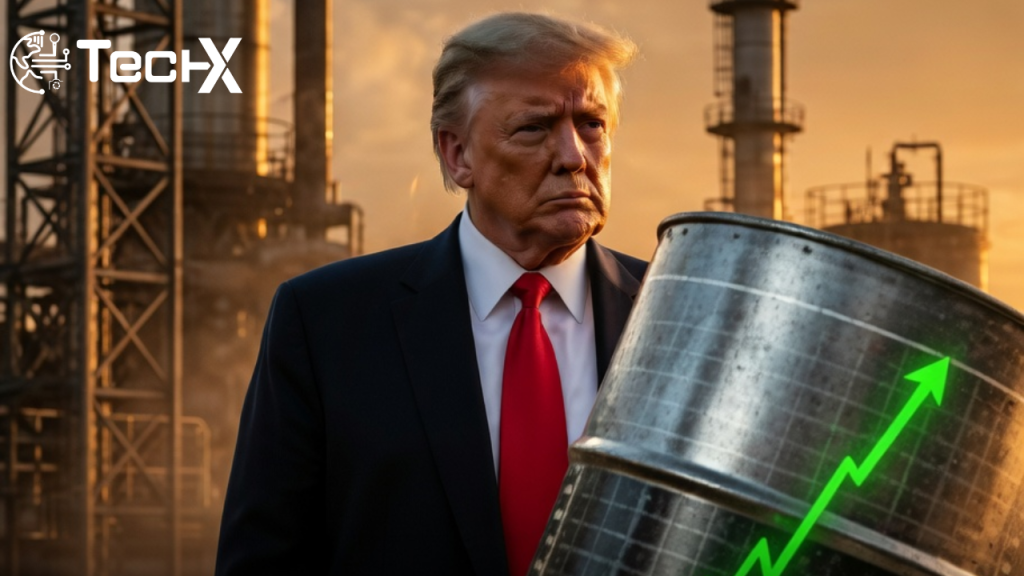
Crude oil prices worldwide have recently surged past $115 per barrel. The increase is linked to rising tensions between the United States and Iran, raising concerns about possible disruptions in oil supply from the Middle East.
Brent and WTI Benchmarks
Brent crude, the main international benchmark, crossed $115 per barrel, while West Texas Intermediate (WTI) rose to around $112–$113 per barrel. These price movements reflect global worries over potential supply risks from the conflict-affected regions.
Geopolitical Risk Factor
The market has added a “geopolitical risk premium” to oil prices, accounting for the chance of disruptions in shipping and exports. The Strait of Hormuz, a vital route for global oil trade, is particularly sensitive to conflicts in the region.
Global Market Reaction
Stock markets in Asia and Europe reacted negatively as investors factored in economic uncertainty caused by tensions. Rising oil prices may also contribute to higher costs of goods and transport in countries that import oil.
Main Causes of Price Surge
- Rising geopolitical tensions between the US and Iran.
- Risk of disruptions in Middle Eastern oil exports.
- Tight global supply combined with steady demand.
Economic Implications
Higher crude prices can lead to increases in fuel, transport, and commodity costs. Energy-importing countries may face inflationary pressures, affecting households and businesses alike.
Future Outlook
Analysts suggest that oil prices may stay volatile as long as the US-Iran tensions continue. Any escalation could push prices higher, while diplomatic solutions may stabilize the market.
Conclusion
The rise of crude oil above $115 per barrel illustrates how geopolitical issues can directly influence global energy markets. Governments, businesses, and consumers need to watch these developments carefully as they affect fuel costs and economic stability.