
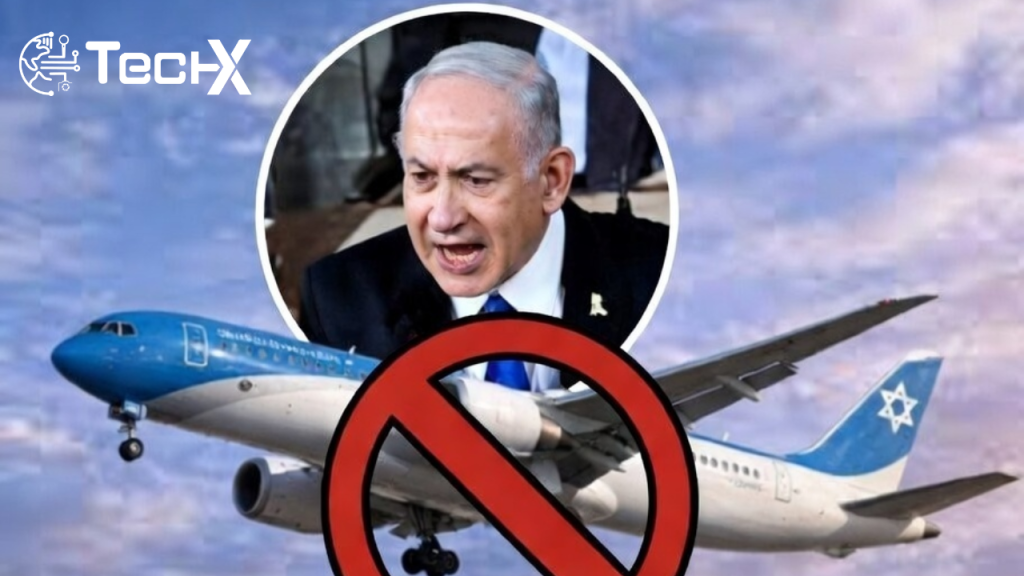
The International Criminal Court (ICC) issued an arrest warrant for Israeli Prime Minister Benjamin Netanyahu over allegations related to the Gaza war. This decision drew global attention and sparked discussions about international law and accountability. Many countries that are members of the ICC are expected to cooperate with the court and follow its legal rulings when such warrants are issued.
Role of Nordic Countries
The five Nordic countries Norway, Sweden, Denmark, Finland, and Iceland are all members of the ICC. Because of their membership, they are generally obligated to enforce the court’s decisions if a wanted individual enters their territory. This means authorities could be required to detain such individuals if they land within their borders.
Airspace vs Territory
There has been confusion online regarding whether these countries would arrest Netanyahu if his plane simply flew through their airspace. In reality, international aviation laws usually distinguish between entering a country’s territory and merely passing through its airspace. Arrest actions typically apply if the individual lands in the country rather than just flying over it.
Possible Travel Routes
Even with the ICC warrant, Netanyahu could still travel to countries that are not members of the ICC. For example, the United States is not part of the ICC system, which means it is not legally bound to enforce the court’s arrest warrants. Therefore, travel to places like New York City could still be possible depending on the flight path chosen.
Political and Legal Implications
This situation highlights the complex relationship between international law, diplomacy, and global politics. While ICC member states have legal responsibilities, the actual enforcement of arrest warrants often depends on political decisions and diplomatic considerations. As a result, such cases continue to generate debate about how international justice should function in practice.