
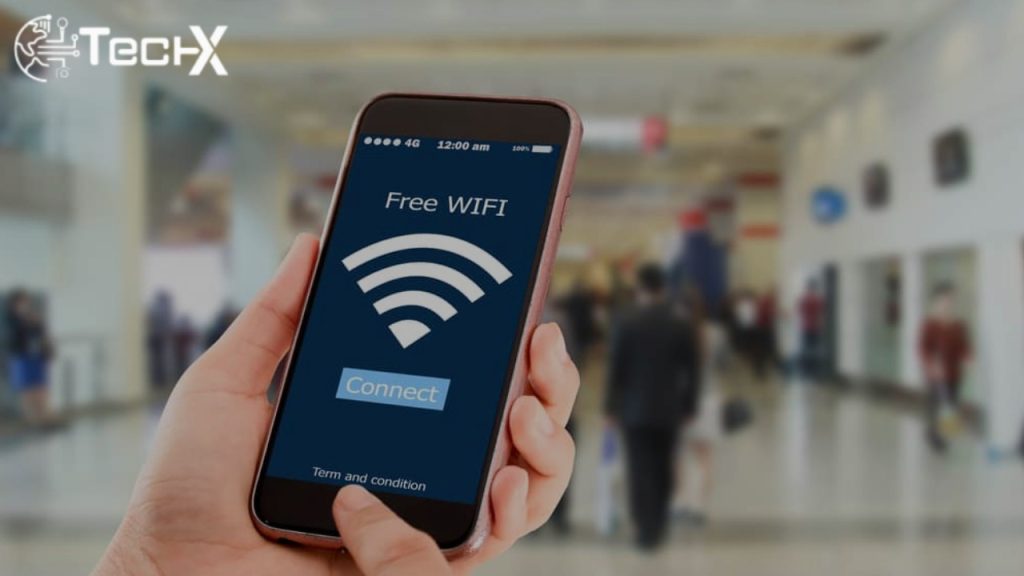
The Punjab government has taken a significant step to bridge the digital divide by expanding Lahore’s free public Wi-Fi service. This initiative is not just limited to Lahore, it will now cover 300 locations across 11 districts in Punjab, ensuring more people have access to the internet.
What’s even more exciting is the adoption of Wi-Fi 6 technology, promising faster speeds and better connectivity. So far, 18 million people have benefited from this service, consuming a whopping 438 white data (a term often used to describe free or subsidized data).
But before you rush out to binge-watch videos or scroll endlessly on social media, there’s a catch, this service is meant for essential use only. So, if your home Wi-Fi is down, here’s what you should (and shouldn’t) do.
Don’t Just Sit Outside Using Free Wi-Fi All Day
It might be tempting to camp outside a public Wi-Fi hotspot to stream movies or browse Instagram, but that’s not the purpose of this service. The government has set up these connections to help people with:
- Online education (students accessing lectures and study materials)
- Job searches and work-related tasks
- Important communications (emails, official work, etc.)
- Digital payments and banking
If you’re thinking of using it for heavy downloads or entertainment, you might be disappointed the network is optimized for essential services, not high-bandwidth activities.
Also Read: Kia Introduces Installment Plans for Stonic and Picanto
What Should You Do Instead?
Since public Wi-Fi isn’t meant for leisure, here are two productive things you can do when your home internet isn’t working:
1. Visit a Library or Co-Working Space
Many libraries and co-working hubs offer free or affordable Wi-Fi with better stability. Plus, these places provide a quiet environment where you can:
- Study or work without distractions
- Access books and digital resources
- Network with professionals or students
2. Use Mobile Data for Urgent Tasks
If you need to send an important email or attend a quick online meeting, consider using mobile data instead of relying on public Wi-Fi. Many telecom providers offer affordable data bundles for short-term use.
The Bigger Picture: Digital Inclusion
The Punjab government’s initiative is a step towards digital inclusion, ensuring that even those without home internet can stay connected for essential tasks. However, users must respect the purpose of this service, it’s not a replacement for home broadband.
If you’re frustrated with your home Wi-Fi, instead of spending hours outside a public hotspot, consider:
- Contacting your ISP to fix connectivity issues
- Upgrading your router for better performance
- Using alternative solutions like mobile hotspots
Final Advice: Use Public Wi-Fi Wisely
Public Wi-Fi is a privilege, not an entitlement. If you must use it, do so responsibly:
✔ Avoid logging into sensitive accounts (banking, personal emails)
✔ Don’t stream or download large files save that for home Wi-Fi
✔ Be mindful of time let others access the service too
So, the next time your home Wi-Fi fails, don’t just sit outside all day. Instead, use public Wi-Fi for what it’s meant for important tasks and explore other options for entertainment and heavy usage.