
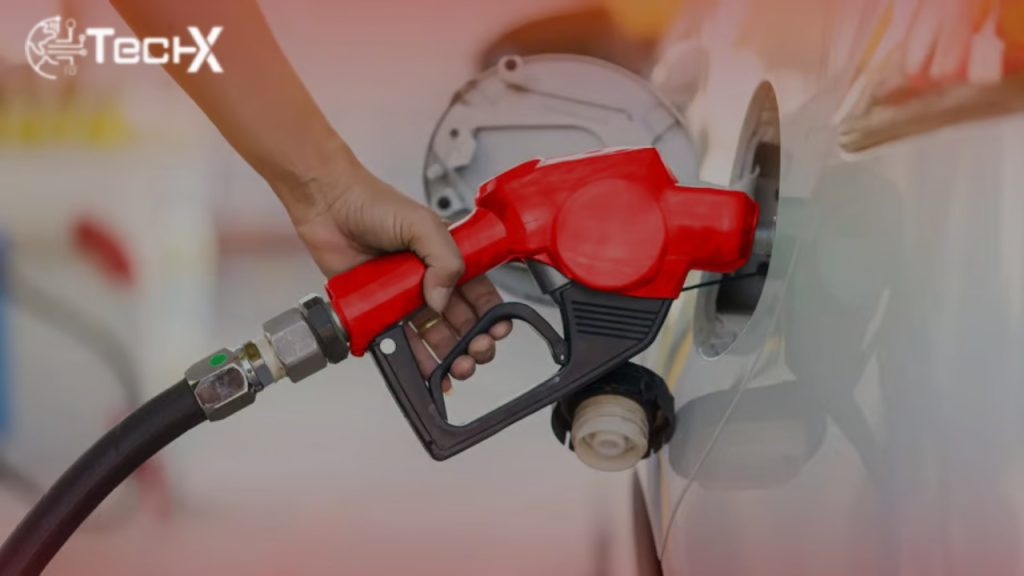
The government of Pakistan has decided to maintain petrol prices at Rs 264 per litre for the next fortnight, starting August 16. This decision comes despite fluctuations in global oil markets. The unchanged rate provides relief to consumers amid rising inflation. Authorities cited stable international crude oil prices as the reason for keeping petrol costs steady.
Significant Reduction in Diesel Prices
High-speed diesel (HSD) prices have been reduced by Rs 12.85 per litre, bringing the new rate to Rs 274.08. This cut follows a decline in global oil prices, offering relief to transport and agricultural sectors. Diesel is widely used in heavy vehicles and machinery, making this reduction crucial for lowering operational costs. The previous price stood at Rs282.83 per litre.
Global Oil Market Trends
West Texas Intermediate (WTI) crude oil futures dropped to $62.7 per barrel, the lowest in over two months. The International Energy Agency predicts a growing oil surplus in 2025 and 2026, leading to lower prices. Global inventories are expected to reach a 46-month high by June 2026. These projections align with US government forecasts, influencing Pakistan’s fuel pricing strategy.
Impact of US Oil Production
US oil production is projected to peak in 2025 before declining in 2026 due to improved well efficiency. This trend contributes to the global oil surplus, further stabilizing prices. Reduced production costs and increased supply have eased pressure on fuel prices worldwide. Pakistan’s pricing adjustments reflect these international market dynamics, benefiting local consumers.
Conclusion
The latest fuel price revision brings relief to diesel users while keeping petrol costs steady. Global oil trends, including surplus forecasts and US production shifts, play a key role in shaping domestic prices. Consumers can expect continued stability if international markets remain favorable. The government’s fortnightly reviews ensure adjustments align with global economic conditions.