

New research shows that new blood tests for Alzheimer’s disease might help doctors find the illness earlier and make research easier. This information was shared at the Alzheimer’s Association International Conference® (AAIC®) 2024 in Philadelphia and online.
Dementia often isn’t found early, and many people don’t know they have it. The 2024 Alzheimer’s Disease Facts and Figures report says this is a big problem. Blood tests for Alzheimer’s could make it easier to diagnose the disease and join research or get treatment.

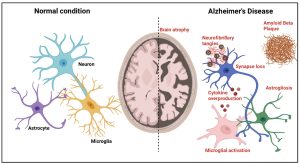
These blood tests check a protein called p-tau. This protein builds up before Alzheimer’s symptoms show up. Higher p-tau217 levels are linked to worsening brain function and brain shrinkage. This test can also predict amyloid plaques in the brain, which are another sign of Alzheimer’s and a target for new treatments.

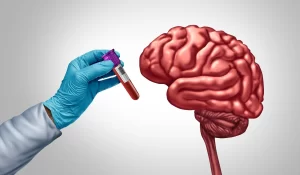
Maria C. Carrillo from the Alzheimer’s Association said that new blood tests might help doctors find Alzheimer’s better and find people to join studies. If these tests are very accurate and available everywhere, they could change how Alzheimer’s is diagnosed. For now, doctors should use both thinking tests and blood tests. Blood tests might help find Alzheimer’s earlier and get treatments sooner.
APS2 Test Shows 90% Accuracy in Alzheimer’s Detection
The Alzheimer’s Association is making new rules for using blood tests. They will show these new rules at the AAIC 2024 meeting.
A big study at AAIC 2024 showed that blood tests can be better than old methods. The study tested 1,213 people with the PrecivityAD2 test (APS2). This test checks special proteins in the blood and did better than both regular doctors and specialists.
In memory clinics, APS2 was about 90% accurate in detecting Alzheimer’s. Specialists were 73% accurate. In primary care settings, APS2 was also about 90% accurate, while primary care physicians were 63% accurate.
The APS2 test worked well even with patients who had other health issues, like kidney disease. These conditions are common in older patients.
Sebastian Palmqvist, M.D., Ph.D., from Lund University, said the test’s accuracy was impressive. The blood samples were shipped bi-weekly, similar to routine practice. Older patients often have conditions that can affect p-tau217 levels.
Oskar Hansson, M.D., Ph.D., also from Lund University, called this a big step forward. He emphasized the need for Alzheimer’s biomarkers to improve diagnosis. The next steps involve setting clear guidelines for using blood tests in practice. The goal is to start with specialist care and then expand to primary care.
To read our blog on “LEQEMBI: An alzheimer’s drug approved in the U.S,” click here