
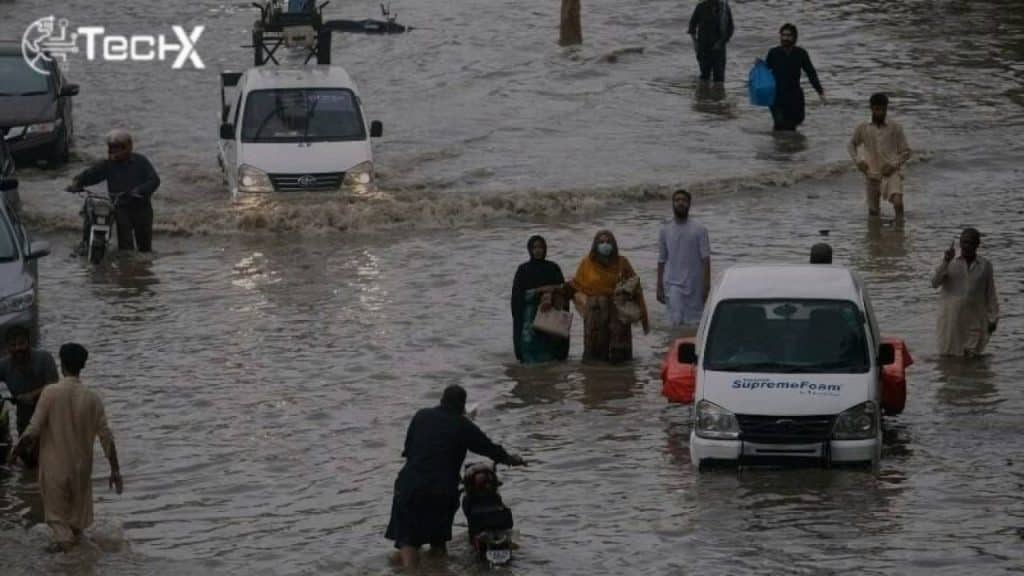
The National Disaster Management Authority (NDMA) has issued a warning regarding moderate to heavy monsoon rains from July 13 to 17, 2025. The National Emergency Operation Center (NEOC) forecasts significant rainfall due to moisture inflow from the Bay of Bengal and the Arabian Sea. Residents in vulnerable areas must prepare for potential flooding and follow official advisories to ensure safety.
Rising River Levels Pose Threat
The Indus, Kabul, Jhelum, and Chenab rivers are expected to experience increased water flow. Tarbela, Taunsa, and Guddu barrages are currently at low flood levels, while Kalabagh and Chashma face medium flood risks. Taunsa may also reach medium flood levels. Authorities are monitoring the situation closely, urging communities near riverbanks to remain alert for sudden surges.
Flood Risks in Key Regions
River Chenab at Marala and Khanki may reach low flood levels, while River Kabul at Nowshera could also rise. The Swat and Panjkora rivers, along with associated streams, may swell due to heavy rains. In Balochistan, districts like Jhal Magsi, Kachhi, and Sibi could experience high water flow. Flash flooding is also possible in Khuzdar, Awaran, Lasbela, and Qalat.
Torrential Flows Expected in Punjab
D.G. Khan and Rajanpur torrents may reactivate with medium to high flows. Northeastern Balochistan and central Punjab face heightened risks. District administrations are advised to prepare dewatering equipment to manage water accumulation. Residents should avoid low-lying areas and relocate to safer locations if necessary. Emergency response teams are on standby to assist affected populations.
Dam Storage Levels Monitored
Tarbela Dam is currently at 74% storage capacity, while Mangla Dam stands at 44%. Authorities are regulating water releases to prevent overflow. However, continuous rainfall may increase pressure on these structures. The NDMA emphasizes the need for real-time monitoring and public cooperation to mitigate flood risks effectively.
Precautionary Measures for Residents
Communities near rivers and streams must stay vigilant, especially during heavy rainfall. Identifying safe evacuation routes and securing belongings is crucial. Livestock and vehicles should be moved to higher ground. Emergency kits containing food, water, and medicines for 3-5 days must be prepared. Following official updates via TV, radio, and the Pak NDMA Disaster Alert app is essential.
Avoiding High-Risk Areas
The public is urged to avoid crossing flooded roads, low bridges, and causeways. Fast-moving water can be deceptive and dangerous. Children should be kept away from swollen streams. Local authorities may issue evacuation orders if necessary; compliance is vital for safety. Emergency helplines should be saved for immediate assistance during crises.
NDMA’s Coordination Efforts
The NDMA is working with provincial disaster management authorities, meteorology departments, and local administrations. Real-time data sharing ensures timely warnings and responses. Rescue teams and relief supplies are being pre-positioned in high-risk zones. Citizens are encouraged to report emergencies promptly to designated authorities for swift action.
Conclusion: Stay Informed and Prepared
With heavy monsoon rains expected, proactive measures can save lives and property. The NDMA’s alerts aim to minimize risks, but public cooperation is crucial. Staying informed, avoiding flood-prone areas, and adhering to official instructions will enhance community resilience. Let’s work together to navigate this weather challenge safely and effectively.