
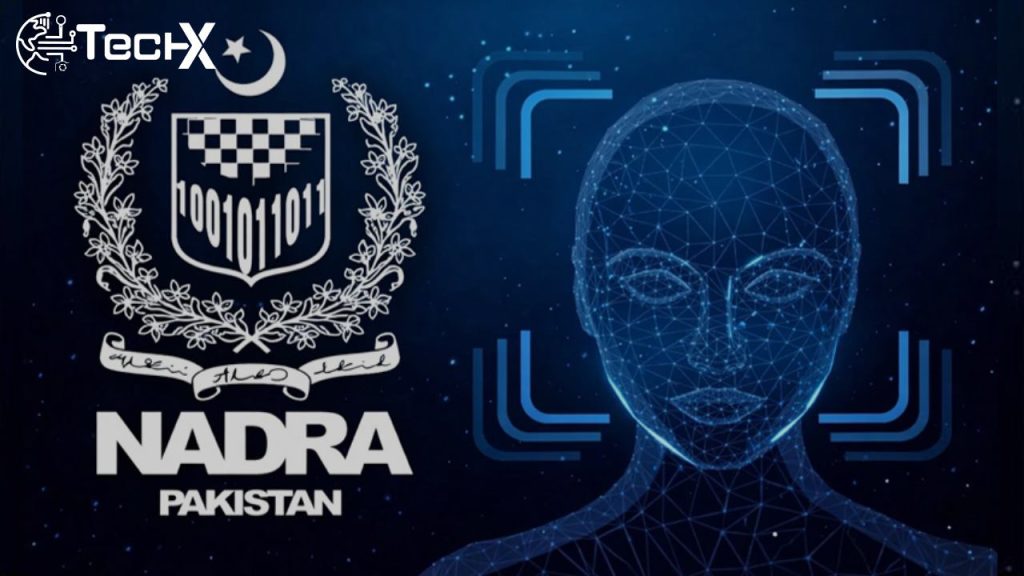
The federal government, along with NADRA, has officially updated the National Identity Card Rules to expand the meaning of biometrics. From now on, facial and iris scans are legally accepted as valid biometric identity methods, just like fingerprints. This critical step builds a strong legal base for a modern multi-biometric system across Pakistan, improving identity checks nationwide.
NADRA’s Push Toward Modern Verification
This legal change follows strong recommendations from NADRA, which has long worked to modernize identity systems. The authority believes that relying solely on fingerprints is no longer sufficient. By adding facial and iris scans, NADRA aims to make identity verification safer, faster, and more inclusive. This shift reflects how technology has evolved while respecting the country’s existing registration framework.
Contactless Technology Already in Use
NADRA has already started using contactless fingerprint and facial recognition tools in key services. At present, these systems support online passport applications and vehicle ownership transfers in Islamabad. Citizens benefit from quicker processing and fewer physical checks. Soon, federal pensioners will also receive proof-of-life certificates through this technology, reducing travel and paperwork burdens.
New Fallback System Launching January 2026
Starting January 20, 2026, NADRA will activate a special fallback process for citizens whose fingerprints fail verification. If banks or telecom centers cannot verify fingerprints, citizens may visit a NADRA Registration Centre. There, a fresh photograph will be taken and matched with existing records, ensuring identity confirmation without repeated service denial.
Also Read: WhatsApp Prepares to Merge Status and Channels on Its Web Version
Details of the Verification Certificate
Once verification succeeds, NADRA will issue an official certificate. This document will clearly mention the verification purpose, recent and stored photographs, CNIC number, and personal details. It will also include a unique tracking number and a QR code. The certificate costs only 20 rupees and is valid nationwide for 7 days.
Addressing Longstanding Biometric Problems
This move solves serious issues many citizens face daily. Age, illness, or hard labor often fade fingerprints, leading to repeated failures. On top of this, many service points use weak fingerprint machines. These problems have blocked people at banks, SIM outlets, and housing offices, even after earlier instructions from regulators failed to bring relief.
Government Direction and Clear Responsibility
Prime Minister Shehbaz Sharif and Interior Minister Mohsin Naqvi directly ordered these reforms to end public frustration. NADRA says it is fully ready, but institutions must now upgrade their systems. First, software must support facial certificates. Next, cameras must be installed at counters or added to existing KYC machines.
Digital ID and Future Access for Citizens
If institutions fail to upgrade after January 20, citizens are advised to file complaints directly with them. NADRA’s backend will be active and reliable. In the future, this service will expand to e Sahulat centers. With the launch of Digital ID, citizens will also be able to access verification tools independently through the Pak ID mobile app.