
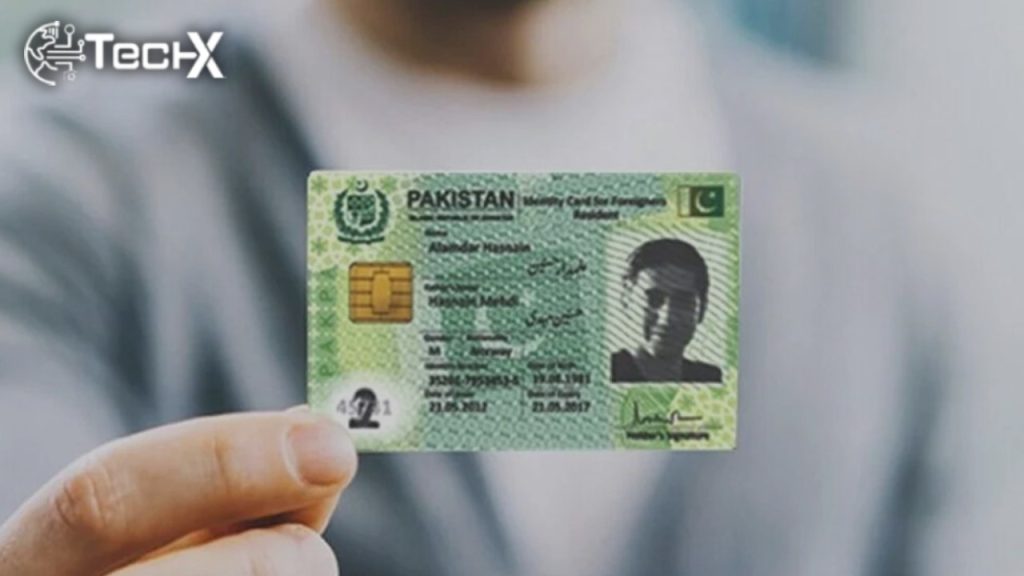
The Government of Pakistan has announced important changes to the country’s identity card system. Through S.R.O. 330(I)/2026 and S.R.O. 331(I)/2026, issued under Section 44 of the National Database and Registration Authority Ordinance, 2000, amendments have been made to the National Identity Card Rules, 2002, and Pakistan Origin Card Rules, 2002. These changes were published in the Gazette of Pakistan on 24 February 2026.
The goal of these updates is simple and clear: to modernize Pakistan’s identity documents, improve security, and make services easier for citizens. The reforms introduce new technologies, enhanced verification systems, and improved card formats for different groups of people.
QR Code Now Part of the Law
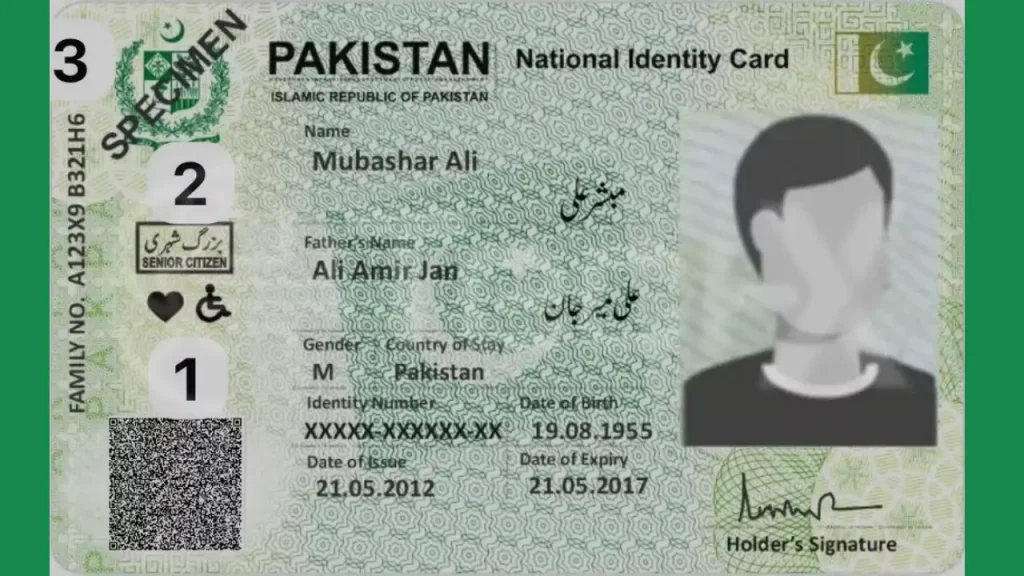
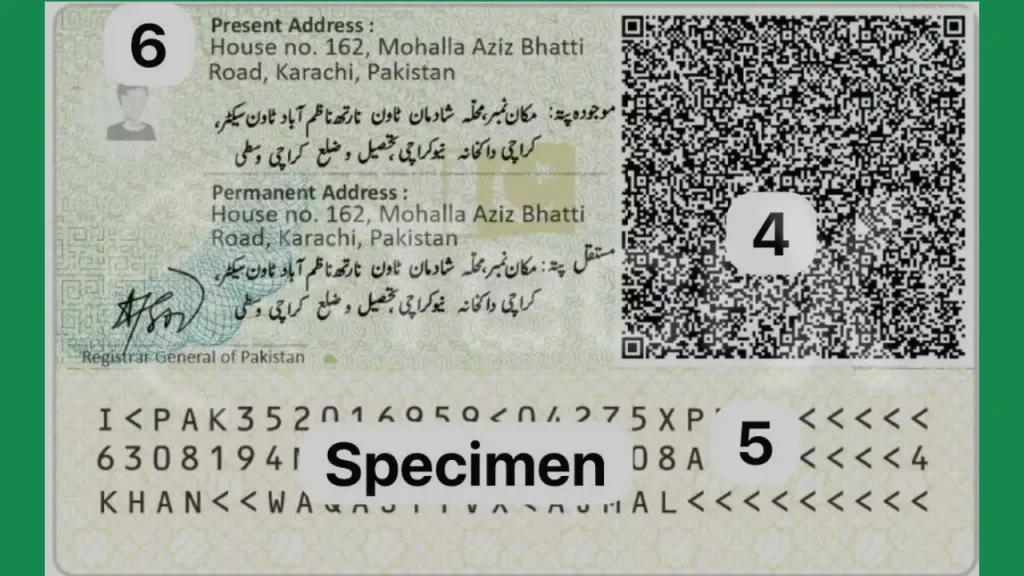
One of the biggest changes is the official introduction of QR-based verification. The rules now clearly define a Quick Response QR code as a secure, machine-readable, two-dimensional barcode. When scanned, it can instantly provide encoded identity information for verification.
This step provides strong legal support for both digital and offline verification. It also allows the Authority to use “QR code or any other technological feature” instead of relying only on microchips. In simple words, this means Pakistan’s identity system can keep up with future technology without needing new rule changes every time.
Another key benefit is that citizens will now carry one standard type of card instead of having two versions, one with a microchip and one without. This creates uniformity and reduces confusion.
Stronger Digital Verification and Security
The QR-based system supports Pakistan’s growing Digital ID ecosystem. It works with the National Data Exchange Layer, which securely connects different government databases.
With QR-enabled cards, identity checks can be done quickly at service counters or online. Front-end verification becomes faster, while back-end systems confirm authenticity through secure data exchanges. This improves speed, transparency, and consistency across departments.
It also reduces manual handling and lowers the risk of fraud and impersonation. If someone tries to misuse a card, the system can quickly detect problems.
Immediate Suspension of Services
The amendments also strengthen the effect of card suspension. If a CNIC or related card is suspended, all linked verification and authentication services will stop immediately.
This closes a major loophole. In the past, there was a risk that a suspended card might still work in some digital channels. Now, once suspended, the card cannot be used anywhere for verification or authentication. This greatly improves the system’s integrity.
Expanded Biometric Recognition
The updated rules clearly recognize fingerprints and iris scans as part of the biometric framework. This strengthens identity assurance by using multi-modal biometrics.
By combining fingerprints, iris data, and QR-based features, the system becomes more secure and reliable. It reflects a modern approach to identity management, aligned with global best practices.
Major Relief for Senior Citizens
A very welcome change is for citizens aged 60 years and above. The new rules allow the issuance of a special card with a distinct senior citizen logo and lifetime validity.
This means elderly citizens will no longer need to renew their cards repeatedly. It reduces hassle, saves time, and demonstrates the government’s service-oriented approach.
Standardized Identification for AJK Residents
The amendments also introduce uniform identification for residents of Azad Jammu and Kashmir. Cards will now include a clear inscription stating “Resident of Azad Jammu and Kashmir,” as specified by the Authority.
This ensures proper geographic identification and standardization nationwide.
Updated Card Formats Across Categories
The government has updated specimen formats for many types of identity documents. These include:
- Resident citizens
- Overseas Pakistanis
- Child registration certificates
- Persons with disabilities
- Organ donors
- Combined categories
- AJK residents
All updated formats now include visible QR codes and improved security layouts. This creates a modern and unified identity document architecture.
Key Features at a Glance
Below is a simple table to help understand the main changes:
| Feature | What It Means | Benefit for Citizens |
|---|---|---|
| QR Code Integration | A secure, machine-readable code is added to every card | Faster and safer identity checks |
| Single Card Format | One unified CNIC format for all citizens | No confusion between chip and non-chip cards |
| Biometric Expansion | Official inclusion of fingerprints and iris scans | Stronger protection against identity fraud |
| Immediate Suspension Rule | All services stop instantly if a card is suspended | Prevents misuse through digital systems |
| Senior Citizen Lifetime Card | Special logo and no expiry for citizens aged 60+ | No repeated renewals for elderly people |
| AJK Resident Inscription | Clear mention of “Resident of Azad Jammu and Kashmir.” | Standard geographic identification |
| Updated Smart Formats | Modern layout with enhanced security features | Improved security and uniform design |
A Step Toward Digital Governance
Overall, these amendments strengthen both the legal and technological foundations of Pakistan’s identity system. By enabling secure QR-based verification, reinforcing biometric assurance, and ensuring immediate suspension controls, the system becomes more reliable and future-ready.
The reforms also support integrated digital governance. Through structured interoperability using the National Data Exchange Layer, government departments can share verified data more efficiently.
In a world that is moving fast toward digital services, secure identity is the backbone of trust. These updates to CNICs demonstrate Pakistan’s commitment to building a modern, transparent, and citizen-friendly identity framework that meets today’s needs and addresses tomorrow’s challenges.