
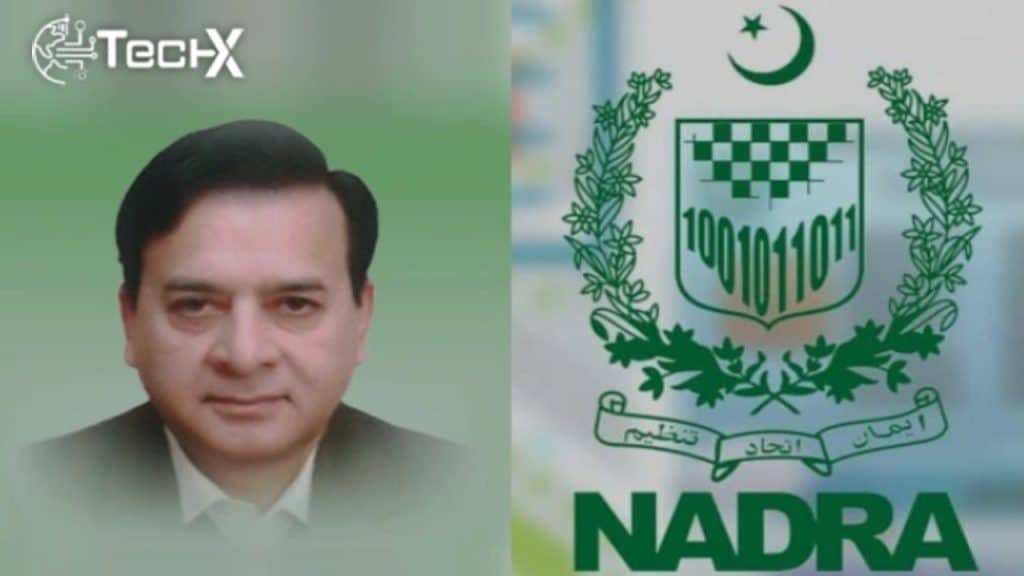
The National Database and Registration Authority (NADRA) has terminated Director General Zulfiqar Ahmed after an investigation by the Higher Education Commission (HEC) uncovered that his academic credentials were forged. The dismissal underscores NADRA’s commitment to upholding ethical standards and integrity within its ranks, following a detailed probe that exposed serious irregularities in Ahmed’s qualifications.
HEC Investigation Uncovers Forgery
The HEC investigation revealed multiple discrepancies in Zulfiqar Ahmed’s academic documents. Among these was an MBA degree purportedly issued by George Mason University. However, the degree was signed by an individual who was not the university’s president at the time. This discrepancy raised red flags and prompted further scrutiny into Ahmed’s credentials, leading to additional shocking revelations.
BBA Degree Mismatch Adds to the Scandal
Ahmed’s academic forgery extended beyond his MBA degree. The investigation found his Bachelor of Business Administration (BBA) degree was from an institution that had a different name at the time of the alleged issuance. Such inconsistencies underscored a deliberate attempt to fabricate qualifications, tarnishing the credibility of a senior official in a pivotal public organization like NADRA.
Islamabad High Court Upholds HEC Findings
The matter was escalated to the Islamabad High Court (IHC), which reviewed the HEC’s findings. The court upheld the conclusions, confirming that Zulfiqar Ahmed’s degrees were indeed fraudulent. This legal validation provided the necessary backing for NADRA’s disciplinary measures, reinforcing the importance of integrity in public service and accountability at all levels.
Also Read: NADRA to Set Up Automated Machines at Select Locations in Karachi
Chairman NADRA Takes Decisive Action
In light of the court’s verdict, NADRA’s chairman initiated swift disciplinary action, leading to Ahmed’s dismissal. The move reflects NADRA’s zero-tolerance policy for misconduct and its resolve to maintain trust in its operations. As the custodian of sensitive citizen data, NADRA’s leadership recognizes the critical need for ethical and competent personnel to ensure public confidence.
NADRA’s Efforts to Tackle Fraudulent CNICs
Separately, NADRA has been addressing challenges related to fraudulent Computerized National Identity Cards (CNICs). Over the past five years, the organization has blocked more than 71,000 CNICs after identifying irregularities. However, a significant portion—44,460 CNICs—was later unblocked following verification, highlighting the complexities involved in the authentication process.
Challenges in the CNIC Verification Process
The CNIC verification process faces numerous obstacles, including limited resources, outdated protocols, and systemic vulnerabilities. These challenges often result in delays and errors, which can disrupt the lives of genuine citizens. NADRA’s efforts to streamline this process are essential to enhance accuracy and reduce the risk of fraudulent activities.
Sindh Proposes Amendments to Citizenship Act
In response to these challenges, the Sindh government has called for amendments to the Citizenship Act. The proposed changes aim to address loopholes in the current verification system and improve the legal framework for identifying and resolving cases of fraudulent CNICs. This initiative reflects a broader commitment to safeguarding national security and ensuring the integrity of citizenship records.
Implications for NADRA and Public Trust
The dismissal of Zulfiqar Ahmed and the measures to combat fraudulent CNICs highlight the importance of institutional accountability. For NADRA, these developments serve as a wake-up call to reinforce internal controls and foster transparency. Restoring public trust requires consistent efforts to uphold ethical standards and implement robust verification mechanisms.
Conclusion
NADRA’s decision to dismiss Zulfiqar Ahmed following the HEC’s findings signals a firm stance against misconduct. Concurrently, the organization’s efforts to address CNIC verification challenges, coupled with Sindh’s proposed amendments, underline a collective resolve to safeguard national integrity. These actions, while necessary, also highlight the need for continuous vigilance and systemic improvements to strengthen public trust in key institutions.