
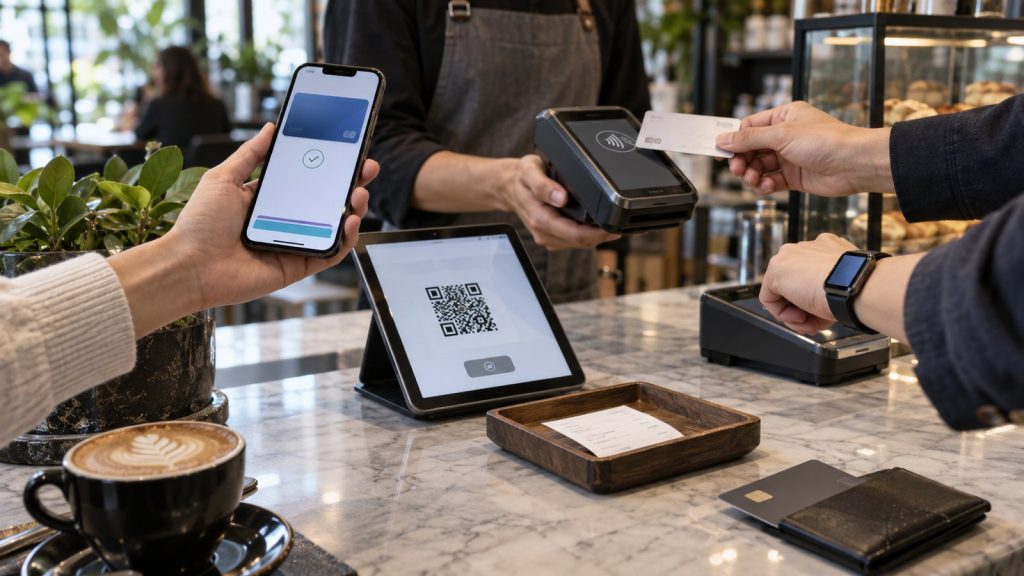
Digital payment technologies continue to redefine how regional retail networks process mobile top-ups and balance transfers across emerging tech markets. Smartphone utility tools allow small business owners to handle customer deposits, generate digital receipts, and track daily operational floats without expensive hardware terminals. Independent entrepreneurs gain access to centralized administrative dashboards that display real-time transaction records. Integrating these specialized software solutions, which projects like 1xBet agent apply, helps regional business networks speed up customer service while maintaining strict record-keeping accuracy.
Technological Improvements in Mobile Payment Processing
Recent developments in mobile operating systems have focused on optimizing network efficiency and local data encryption. Modern utility applications process financial balance transfers using lightweight data packages that run smoothly over standard cellular networks.
Key technical enhancements in mobile utility applications include:
- Reduced memory footprint allowing simultaneous background app operation
- Encrypted session keys that protect floating balances during local network transfer
- Automatic queueing of offline records until data signal reconnection
- Direct integration with low-power thermal receipt printers via Bluetooth
These technical updates prevent processing bottlenecks during high-volume trading hours at physical service counters. Field representatives benefit from accelerated response times when balancing multi-user cash ledgers.
Integration of Specialized Partner Utilities
Field operations require clear distinction between standard consumer payment tools and administrative partner software. Consumer wallets focus on individual peer-to-peer payments, while agency management tools of a MobCash 1xBet agent kind handle multi-user balance distribution and sub-agent credit management.
Field teams often deploy specialized mobile software to monitor regional balance allocations and process cash top-ups from mobile terminals. Updated applications prioritize battery optimization and background thread safety. Combining robust hardware security with dedicated balance management software minimizes processing errors across remote retail locations.
Operating systems now allocate dedicated memory channels for financial micro-transactions. This architecture ensures that sudden drops in cellular connectivity do not cause duplicate balance entries or incomplete transaction entries.
System Feature Comparison for Mobile Operations
Selecting appropriate management tools depends on operational volume and team structure. Modern retail networks evaluate mobile utilities based on security, speed, and reporting capabilities.
System Capability Breakdown:
- Consumer Mobile Wallet: Designed for personal peer-to-peer transfers, using single-factor password protection and basic monthly statement exports.
- Regional Agent Utility: Developed for multi-account balance distribution, using device-bound hardware tokens and real-time shift auditing.
- Central Management Portal: Built for enterprise network supervision, providing sub-agent balance controls and automated commission calculation.
- Terminal Printing Utility: Focused on physical proof of transaction, connecting via low-energy wireless protocols to print physical receipts.
Maintaining separate functional systems protects network integrity and prevents operational slowdowns on primary transaction servers.
Niche Integration with Secondary Digital Entertainment Services
Mobile financial infrastructure often operates alongside secondary digital entertainment services and gaming platforms. Regional operators use partner networks to provide local deposit and withdrawal services for users accessing digital entertainment portals.
Field representatives managing partner networks monitor transaction volume and daily float movements to maintain liquidity across local service points. Dedicated partner software allows managers to track commissions, review historical ledger entries, and manage sub-agent accounts directly from portable smartphones. Transparent reporting features help platform owners maintain continuous balance verification across all regional partners.
Furthermore, integrating structured financial reporting into mobile interfaces reduces manual audit hours at the close of daily business shifts. Local field teams maintain organized accounting records when digital ledger entries match physical float totals directly. Field operators can generate instant end-of-day summaries to audit local cash holdings against central server records.
Security Practices for Mobile Utility Devices
Operating administrative software on portable hardware requires consistent adherence to security protocols. Mobile hardware used in public commercial locations faces risks from physical loss and unauthorized network access.
Recommended device protection measures include:
- Mandating dual-factor authentication alongside biometric verification for app entry
- Setting automatic application lock parameters after brief periods of user inactivity
- Restricting administrative balance transfers to cellular data or verified private networks
- Performing weekly temporary file cleanup to maintain application indexing speed
Implementing these security procedures preserves system integrity and prevents unauthorized balance transfers across mobile partner networks. Maintaining encrypted network channels shields client account records from unauthorized external monitoring. Regular system maintenance prevents database index corruption and ensures stable application performance throughout demanding operational shifts.