
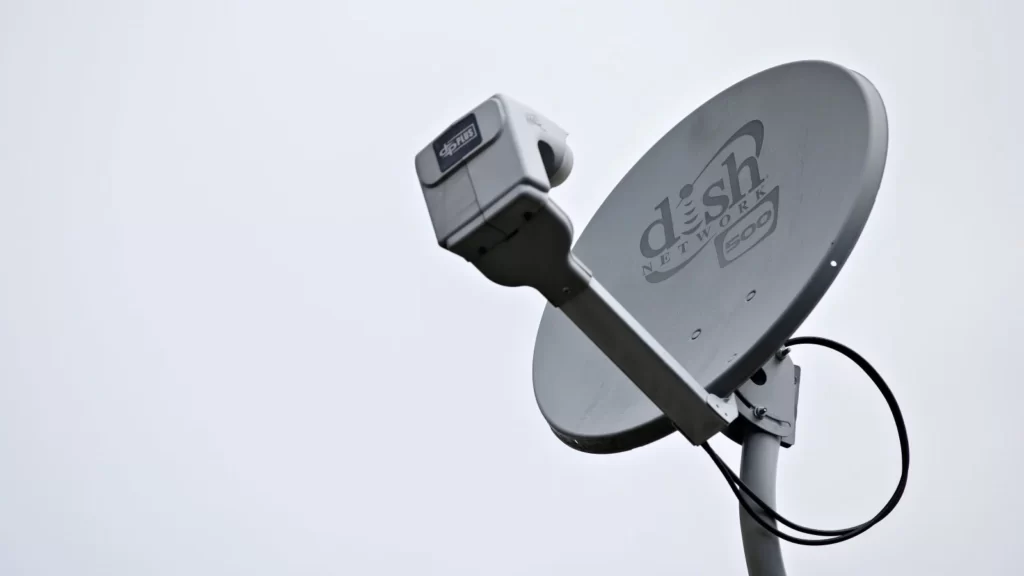
Dish Network is opposing SpaceX’s proposal to provide a Starlink service for mobile consumers and is requesting that the FCC deny the company’s request for the necessary radio spectrum.
Dish Network objected to SpaceX’s proposal to use the 2GHz radio frequency to power the mobile Starlink service in a one-page petition it delivered to the FCC on Thursday.
“Such an assessment need just be succinct. This is a pirated, unauthorized program. Without allowing it for filing, the Commission ought to reject it, according to Dish. The business also wants to take part in any FCC procedures related to the issue.
Dish presently has a license to use the radio frequency, but SpaceX said “there is minimal proof” that the firm is really utilizing it for mobile satellite service purposes back in July when it requested access to the 2GHz range.
Although Dish is permitted to set up a terrestrial network in this band, SpaceX said, “The long-promised network’s limited reach will leave significant areas of the country wholly unserved by 2GHz operations.”
In order to enable the mobile Starlink service to collect data from satellites orbiting the earth, Elon Musk’s business intends to use the 2GHz frequency. Delivering “next-gen” communication services to cellular dead zones is the objective.
Dish has informed the FCC that its own ground-based 5G cellular network would use the 2GHz frequency. The business asserts that by asking for access to the 2GHz wireless band, SpaceX is violating legal requirements.
“The so-called modification request also seeks authority to provide a brand new service – Mobile-Satellite Service, even as the Starlink system only has authority to provide Fixed Satellite Service,” Dish argues. “What is more, the new authority being requested would contravene almost all of the Commission’s long-settled and well-considered rules governing the 2GHz band.”
To read our blog on “Fake or Real? Starlink satellite train saw in Pakistan,” click here.